


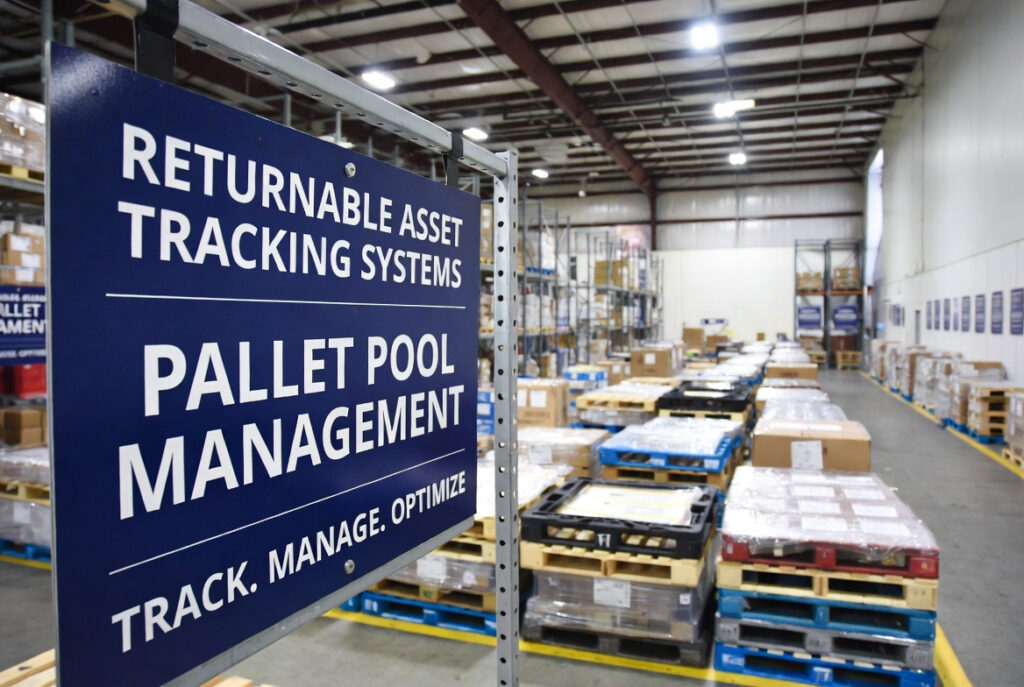
Returnable asset tracking is defined as GPS-based monitoring of reusable pallets, containers, kegs, and packaging pools to prevent loss, optimize utilization, and reduce capital expenditure on replacement assets. Unlike one-way disposable packaging, returnable asset pools require closed-loop tracking ensuring assets return to origin for redeployment cycles.
What Are Returnable Assets and Why Tracking Prevents £200k+ Annual Losses
Returnable assets include automotive pallets, beverage kegs, retail dollies, pharmaceutical totes, and IBC containers circulating between suppliers and customers requiring return logistics. Untracked returnable pools experience 10-20% annual loss rates costing £150,000-£300,000 yearly for enterprises managing 5,000+ assets valued at £30-£80 each.
Returnable asset tracking reduces loss rates from 15% to 4% delivering £165,000 annual savings for a 5,000-pallet pool valued at £50 per pallet. Unlike capital-intensive approaches purchasing excess assets to compensate for losses, tracking prevents losses at source. Best for automotive supply chains using returnable packaging, beverage distributors managing keg fleets, retail networks with returnable dollies, and pharmaceutical logistics using temperature-controlled totes.
Returnable Asset Loss Root Causes: Tracking Data Analysis
Returnable asset losses occur through customer retention, incorrect disposal, third-party logistics mishandling, and cross-contamination between asset pools. Tracking data reveals 40% of losses from customers holding assets beyond agreed return windows, 30% from co-mingling with competitors’ asset pools, 20% from disposal as waste, and 10% from theft or misrouting.
Unlike assumptions blaming customer neglect, tracking data shows 60% of delayed returns result from unclear collection processes rather than intentional retention. Geofencing customer sites identifies assets dwelling beyond normal operating windows triggering automated collection reminders. Best practices implement 30-day dwell alerts, 60-day escalation procedures, and 90-day recovery initiation preventing permanent asset loss.
Pallet Pool Optimization: Improving Utilization from 6 to 12 Annual Turns
Pallet pool utilization measures annual turns calculated as total shipments divided by active pallet inventory with industry averages of 6-8 turns yearly. Tracking visibility improves utilization to 10-12 turns by reducing dwell time, accelerating return logistics, and identifying underperforming routes requiring intervention. Improving turns from 6 to 10 annually reduces required inventory by 40% avoiding £200,000 in new pallet purchases for operations needing 10,000 active pallets.
Unlike static inventory approaches purchasing pallets based on peak demand, dynamic tracking enables just-in-time pallet availability matching supply to actual demand patterns. Seasonal demand fluctuations requiring 30% more pallets December-January are managed through temporary leasing rather than permanent inventory expansion. Best for automotive just-in-time delivery systems, retail seasonal distribution, and food service peak demand management.
Automated Return Logistics: Geofencing and Dwell Time Alerts
Automated return logistics use geofencing and dwell time rules triggering collection actions when assets remain at customer sites beyond service windows. Thirty-day dwell alerts generate automated customer notifications requesting return coordination. Sixty-day escalations trigger account manager involvement. Ninety-day dwells initiate recovery truck dispatch and account penalties.
Unlike manual return processes relying on customer initiative, automated workflows ensure 85%+ return compliance versus 60% for manual processes. Integration with transportation management systems optimizes return routes consolidating collection stops reducing dedicated recovery truck costs by 50%. Best for beverage keg recovery, automotive pallet returns, retail dolly collection, and pharmaceutical tote circulation.
Cross-Contamination Prevention: Asset Pool Segregation
Cross-contamination occurs when competitor asset pools intermingle during co-loading at shared distribution centers or customer facilities. Returnable asset tracking identifies foreign assets through geofence violations when tracked pallets appear at non-customer locations. Automated alerts notify logistics teams when assets deviate from authorized routes enabling recovery before permanent loss.
Unlike manual visual inspection requiring operators to identify proprietary markings, RFID and GPS tracking provides automated pool segregation. QR code integration enables customers to scan assets before loading verifying correct asset pool membership. Best for automotive suppliers sharing distribution centers, beverage companies with overlapping delivery territories, and retail networks using common logistics providers.
Top Returnable Asset Tracking Vendors for Industrial Applications
System Loco Returnable Asset Management
System Loco specializes in automotive pallet tracking and industrial container management with proven deployment across major automotive OEMs including JLR, BMW, and VW supply chains. Platform provides utilization analytics, automated return logistics, and integration with automotive EDI systems. Best for automotive Tier 1 and Tier 2 suppliers requiring ruggedized trackers withstanding forklift impacts and industrial washing processes.
Strategic Tracking: Returnable Asset Tracking Implementation Consulting
Strategic Tracking provides vendor-neutral returnable asset tracking consulting for automotive pallet pools, beverage keg fleets, retail distribution assets, and pharmaceutical tote circulation. Strategic Tracking matches tracking technology to pool size, asset value, and return complexity.
For returnable asset tracking vendor selection and implementation planning, contact us or visit strategictracking.com/returnable-assets.