
Single-use shipment visibility
Disposable GPS Trackers and Package Tracking Devices
Compare single-use GPS trackers, smart tracking labels and connected shipment monitors for packages, pallets and freight. Track location, temperature, shock, light and delivery events without having to recover reusable hardware.
- Independent technology guidance
- Multiple solution providers
- Global shipment use cases
- Evaluation and integration support

Shipment
ST-2847
Status
In transit
Last report
14 minutes ago
Temperature
5.1 C
Next milestone
Destination hub
Illustrative shipment data.
What Is a Disposable GPS Tracker?
A disposable GPS tracker is a battery-powered tracking device intended for a single shipment or a limited operating period. It travels with a package, pallet or consignment and reports location to a cloud platform. Depending on the product, it may also monitor temperature, humidity, shock, tilt, light exposure or tampering.
"Disposable GPS tracker" is commonly used as a broad buying term. Not every thin tracking label relies on GPS alone. Products may combine GNSS, cellular positioning, Wi-Fi location or Bluetooth crowd-location networks. The correct choice depends on the route, required update frequency, indoor coverage, battery duration, sensor requirements and unit economics.
The objective is not the maximum possible number of map updates. It is dependable information at the moments when your team can make a better shipment decision.
Start with the shipment
What Do You Need to Track?
The best device depends on the item, route, duration, transport mode, risk and action required.
Packages and Parcels
Thin, discreet trackers for courier, ecommerce, electronics, valuables and direct-to-customer shipments.
Discuss these shipmentsPallets and Freight
Single-use devices for one-way palletised, road, air, ocean and multimodal consignments.
Discuss these shipmentsTemperature-Sensitive Shipments
Real-time location and condition monitoring for pharmaceuticals, clinical materials, food and other sensitive goods.
Discuss these shipmentsCellular Smart Labels
Adhesive cellular or connected labels designed for high-volume deployment with minimal operational handling.
Explore smart tracking labelsAir-Cargo Shipments
Devices whose battery, transmission behaviour, documentation and operating modes can be assessed for the intended airline and route.
Discuss these shipmentsPharmaceutical Shipments
Single-use tracking and condition-monitoring options designed around controlled distribution, excursion response and data requirements.
Discuss these shipments
The blind spots
A Courier Scan Shows a Process Event - not Always the Shipment's Actual Condition or Location
Carrier milestones are useful, but they can leave important gaps between collection, hubs, borders, handovers and delivery. A tracker travelling with the shipment can provide an independent data stream for selected journeys.
Long gaps between carrier scans
Teams have limited information between scheduled logistics events.
Unexpected route or location uncertainty
A shipment appears delayed, but its latest physical location is unclear.
Condition excursions discovered at delivery
Temperature, shock or opening events may be found only after intervention is no longer possible.
Multiple carriers fragment visibility
Different portals and reference numbers make end-to-end monitoring difficult.
Reusable devices create return logistics
Recovery, charging, cleaning and reprovisioning can undermine the economics of one-way shipments.
Customer service lacks independent evidence
Teams spend time chasing updates without a separate shipment data source.
Tracker data complements carrier, TMS and operational records. It does not automatically prove legal custody, product integrity, delivery, regulatory compliance or the cause of a delay.

Compare the options
Compare Single-Use Tracking Technologies
Different products described as GPS trackers, tags, stickers or smart labels can use very different methods. Compare the underlying architecture before comparing headline prices.
Cellular GPS/GNSS tracker
- How location is obtained
- Satellite positioning with cellular transmission
- Best suited to
- Freight, pallets and higher-value shipments
- Important limitation
- GNSS may be limited inside buildings, containers or dense cargo
Cellular smart label
- How location is obtained
- GNSS, cellular and sometimes Wi-Fi-assisted positioning
- Best suited to
- Packages and higher-volume one-way shipments
- Important limitation
- Coverage, accuracy and reporting patterns vary by product
BLE tracking label
- How location is obtained
- Nearby gateways, participating phones or crowd-location networks
- Best suited to
- Parcels and lower-cost visibility use cases
- Important limitation
- Updates depend on nearby compatible infrastructure or network participation
Real-time condition monitor
- How location is obtained
- Cellular location combined with environmental sensors
- Best suited to
- Pharmaceutical, clinical and cold-chain shipments
- Important limitation
- Typically costs more than location-only tracking
USB/PDF data logger
- How location is obtained
- Records sensor data for retrieval at destination
- Best suited to
- Compliance records where live intervention is unnecessary
- Important limitation
- No live location or in-transit alerting
"5G," "GPS," "real time" and "smart label" should not be treated as interchangeable claims. Confirm the network, location method, reporting behaviour and sensor specification of the actual product.
From activation to action
How Single-Use Shipment Tracking Works
- 01
Activate and associate
The device is switched on or triggered and associated with the package, pallet, order or shipment reference.
- 02
Determine or estimate location
The tracker uses GNSS, cellular, Wi-Fi observations, Bluetooth networks or a combination.
- 03
Record relevant conditions
Depending on the device, sensors may capture temperature, humidity, shock, tilt or light exposure.
- 04
Transmit when connectivity is available
Data is sent to a cloud service according to the configured interval, movement or event rules.
- 05
Turn data into operational action
Dashboards, alerts, shareable shipment views, APIs and webhooks make the information usable.
"Real time" rarely means continuous second-by-second reporting throughout every environment. Update frequency depends on device configuration, battery, network availability, aircraft behaviour, sensor events and the location method used.
Location and condition
Capabilities Available in Disposable Shipment Trackers
Location and journey
- Scheduled or movement-based location reports
- Geofence arrival and departure events
- Journey history
- Dwell and delay indicators
- Shareable shipment links
- Proof-of-arrival support
Condition
- Temperature monitoring
- Humidity monitoring
- Shock and impact detection
- Tilt or orientation events
- Light-based opening detection
- Configurable thresholds
Operations
- Cut, pull-tab, button or app-based activation
- Shipment-to-device association
- Configurable reporting intervals
- Multi-user dashboards
- Alert escalation
- Airline-aware modes where supported
Data and integration
- APIs and webhooks
- TMS, ERP or visibility-platform integration
- Exportable reports
- Customer-facing shipment views
- Multi-provider data consolidation
- Audit history
Capabilities vary considerably between devices. Aircraft use, sensor accuracy, calibration, battery duration, reporting frequency, geographic coverage and data availability must be verified for the intended product and route.
Use cases
When Does a Disposable Shipment Tracker Make Sense?
Open-loop and one-way supply chains
Where recovering a reusable tracker is impractical or uneconomic.
High-value packages and electronics
Where independent location evidence can support exception management.
International pallet and freight movements
Where consignments cross carriers, borders and logistics networks.
Pharmaceutical and clinical-trial logistics
Where location and condition events may support timely investigation.
Perishable and temperature-sensitive goods
Where live excursion awareness may be more useful than destination-only data.
Logistics pilots and temporary lanes
Where permanent installed infrastructure is not justified.
Customer-direct shipments
Where return logistics would create friction for the recipient.
Cargo loss and opening investigations
Where movement, location or light events can add evidence.
Another Approach May Be Better When...
- The asset circulates in a closed loop and the tracker can be recovered reliably.
- Continuous high-frequency tracking is required for months or years.
- The requirement is only a courier delivery-status lookup.
- Destination-only temperature history is sufficient.
- Suitable network coverage is unavailable and delayed reporting has no value.
- The unit economics do not support a tracker on every shipment.
- No team or workflow exists to act on alerts and exceptions.
Strategic Tracking can compare disposable, reusable and data-logger approaches rather than assuming that single-use hardware is always the right answer.
Design around the route
Battery Life and Update Frequency Must Be Evaluated Together
A thin tracker has a finite energy budget. More frequent satellite fixes, repeated communication attempts, poor signal conditions, low temperatures, sensor activity and long journeys can reduce operating life. A device designed to report key milestones may operate for longer than one configured for frequent in-transit updates.
- More frequent updatesLonger operating duration
- Greater location precisionLower energy use
- More sensors and alertsLower unit cost
- Wider coverageSimpler connectivity
Questions to verify before selection
- How long is the longest realistic shipment?
- What is the required moving and stationary update frequency?
- Must the device report from inside packaging, a pallet load or a container?
- Which countries and mobile networks are involved?
- Will the shipment travel by air?
- Can data be stored and forwarded after a coverage gap?
- What minimum battery reserve is required at destination?

Important route constraints
Can a Disposable GPS Tracker Travel by Air or Work Inside a Container?
Some shipment trackers are designed with airline-aware operating behaviour and supporting documentation, but acceptance is not automatic. It may depend on the exact device, battery, radio behaviour, airline, freight forwarder, origin, destination and route. Requirements should be checked before deployment.
GNSS reception can also be reduced inside aircraft holds, metal containers, warehouses and dense loads. A device may rely on stored data, cellular or Wi-Fi-assisted positioning, or report once conditions improve. Test the actual mounting position, packaging and journey rather than assuming open-sky performance.

Total cost per monitored shipment
How Much Does a Disposable GPS Tracker Cost?
Pricing can range from lower-cost Bluetooth labels to more sophisticated cellular GPS and real-time condition-monitoring devices. The quoted unit price may cover hardware only, or it may bundle connectivity and platform access for a defined tracking period.
The lowest unit price is not always the lowest cost per successfully monitored shipment. Compare activation effort, connectivity, software fees, operating duration, reporting frequency, expected coverage, sensor performance, integration and the percentage of journeys that produce useful data.
Main cost drivers
- Tracking and communications technology
- Journey duration and update frequency
- Sensor package and accuracy requirements
- Countries, networks and transport modes
- Order volume and deployment pattern
- Platform, user and data-retention fees
- API or integration requirements
- Support, onboarding and evaluation units
- Air-transport documentation or route requirements
Questions to ask suppliers
- Is connectivity included in the unit price?
- How long does platform access remain active?
- Are there activation, user, alert or API fees?
- What happens if the journey exceeds the expected duration?
- Is the device reusable within its active period?
- Are minimum order quantities or annual commitments required?
- What support is included during an evaluation?
Choose the operating model
Disposable or Reusable Shipment Trackers?
Upfront hardware cost
- Single-use / limited-use tracker
- Usually lower per device
- Reusable tracker
- Usually higher per device
Return logistics
- Single-use / limited-use tracker
- Normally unnecessary
- Reusable tracker
- Recovery process required
Charging and reprovisioning
- Single-use / limited-use tracker
- Minimal or none
- Reusable tracker
- Required between journeys
Loss exposure
- Single-use / limited-use tracker
- Limited to one device value
- Reusable tracker
- Can be significant
High-volume one-way deployment
- Single-use / limited-use tracker
- Strong fit
- Reusable tracker
- Operationally difficult without returns
Long-duration repeated use
- Single-use / limited-use tracker
- May be less economic
- Reusable tracker
- Strong fit when recovery is reliable
Sustainability
- Single-use / limited-use tracker
- Depends on design, recycling and shipment model
- Reusable tracker
- Depends on reuse rate, recovery distance and lifespan
Best use
- Single-use / limited-use tracker
- Open-loop, customer-direct and one-way shipments
- Reusable tracker
- Closed loops and controlled asset networks
Disposable is not automatically less sustainable, and reusable is not automatically cheaper. The comparison should include recovery transport, loss rate, charging, refurbishment, battery chemistry, recycling, realistic reuse cycles and staff time.
For reusable assets that circulate in closed loops, see our industrial asset tracking hub and our guidance on returnable packaging and pallet tracking.
Connect the data
Use Tracker Data in the Systems Your Team Already Works With
The supplier platform may be the main shipment interface or a source of events for an existing visibility, transport, ERP or customer-service system. Integration requirements should be defined before product selection, because available APIs, webhooks, identifiers and data-retention policies vary.
Possible destinations
- Transport Management System (TMS)
- ERP or order-management platform
- Supply-chain visibility platform
- Warehouse Management System (WMS)
- Customer-service or case-management tools
- Control tower and alerting workflows
- Customer-facing tracking portals
- Data warehouse and business-intelligence tools
Where a shipper uses more than one tracker provider, a device-independent visibility layer can reduce the need for separate portals and give teams a more consistent view of shipment events.
Tracker observations do not automatically replace the operational system of record for the booking, product, carrier, custody or delivery status.
From requirement to pilot
How Strategic Tracking Helps You Select a Tracker
- 01
Define the shipment and risk
Establish what is being shipped, route, mode, duration, value, loss pattern and condition requirements.
- 02
Compare suitable technologies
Assess location method, network, sensors, form factor, battery, software, integration and commercial model.
- 03
Obtain quotations or evaluation units
Shortlist relevant providers and compare like-for-like assumptions.
- 04
Pilot and review performance
Test representative journeys, packaging, routes and operating workflows before scale-up.
Qualification checklist
- Origin, destination and transport mode
- Package, parcel, pallet or freight consignment
- Annual shipment volume
- Typical and maximum journey duration
- Required location-update frequency
- Required sensors and thresholds
- Countries and network environments
- Air-freight requirements
- Packaging and tracker placement
- Platform, alert and API requirements
- Target unit economics
Test the real journey
Prove Coverage, Data Quality and Operational Value Before Scaling
A useful evaluation tests the difficult parts of the intended operation - not only whether a device appears on a map beside an office window. Include representative packaging, mounting positions, carrier handovers, hubs, aircraft legs, border movements, warehouses and weak-coverage locations.
- Step 1
Define the operational decision and owner.
- Step 2
Select representative routes, products and packaging.
- Step 3
Agree expected updates, alerts and sensor thresholds.
- Step 4
Confirm activation, labelling and shipment-association workflow.
- Step 5
Run real journeys through normal logistics partners.
- Step 6
Review missing reports, false alerts and coverage gaps.
- Step 7
Compare observed benefit with full deployment cost.
Success measures
- Percentage of expected reports received
- Usefulness of location at critical milestones
- Battery remaining at destination
- Sensor accuracy and excursion evidence
- Activation and association error rate
- Alert timeliness and action rate
- Portal or integration usability
- Cost per successfully monitored shipment
Independent guidance
Select the Solution Around the Shipment - not a Preferred Device
Strategic Tracking helps organisations define requirements, compare suitable technologies and move from evaluation to a commercially credible deployment. Recommendations can consider cellular GPS trackers, smart tracking labels, Bluetooth labels, real-time condition monitors, reusable devices, data loggers and multi-provider software.
Strategic Tracking is an independent specialist. We recommend solutions according to the shipment, operating environment, required data, deployment constraints and commercial case. Where a reusable tracker, data logger or different monitoring approach is a better fit, we will say so.
How we support a selection
- Shipment and route assessment
- Technology and supplier comparison
- Hardware and form-factor selection
- Battery and reporting design
- Sensor and alert requirements
- Evaluation scope and success criteria
- Platform and integration planning
- Commercial and rollout evaluation
Explore by requirement
More Guidance for Specific Shipment-Tracking Decisions
Cellular Smart Labels and GPS Tracking Stickers
Compare thin connected labels for package and high-volume shipment workflows.
View smart label guidanceDisposable GPS Freight Tracking
Evaluate single-use devices for pallets, multimodal freight and one-way consignments.
GPS Trackers for Packages and Parcels
Compare discreet devices for courier, ecommerce and high-value packages.
Tracker Cost and Pricing
Understand hardware, connectivity, platform and volume-pricing models.
Real-Time Temperature Trackers
Distinguish live condition monitors from destination-only loggers.
Air-Cargo GPS Trackers
Assess operating modes, batteries, documentation and route acceptance.
Disposable Pallet Trackers
Monitor one-way pallets, arrival, dwell and handovers.
Disposable vs Reusable Trackers
Compare total cost, returns, charging, loss and sustainability.
Pharmaceutical Shipment Trackers
Evaluate location, condition, calibration and controlled-distribution requirements.
Disposable Shipment Tracker Questions
Can you put a GPS tracker inside a package?
Do disposable GPS trackers provide live tracking?
How long does a single-use GPS tracker last?
Do GPS trackers work inside shipping containers?
Can a disposable tracker travel by air?
What is the difference between a GPS tracker and a BLE tracking label?
Can disposable trackers monitor temperature?
Do disposable GPS trackers require a monthly subscription?
How much does a disposable GPS tracker cost?
Can tracker data integrate with a TMS or visibility platform?
What happens to the tracker after delivery?
Are disposable shipment trackers recyclable?
Is a tracking sticker the same as a GPS tracker?
Can a tracker prove that a shipment was delivered in good condition?
Find the Right Single-Use Tracker for Your Shipments
Tell us what you are shipping, where it travels and what information your team needs. Strategic Tracking will help identify relevant technologies and providers without requiring you to approach every manufacturer separately.
Independent assessment | Relevant supplier options | No obligation
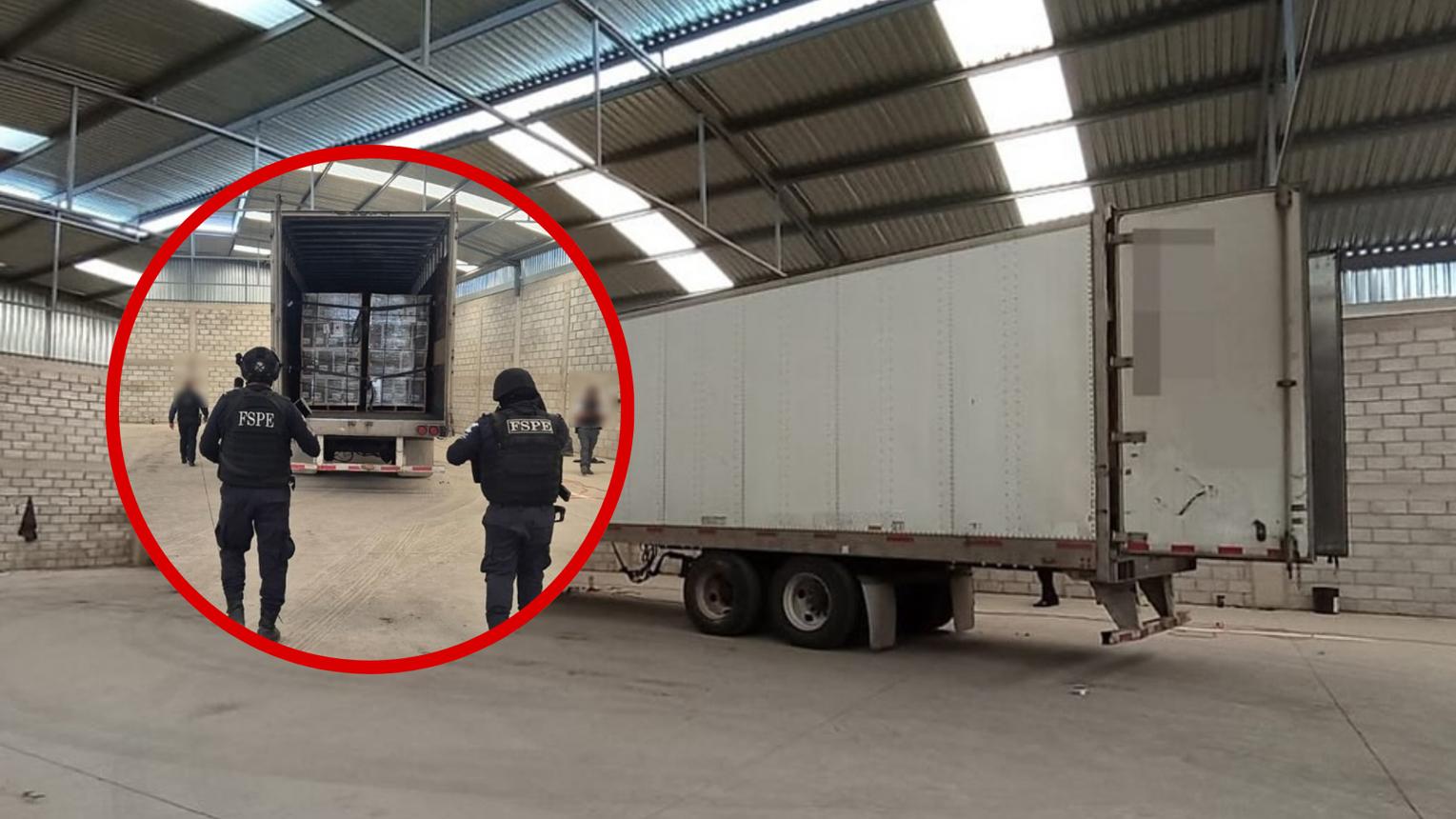
70,000 Pints Stolen: Tracking High-Risk Drinks Cargo
Drinks are a major global cargo-theft target. Discover how independent cargo tracking, smart labels, geofences and layered visibility can reduce risk.
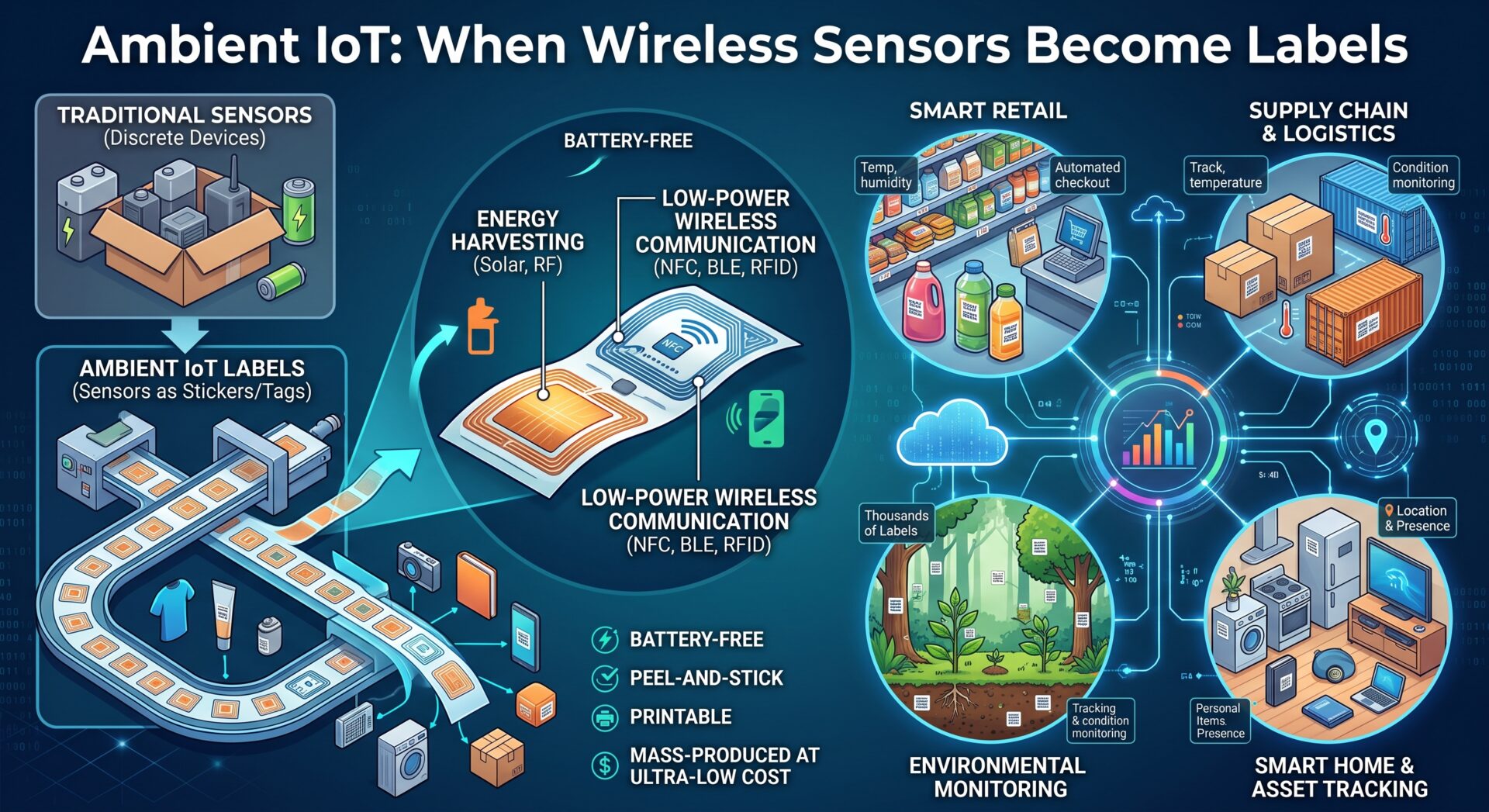
Tracking Tuesday: Ambient IoT: When Wireless Sensors Become Labels
Wiliot and CISC can test battery-free IoT Pixels at high volume. Discover why manufacturing economics may unlock ambient IoT supply chains.

Satellite-Enabled Bluetooth Is Impressive—but Industrial Asset Tracking Needs More Than Connectivity
Hubble Network is extending Bluetooth signals to satellites, but industrial asset tracking requires more than a radio link. Explore the practical advantages of Sensolus for reusable, non-powered assets.
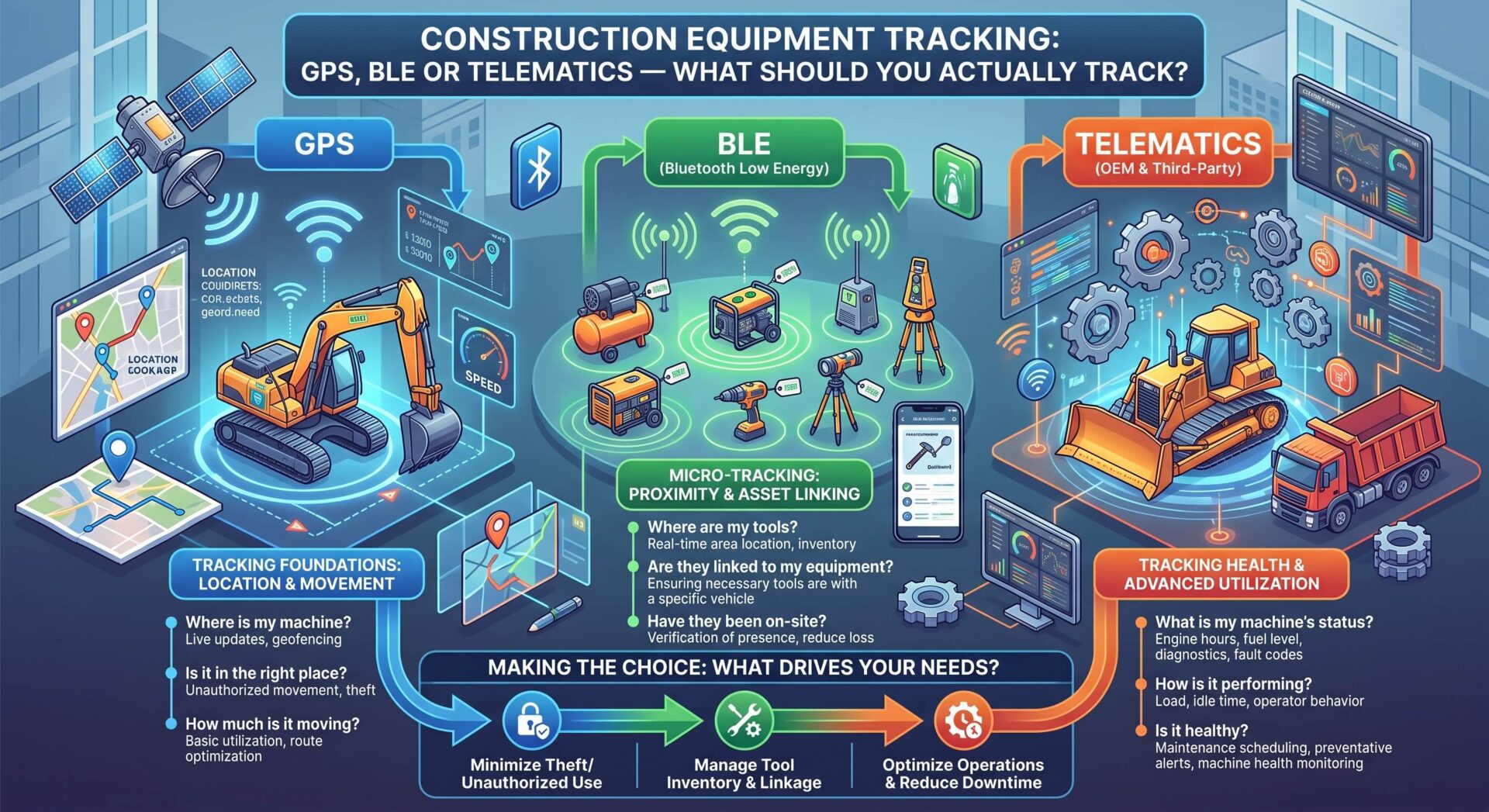
Construction Equipment Tracking: GPS, BLE or Telematics — What Should You Actually Track?
Which construction assets should you track? Compare GPS, cellular, BLE and existing telematics for plant, attachments, tools and rental equipment.