
Retail & Ecommerce Logistics
Shipment Tracking for Retail and Ecommerce Logistics
Improve visibility across inbound inventory, distribution, ecommerce fulfilment, high-value deliveries and returns. Strategic Tracking helps retailers, brands and logistics teams compare independent tracking devices, smart labels and connected platforms for the item, route and operational response required.
- Independent technology selection
- Supplier comparison
- Pilot and integration support

Illustrative tracking data
- Shipment activatedDevice assigned to an order or carton
- Hub dwell exceptionTime at location exceeds the expected window
- Arrival geofenceEntry into a receiving-site boundary
- Review requiredEvent routed to a named operational owner
Inventory visibility
Understand where priority stock is across suppliers, hubs, stores and customer deliveries.
Exception detection
Identify unexpected dwell, route, handover or communication events for operational review.
High-value protection
Add an independent visibility layer to selected theft-sensitive or business-critical shipments.
Returns intelligence
Improve evidence and journey visibility for reverse-logistics flows that are often harder to control.
One Retail Order Can Cross Several Visibility Gaps
Retail logistics extends well beyond the customer's delivery-status page. Inventory may travel from a manufacturer to a consolidation hub, across borders to a distribution centre, between warehouses and stores, through parcel networks and back again as a return. Carrier events remain valuable, but selected shipments may need independent device data between scans or across multiple logistics providers.
The right approach depends on the value and size of the item, packaging, route, transport modes, reporting interval, coverage, operational response and whether the tracker can be recovered.
Where Independent Tracking Can Add Value
Inbound inventory and international sourcing
Track selected cartons, pallets or containers moving from manufacturers and suppliers to consolidation points, warehouses and distribution centres. Independent tracking may help teams investigate delay, dwell or missed handovers across multimodal routes.
Useful events: Activation, departure, border or hub movement, extended dwell, arrival.
Distribution-centre and store replenishment
Add visibility to priority stock transfers between warehouses, regional hubs and stores, especially where late or misrouted inventory could affect availability, launches or promotions.
Useful events: Dispatch, route progress, unexpected stop, depot arrival, store geofence.
Ecommerce fulfilment and parcels
Use compact tracking devices or labels for selected customer orders that justify visibility beyond standard carrier scans, including electronics, collectables, limited releases and other high-value products.
Useful events: Fulfilment activation, carrier handover, hub dwell, destination arrival, communication loss.
High-value and theft-sensitive deliveries
Support security and loss-prevention workflows with independent location and event data selected for the shipment. Tracking is one layer alongside packaging, carrier selection, access control, insurance and a documented response plan.
Returns and reverse logistics
Improve visibility when products move from customers, stores or collection points back to repair, refurbishment, resale or distribution facilities. Tracking may help distinguish delay, unexpected routing and incomplete handovers.
Useful events: Return activation, collection, hub movement, dwell, receiving-site arrival.
Launches, promotions and business-critical stock
Monitor selected inventory for store openings, product launches, campaigns and other time-critical events where late arrival has commercial consequences beyond the value of the goods alone.
Useful events: Dispatch confirmation, planned milestone, delay exception, final arrival.
Carrier Events, Device Data and Condition Sensors Are Different
Carrier and fulfilment events
Order, pick, pack, scan, handover and proof-of-delivery events from ecommerce, warehouse and carrier systems. These are essential operational records but depend on each participant recording the event.
Independent device location
A tracker or connected label may use GNSS/GPS, cellular location, Wi-Fi observations, BLE networks or a combination. Performance varies by device, packaging and environment, and not every update represents precise GPS coordinates.
Condition and package events
Suitable sensors may record temperature, shock, orientation, humidity or light. These readings require the correct sensor, thresholds and placement. A sensor event supports review; it does not by itself prove damage, opening or theft.
The strongest operating model often combines these sources in one workflow rather than treating any single feed as complete.
Compare Tracking Approaches for Retail Logistics
| Approach | Best suited to | Strengths | Questions and limitations |
|---|---|---|---|
| Cellular smart labels | Cartons, parcels and one-way shipments | Thin form factor; simple activation; connected updates where networks are available | Battery life, reporting interval, roaming, placement, reuse model and airline acceptance vary |
| Disposable cellular/GNSS trackers | Priority parcels, cartons, pallets and open-loop deliveries | Independent device visibility without arranging recovery | Unit economics, sustainability, enclosure effects, coverage and disposal route must be assessed |
| Reusable cellular/GNSS trackers | Closed-loop movements, roll cages, totes and repeat lanes | Potentially richer telemetry and lower cost per repeated journey | Requires recovery, charging, inventory control and reprovisioning |
| BLE tags and gateway/crowd networks | Stores, warehouses, returnable items and supported ecosystems | Compact devices and potentially long battery life | Visibility depends on compatible gateways, phones or receiving infrastructure; not continuous GPS |
| Carrier/API event integration | Broad order and shipment population | Uses existing operational events and can scale across carriers | Data quality, event definitions and latency differ; it is not independent tracker data |
| Multi-sensor condition monitors | Fragile, sensitive or environmentally controlled products | Adds temperature, shock, light, humidity or tilt where supported | Sensor selection, placement, calibration and event interpretation are essential |
A low-cost label is not automatically the best answer for every parcel, and a reusable tracker is not economical if it cannot be recovered. Strategic Tracking compares the complete workflow: device, connectivity, platform, activation, data access, response and total operating cost.
Tracking Creates Value When an Event Has an Owner
- 01
Capture
A carrier, platform or device records a location or sensor event.
- 02
Contextualise
The platform compares it with the shipment, destination, expected timing and available data.
- 03
Triage
A named team determines whether the event is expected, uncertain or material.
- 04
Respond
Operations may contact a logistics provider, receiving site, customer-service team, insurer or security function under approved procedures.
- 05
Learn
Completed journeys are reviewed for recurring dwell, handover, route, coverage or process issues.
Avoid automatic accusations or customer-facing theft conclusions based on a single coordinate, light event or loss of communication. Events should be corroborated and handled under the organisation's security, privacy and escalation procedures.
High-Value, Diversion and Returns Risk
High-value goods
Electronics, luxury goods, collectables, medical equipment and scarce components may justify independent tracking and a more tightly defined response workflow.
Product diversion
Unexpected movement or destination evidence may support a wider investigation into unauthorised distribution or parallel-market activity. Tracking data should be assessed with commercial, contractual and other evidence; it does not establish intent on its own.
Returns and fraud risk
Reverse logistics can involve more fragmented handovers and weaker visibility than outbound fulfilment. Tracking selected returns may support investigation, but it should complement identity, receipt, inspection and refund controls.
Define the Requirement Before Comparing Devices
Shipment and item
- Item type, value, dimensions and packaging
- Parcel, carton, pallet, roll cage, tote or container
- Shipment volume and proportion requiring independent tracking
- Single-use, reusable or recoverable workflow
Route and environment
- Origin, destination and countries crossed
- Warehouse, store, parcel, road, air, ocean or multimodal legs
- Expected journey duration and maximum dwell
- Indoor, enclosed or metal-shielded environments
Events and response
- Required milestone and reporting frequency
- Geofences and allowed routing assumptions
- Delay, dwell, communication-loss or sensor thresholds
- Alert owners, operating hours and escalation procedures
- Evidence-retention and access requirements
Technology and commercial model
- Connectivity and roaming coverage
- Battery and activation method
- Dashboard, sharing link, API and user permissions
- Airline or carrier acceptance where applicable
- Device, connectivity, platform, retrieval and support costs
Provide these details in the Quick Quotation request so suitable suppliers can respond to the real operational requirement rather than a generic request for "a GPS tracker."
Test the Complete Workflow, Not Only the Device
A useful pilot should include representative packaging, routes, handovers, buildings and users. Test activation, attachment, update frequency, battery behaviour, indoor and enclosed performance, platform usability, alert ownership and data export. Include expected weak-coverage periods so store-and-forward behaviour can be understood.
Pilot scorecard
- Successful activation and assignment
- Useful location availability at critical milestones
- False or ambiguous exception rate
- Reporting delay after network recovery
- Battery performance on representative journeys
- User response and escalation completion
- API or data-export quality
- Device recovery or disposal performance
- Cost per monitored shipment and per useful intervention
Integration and platform data
Device data becomes more operationally useful when linked with order, warehouse, carrier, customer-service or returns information. Strategic Tracking can help define common events, connect provider APIs and reduce the need for teams to monitor separate portals.
Independent Across Devices, Networks and Platforms
Strategic Tracking does not begin with one manufacturer or connectivity model. We assess the item, risk, route, packaging, data requirement, response process and commercial model before comparing suitable suppliers and technologies.
- Compare cellular, GNSS/GPS, BLE, Wi-Fi-assisted and carrier-event approaches
- Evaluate single-use and reusable operating models
- Design pilots around real routes and operational decisions
- Support APIs and multi-provider visibility workflows
Plan for Coverage, Privacy and Operational Boundaries
Technical performance
Tracking performance varies with device design, placement, packaging, networks, buildings and transport mode. GNSS/GPS signals may be unavailable indoors or inside metal enclosures. Cellular transmission depends on network access, and some devices store events for later upload. Air shipments may require documented flight-safe behaviour and carrier or airline acceptance.
Privacy and data protection
Retail and ecommerce programmes may also involve personal data or data associated with customer addresses and movements. Define a lawful purpose, minimise access, set proportionate retention and provide appropriate privacy information. Seek specialist legal or data-protection advice for the intended deployment.
What tracking does not do
Tracking supports visibility, investigation and response. It does not guarantee delivery, recovery, theft prevention, regulatory compliance or a particular commercial outcome.
Explore Related Tracking Solutions
High-Value and Theft-Sensitive Goods
Select tracking and response models for cargo where loss has elevated financial or operational consequences.
Disposable Shipment Trackers
Compare one-way trackers for parcels, cartons, pallets and open-loop retail shipments.
Cellular Smart Labels
Explore thin connected labels and tracking stickers for shipment-level visibility.
Food & Beverage Logistics
Review location and condition monitoring for fresh, chilled, frozen and sensitive products.
Retail and Ecommerce Tracking FAQs
What is the difference between carrier tracking and an independent tracking device?
Can a GPS tracker prevent parcel theft?
Can trackers work inside warehouses, vans and metal containers?
Are disposable trackers suitable for ecommerce parcels?
Can trackers monitor package opening or damage?
Can tracking data connect to our ecommerce, WMS or customer-service systems?
How should we choose which orders to track independently?
Does Strategic Tracking sell one particular tracking product?
Find the Right Tracking Approach for Your Retail Shipments
Tell us what you ship, where it travels, the risks you need to manage and how your team would respond to an exception. We can help identify suitable technologies and suppliers or structure an independent evaluation.
Independent advice across devices, networks and visibility platforms.

Tracking Tuesday: When Shipment Visibility Becomes a Cyber Risk
Satellite connectivity extends shipment visibility — and its cyber-risk surface. Seven questions buyers should ask about secure, resilient tracking.
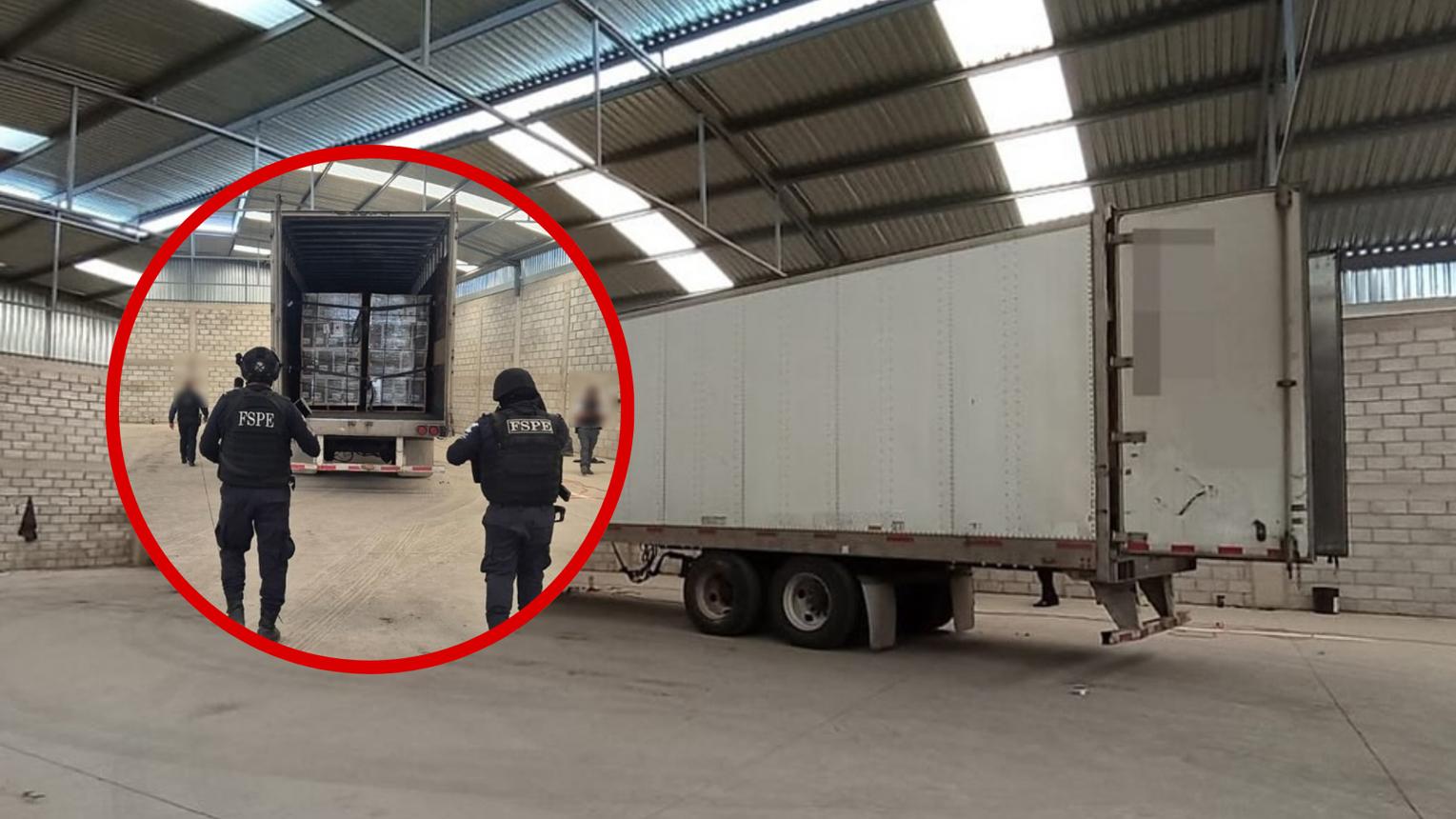
70,000 Pints Stolen: Tracking High-Risk Drinks Cargo
Drinks are a major global cargo-theft target. Discover how independent cargo tracking, smart labels, geofences and layered visibility can reduce risk.
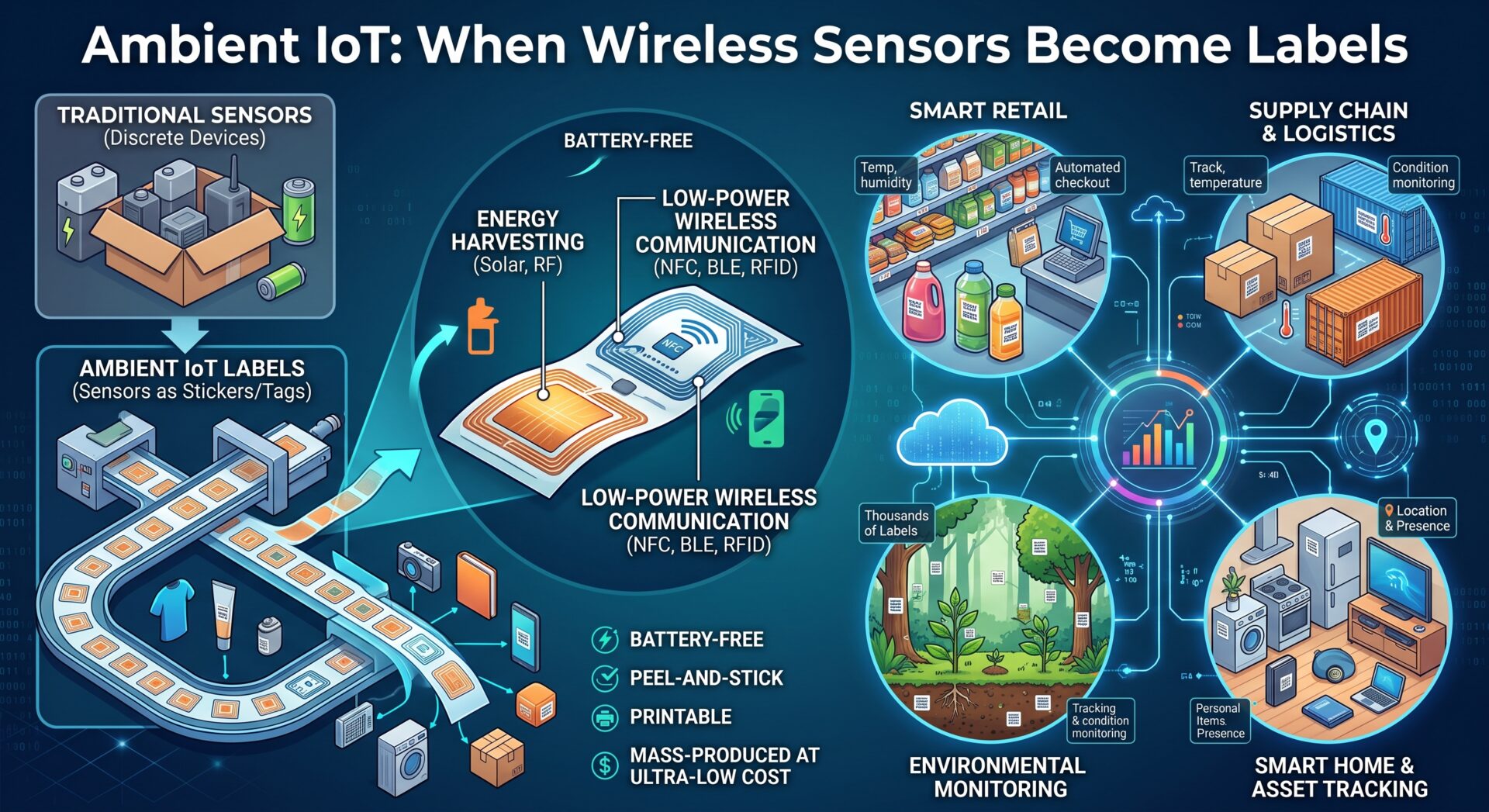
Tracking Tuesday: Ambient IoT: When Wireless Sensors Become Labels
Wiliot and CISC can test battery-free IoT Pixels at high volume. Discover why manufacturing economics may unlock ambient IoT supply chains.
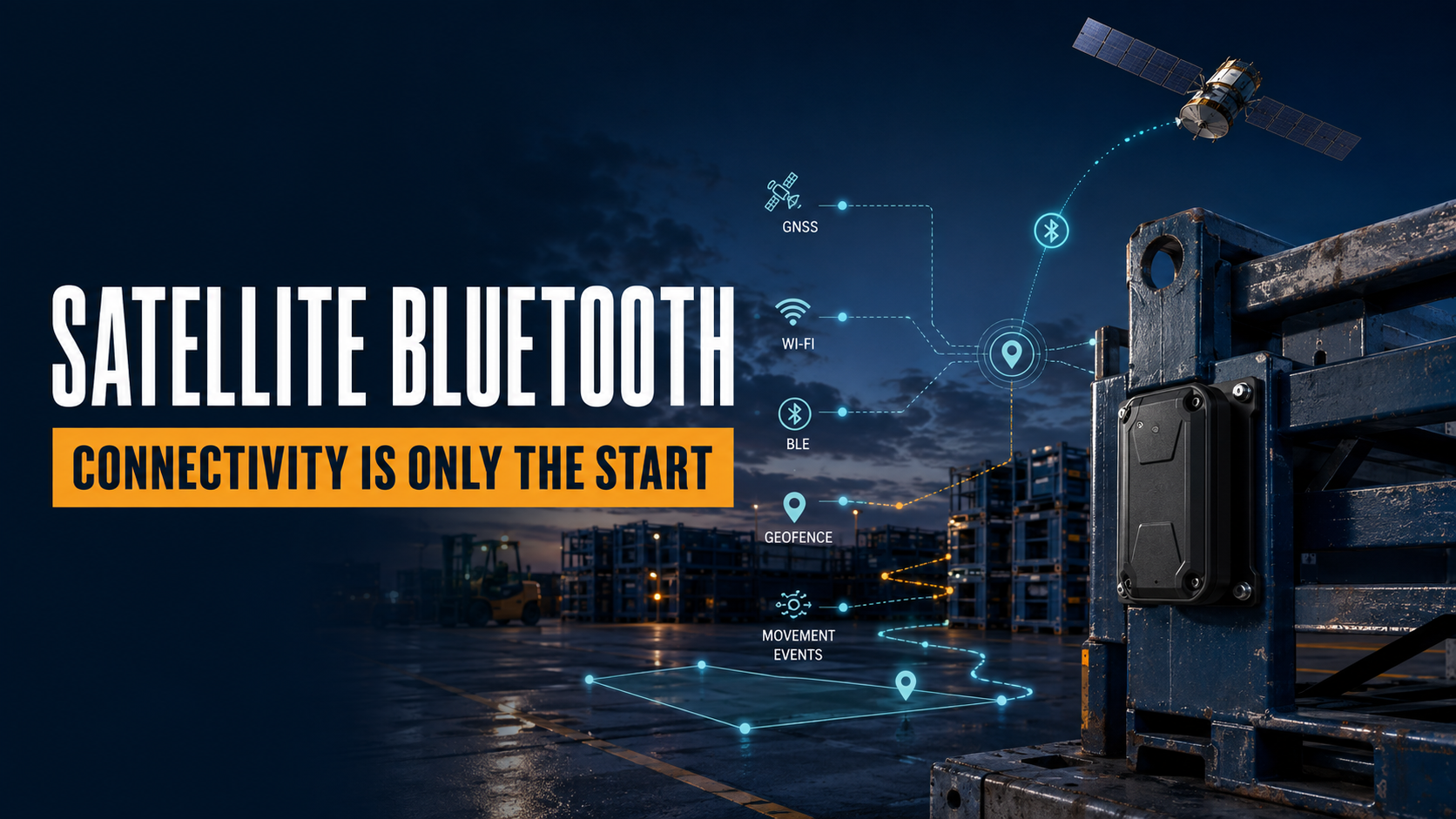
Satellite-Enabled Bluetooth Is Impressive—but Industrial Asset Tracking Needs More Than Connectivity
Hubble Network is extending Bluetooth signals to satellites, but industrial asset tracking requires more than a radio link. Explore the practical advantages of Sensolus for reusable, non-powered assets.