
Visibility platform integration services
Connect Tracking Data to the Systems Where Decisions Are Made
Tracking information creates value when it reaches the people, platforms and workflows able to act on it. Strategic Tracking helps organisations assess, design, implement and support integrations across tracking devices, provider platforms and business systems.
From a single device API to a multi-provider event layer, the architecture is shaped around the operational requirement, available interfaces and required level of resilience.
- Device and provider data integration
- API, webhook, file and connector assessment
- Identity and event normalisation
- Testing, monitoring and production support
Reference architecture
From provider-specific data to usable operational events
- 01
Devices and provider platforms
Cellular trackers, smart labels, BLE gateways, sensor loggers, asset and carrier platforms.
- 02
Secure ingestion
Webhook receipt, API and file collection with validation, retries and traceable outcomes.
- 03
Identity and event normalisation
Match devices, shipments, orders, assets and locations; translate records into consistent events.
- 04
Operational workflows
Alerts, exception ownership, acknowledgement, escalation and audit.
- 05
TMS, WMS, ERP and analytics
Business systems, control towers, portals, warehouses and reporting.
Illustrative pattern only. The applicable architecture depends on available interfaces, volumes, latency requirements and internal standards.
Integration is more than connecting two APIs
A Working Connection Is Not Yet an Operational Integration
A basic connection may prove that one system can retrieve or receive data from another. Production use introduces harder questions: how records are matched, what each status means, how duplicates and gaps are handled, which system owns an alert, and who responds when a provider changes its interface.
Tracking sources also behave differently. One provider may report a precise GNSS position, another an estimated network location, and another only a gateway sighting. Temperature sampling may continue when transmission stops. Status names, timestamps, battery fields and journey identifiers may not be directly comparable.
Strategic Tracking helps define these differences explicitly, normalise what can safely be shared and preserve source context where it matters.
Fragmented provider portals
Teams switch between dashboards and interpret different status models.
Unmatched identities
Device IDs do not automatically correspond to orders, shipments, assets or locations.
Inconsistent events
Similar labels can represent different source logic, timing and confidence.
Disconnected response
Alerts reach an inbox but not the workflow, owner or audit trail needed to manage them.
What can be connected?
Integration Across the Visibility Data Chain
The required architecture depends on the sources available, the systems consuming the information and the actions that follow.
Device and provider sources
Examples
Cellular trackers, smart labels, BLE gateways, sensor loggers, asset platforms, carrier feeds
Key questions
Push or pull? Data latency? History access? Rate limits? Source quality?
Identity and master data
Examples
Device, shipment, order, SKU, asset, location, organisation
Key questions
Which system is authoritative? When are relationships created and retired?
Business systems
Examples
TMS, WMS, ERP, OMS, control tower, CRM, service platform
Key questions
Which users and processes need which events?
Data and analytics
Examples
Data lake, warehouse, BI, reporting and model inputs
Key questions
What resolution, history, provenance and retention are required?
Operational channels
Examples
Dashboards, email, SMS, mobile messaging, tickets and tasks
Key questions
Who receives, acknowledges, escalates and closes an exception?
Interface availability, permissions and data coverage must be confirmed with each system owner or provider. Not every product exposes an API, webhook or export suitable for the intended use.
Recommended architecture pattern
From Provider-Specific Data to Usable Operational Events
- 01
Source interfaces
Authenticate with approved device, platform or carrier interfaces and document available fields, limits, event behaviour and historical access.
- 02
Secure ingestion
Receive webhooks or collect API and file data with timestamping, validation, retry controls and traceable processing outcomes.
- 03
Identity resolution
Associate source identifiers with the correct organisation, device, shipment, order, asset and location for the applicable time period.
- 04
Event normalisation
Translate appropriate source records into consistent business events while retaining provider identity, timestamps, raw references and confidence or quality context.
- 05
Workflow and destination delivery
Route useful events and readings to dashboards, enterprise systems, alerts, reports and downstream data services according to agreed rules.
- 06
Monitoring and support
Observe freshness, failures, volumes, retries and provider changes, with defined ownership and escalation.
Reference architecture
From provider-specific data to usable operational events
- 01
Devices and provider platforms
Cellular trackers, smart labels, BLE gateways, sensor loggers, asset and carrier platforms.
- 02
Secure ingestion
Webhook receipt, API and file collection with validation, retries and traceable outcomes.
- 03
Identity and event normalisation
Match devices, shipments, orders, assets and locations; translate records into consistent events.
- 04
Operational workflows
Alerts, exception ownership, acknowledgement, escalation and audit.
- 05
TMS, WMS, ERP and analytics
Business systems, control towers, portals, warehouses and reporting.
Illustrative pattern only. The applicable architecture depends on available interfaces, volumes, latency requirements and internal standards.
A canonical model should simplify consumption without pretending all provider data is identical. Where location method, sensor accuracy, timestamp origin or event semantics affect a decision, retain and expose that context.
API, webhook, file or connector?
Choose the Interface Pattern Around the Requirement
Webhook or event push
Useful when
New events should be delivered promptly without frequent polling
Important limitations
Delivery, retries, ordering, authentication and replay behaviour vary
REST or GraphQL API
Useful when
Data needs to be queried, reconciled or enriched on demand
Important limitations
Rate limits, pagination, polling delay and history access must be managed
Scheduled file transfer
Useful when
Batch exchange is adequate or a legacy interface is involved
Important limitations
Not suited to every alerting use case; schemas and delivery controls still matter
Prebuilt connector
Useful when
A maintained connector genuinely covers the required objects and events
Important limitations
"Available" does not guarantee functional or semantic fit
Integration platform or iPaaS
Useful when
Multiple systems, orchestration and managed connectors justify it
Important limitations
Licensing, connector depth, custom logic and operational ownership require assessment
Custom service
Useful when
Provider variation or workflow logic needs controlled software
Important limitations
Requires lifecycle ownership, testing, monitoring and maintenance
Many projects use a hybrid. For example, webhooks may deliver new events while an API supports reconciliation and recovery. The correct choice depends on response time, volumes, provider behaviour, criticality, internal standards and total operating cost.
Integration challenges that must be designed in
The Difficult Cases Define Production Quality
Duplicate events
Recognise safe retries without losing legitimate repeated readings.
Out-of-order data
Distinguish measurement time, device time, provider receipt time and integration processing time.
Connectivity gaps
Accommodate store-and-forward uploads and revised journey history.
Identity changes
Manage reused devices, reassignment and effective date ranges.
Unit and timezone differences
Standardise deliberately while preserving original values where required.
Location quality
Retain the difference between GNSS, cellular, Wi-Fi, gateway and derived positions.
Schema and API changes
Detect and manage provider updates through version and regression controls.
Data tenancy
Prevent one customer's devices, events or credentials being exposed to another.
"Real time" should be defined for each workflow. Device sampling, transmission configuration, network availability, provider processing and downstream delivery all contribute to latency.
Alerts and exception workflows
Design the Response, Not Only the Alert
A temperature threshold, unexpected stop or geofence event has limited value if nobody owns the next action. Integration design should define where rules run, how context is added, who receives an exception and how acknowledgement, escalation and closure are recorded.
- 01
A device or provider produces a reading or event.
- 02
The integration validates source, identity, timing and applicable journey context.
- 03
An agreed rule determines whether an operational exception exists.
- 04
The exception is routed to the responsible team and system.
- 05
A user acknowledges, investigates and records an action.
- 06
Resolution evidence and outcome are retained according to policy.
An alert can support intervention and investigation. It does not guarantee that a shipment can be recovered, prove why an event occurred or determine product disposition without the relevant operational or quality process.
Integration delivery process
A Structured Route from Discovery to Production
- 01
Operational and system discovery
Confirm users, decisions, workflows, sources, destinations, environments, volumes, constraints and success measures.
Typical outputs
- Scope
- Stakeholder map
- System inventory
- Prioritised event and use-case list
- 02
Interface and data assessment
Review available documentation, credentials process, sample payloads, rate limits, event semantics, historical data and provider support arrangements.
Typical outputs
- Interface assessment
- Field mapping
- Gaps
- Technical risks
- 03
Architecture and data design
Define ingestion patterns, identities, canonical events, storage, routing, security, observability and system boundaries.
Typical outputs
- Target architecture
- Mappings
- Sequence flows
- Non-functional requirements
- 04
Build and configuration
Implement approved connectors, transformation, routing and workflow components with separated development, test and production handling where appropriate.
Typical outputs
- Configured integration components
- Version-controlled specifications
- Deployment notes
- 05
Verification and operational acceptance
Test normal and failure cases using representative data, journeys and replayable scenarios. Confirm user workflows as well as field transfer.
Typical outputs
- Test evidence
- Reconciliation results
- Issue log
- Acceptance record
- 06
Deployment and support
Release through an agreed change process and monitor data freshness, errors, volumes, latency and source-interface changes.
Typical outputs
- Runbook
- Dashboards and alerts
- Ownership matrix
- Change process
Actual deliverables and responsibilities depend on the engagement. Not every enquiry includes custom development or 24/7 managed support.
Testing framework
Test Meaning and Resilience, Not Only Field Transfer
| Test area | Representative questions |
|---|---|
| Contract and mapping | Are required fields, types, units and enums handled correctly? |
| Identity | Is each event assigned to the correct tenant, device, shipment or asset for that time? |
| Timing | Are delayed and out-of-order records processed safely? |
| Duplication and replay | Can retries and historical replay occur without corrupting state or creating false actions? |
| Failure and recovery | What happens when a source, destination, credential or network is unavailable? |
| Reconciliation | Can received, processed, rejected and delivered records be accounted for? |
| Security | Are access, secrets, tenant boundaries, logs and personal data handled as designed? |
| User acceptance | Do events reach the correct workflow, owner and decision point? |
| Performance | Can expected and peak volumes be processed within the agreed latency? |
| Change regression | Can interface or mapping updates be evaluated before production release? |
A technically successful API response does not establish that the right event reached the right user with the right meaning. Acceptance criteria should cover data, systems and operations together.
Security, privacy and governance
Build Appropriate Controls into the Architecture
- Least-privilege access and scoped provider credentials
- Encrypted transport and appropriate storage controls
- Separation of development, test and production where proportionate
- Tenant and organisation isolation
- Credential rotation and revocation
- Audit logging without exposing secrets or unnecessary payload data
- Retention, deletion and data-location requirements
- Personal-data assessment where location or identifiers relate to people
- Subprocessor and vendor responsibility mapping
- Incident and access-review processes
- Business continuity, recovery and replay expectations
Security, privacy and regulatory requirements must be assessed for the customer's architecture, jurisdictions, data and internal policies. An integration or tracking product does not create compliance by itself.
Engagement options
Integration Support Matched to the Stage of Your Project
Integration discovery
For teams defining scope, systems, interfaces and feasibility.
Potential outputs: requirements workshop, source and destination inventory, risks, options and recommended next step.
Architecture and specification
For teams preparing an internal or external build.
Potential outputs: architecture, identity model, event definitions, mappings, non-functional requirements and test strategy.
Implementation and verification
For approved integrations requiring configuration, development coordination and testing.
Potential outputs: implemented flows, test evidence, issue management, documentation and deployment support as agreed.
Review and improvement
For existing integrations with data gaps, false alerts, provider sprawl or poor operational adoption.
Potential outputs: current-state review, failure analysis, prioritised remediation plan and support model.
When to start with consultancy instead
Not Ready to Specify the Integration?
If the operational problem, technology choice, intervention model or business case is still unclear, begin with use-case evaluation. This prevents an integration project from hard-wiring an untested process or inappropriate data source.
Why Strategic Tracking
Independent Thinking Across Devices, Platforms and Operations
Strategic Tracking works across shipment tracking, condition monitoring and industrial asset visibility. This enables an integration to be considered from both sides: the characteristics and limits of the source technology, and the systems and operating process expected to consume its data.
- Requirements-led and technology-aware
- Familiarity with multi-provider tracking environments
- Understanding of location, sensor, shipment and asset event models
- Practical focus on alerts, ownership and response workflows
- Support from evaluation and pilot design through integration planning

Matthew Holland, Strategic Tracking
Matthew Holland works directly with logistics, operations, quality and IT teams on tracking and visibility requirements, from device selection and pilot design through to how data is expected to reach operational systems.
Organisations Strategic Tracking has worked with


Logos reflect Strategic Tracking's wider work. They do not indicate that each organisation is an integration customer.
Where integrations are typically required
Contextual Examples by Sector
Pharmaceutical and cold chain
Excursion evidence, quality review and release decisions depend on trusted sensor events reaching the right process owner.
Food and beverage
Temperature, delay and custody events often need to reach service, quality and customer-communication workflows.
Manufacturing and industrial
Inbound part visibility, returnable asset movements and line-side exceptions are consumed by planning and logistics systems.
Retail and ecommerce
Shipment status and exception events are frequently required by order management, customer service and portals.
High-value and theft-sensitive goods
Deviation and tamper events need routing, acknowledgement and audit rather than an unmonitored inbox alert.
Multi-provider consolidation
Organisations running several device or platform providers often need one consistent event layer for reporting and response.
Questions
Visibility Platform Integration: Frequently Asked Questions
Can you integrate data from more than one tracking provider?
Do we need to replace our existing visibility platforms?
Are webhooks better than APIs?
Can tracking data be integrated with our TMS, WMS or ERP?
What does real-time integration mean?
Can you normalise different provider data into one format?
How do you test an integration?
Do you provide ongoing support?
Can you integrate GoAndTrack?
What information is useful for an initial discussion?
Next step
Turn Tracking Data into a Reliable Operational Capability
Tell us which devices, platforms and business systems are involved, and what decision or workflow the integration needs to support. Strategic Tracking can help define a practical route from interface assessment to production operation.
Need products and pricing instead? Request device quotations.
- Tracking technology, visibility and integration services
- Visibility consultancy and use-case evaluation
Already know which devices you need? Request quotations.

Tracking Tuesday: When Shipment Visibility Becomes a Cyber Risk
Satellite connectivity extends shipment visibility — and its cyber-risk surface. Seven questions buyers should ask about secure, resilient tracking.
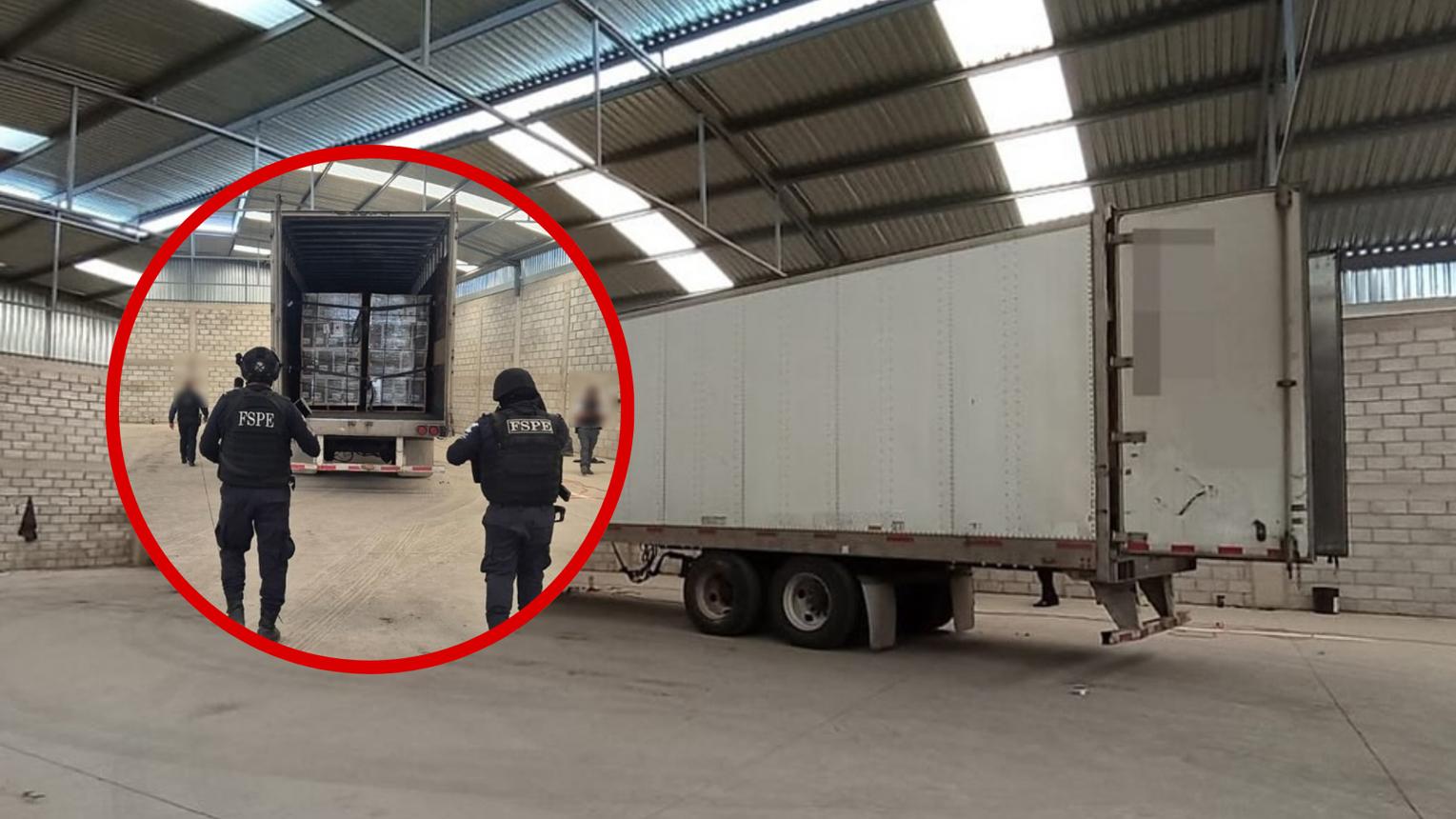
70,000 Pints Stolen: Tracking High-Risk Drinks Cargo
Drinks are a major global cargo-theft target. Discover how independent cargo tracking, smart labels, geofences and layered visibility can reduce risk.
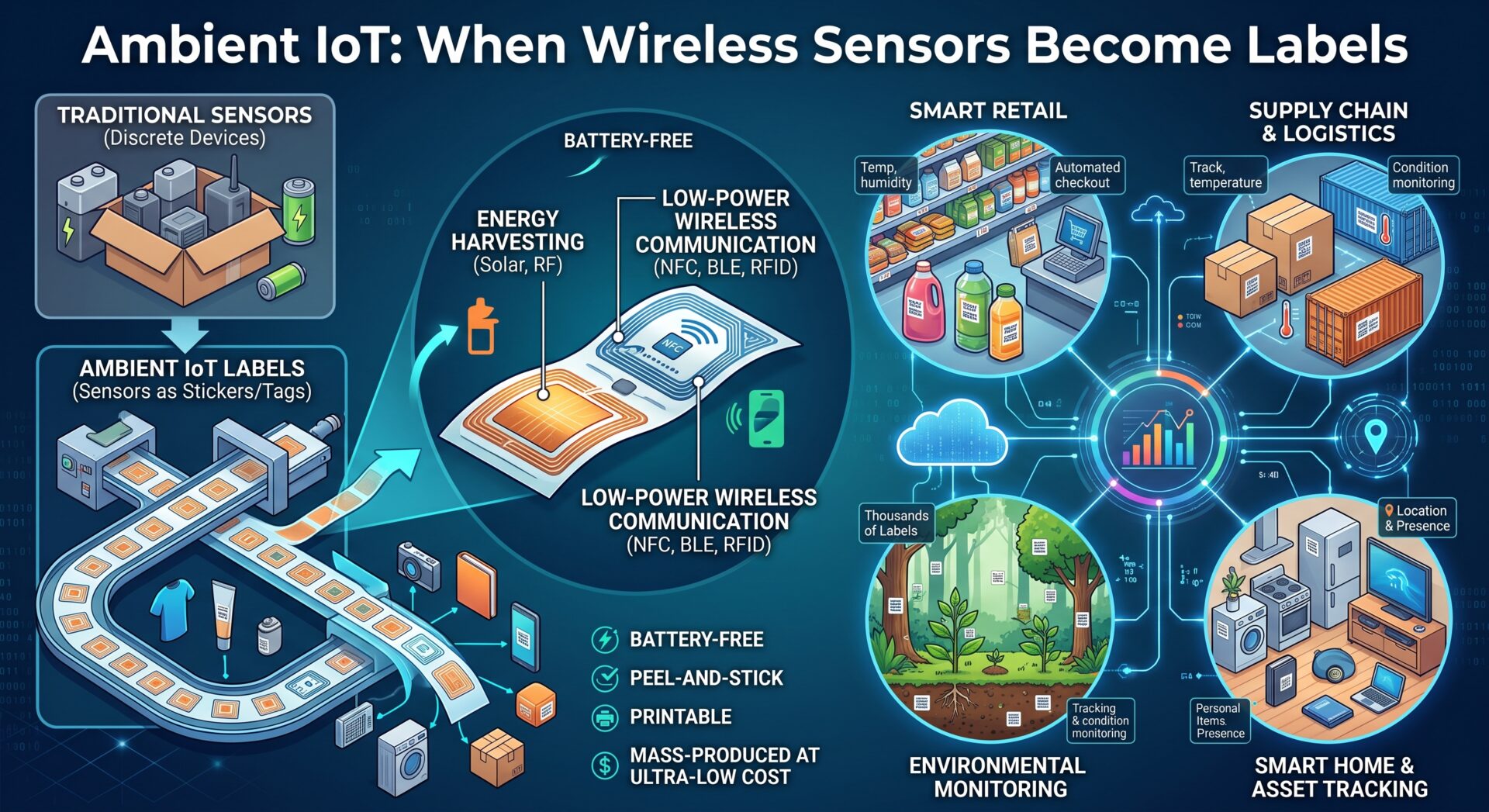
Tracking Tuesday: Ambient IoT: When Wireless Sensors Become Labels
Wiliot and CISC can test battery-free IoT Pixels at high volume. Discover why manufacturing economics may unlock ambient IoT supply chains.
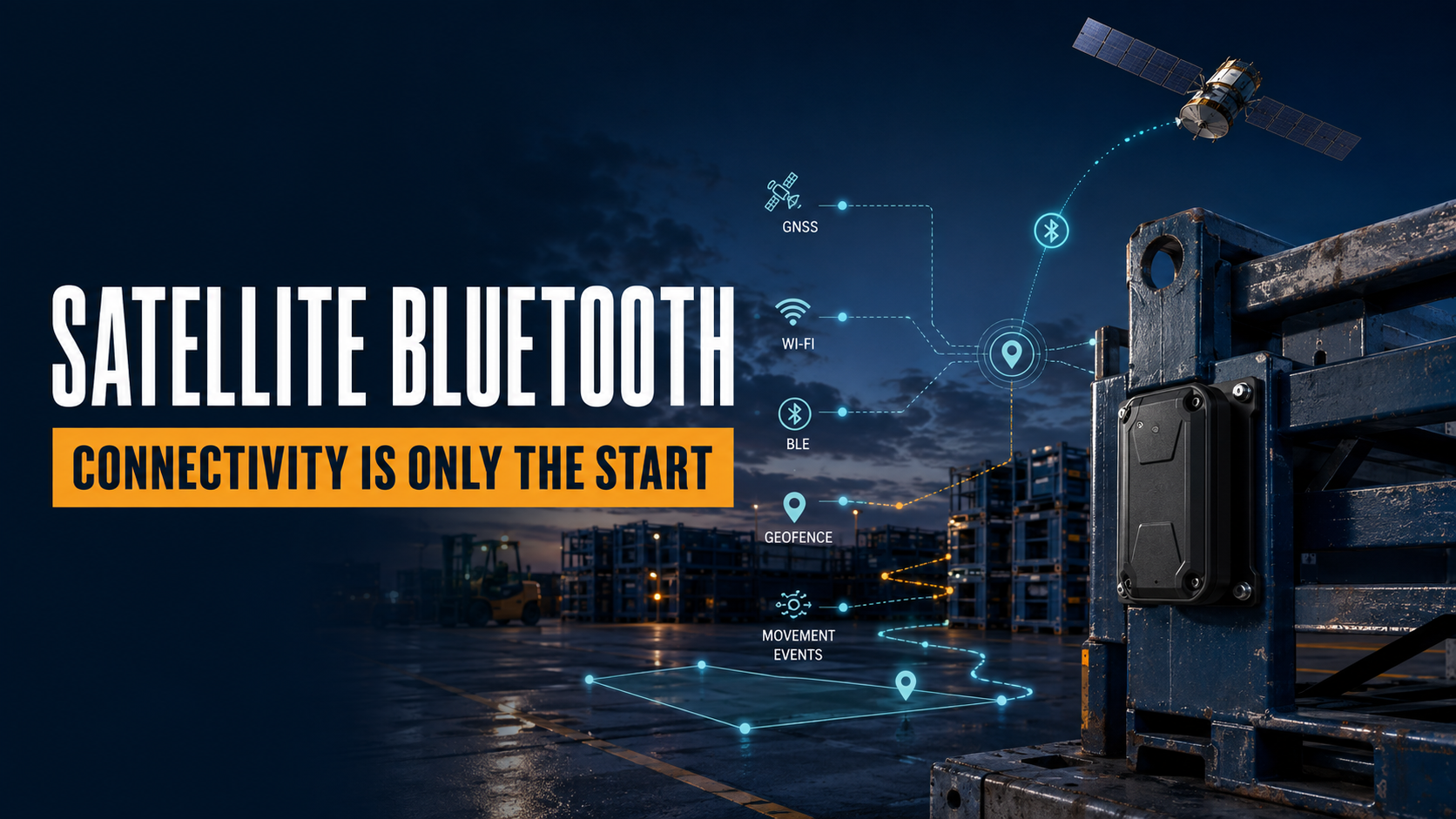
Satellite-Enabled Bluetooth Is Impressive—but Industrial Asset Tracking Needs More Than Connectivity
Hubble Network is extending Bluetooth signals to satellites, but industrial asset tracking requires more than a radio link. Explore the practical advantages of Sensolus for reusable, non-powered assets.