
Cold Chain & Pharmaceutical Logistics
Pharmaceutical Shipment Tracking and Cold Chain Monitoring
Track the location and monitored condition of medicines, biologics, clinical supplies and other sensitive healthcare shipments. Strategic Tracking helps organisations compare devices, connectivity and platforms for their product, packaging, lane, response process and quality requirements.
- Independent technology selection
- Location and condition monitoring
- From requirements to integration
Monitoring technology can provide data and alerts to support operational and quality processes. Suitability, qualification, validation and product-disposition decisions remain specific to the organisation, product and applicable requirements.

Illustrative monitoring record
- Collection recordedLocation event, device dependent
- Temperature readingIllustrative only - sensor and placement dependent
- Handover loggedOperational context, where configured
- Review requiredAlert routed to a named recipient
Visibility Across a High-Consequence Supply Chain
Pharmaceutical logistics can involve narrow temperature limits, complex handovers, specialist packaging, limited product availability and time-critical delivery. A map position alone cannot show whether the required conditions were maintained, while a destination-read logger may not help a team respond during transit.
The correct approach depends on what the organisation needs to know, when it needs to know it and what action is possible.
Product condition
Record temperature and, where relevant, humidity, shock, tilt or light using suitable sensors.
Location and progress
Understand departure, movement, dwell, handovers and arrival using appropriate location and connectivity technology.
Operational response
Route useful alerts to named teams with defined escalation procedures and sufficient context to act.
Quality evidence
Make monitoring records accessible to authorised reviewers and integrate them into established quality and disposition processes.
Three Different Data Layers
Location data
Location data may come from GNSS/GPS outdoors, cellular network positioning, Wi-Fi observations or other location methods. Performance depends on environment and device design.
Condition data
Condition data comes from fitted and configured sensors. Temperature is not supplied by GPS, and different sensors have different ranges, accuracy, calibration and response characteristics.
Operational context
Operational context connects device data to the shipment, product, packaging configuration, lane, carrier, limits, users and response workflow. Without this context, an alert may be difficult to interpret or act upon.
A useful monitoring design connects the right sensor and location method to a defined operational and quality response - not merely to a dashboard.
Monitoring Requirements Across Healthcare Logistics
Medicines and biologics
Monitor time, location and specified environmental conditions for sensitive finished products, active materials and therapies.
Clinical trials and clinical supplies
Support visibility across depots, sites, laboratories and patient-facing distribution, with access and workflows appropriate to the study.
Vaccines and temperature-sensitive products
Combine suitable packaging, sensing and response processes for shipments with defined stability and handling requirements.
Cell and gene therapies
Address time-critical movements, identity and custody requirements, specialist packaging and product-specific temperature regimes. An ordinary tracker does not provide chain of identity or chain of custody by itself.
Samples and diagnostic materials
Track time-sensitive movements and monitored conditions while following the applicable packaging, handling and transport requirements.
Medical devices and equipment
Provide location, handover and condition visibility where delays, loss, shock or handling events create operational risk.
Select Technology for the Actual Product and Packaging Requirement
Different pharmaceutical shipments may require controlled room temperature, refrigerated, frozen, deep-frozen or cryogenic conditions. These descriptions do not by themselves define a complete monitoring specification.
| Requirement category | Selection considerations |
|---|---|
| Controlled room temperature or ambient-sensitive | Defined product limits, lane exposure, logger placement, seasonal risk and review process |
| Refrigerated, including common 2-8 degrees C applications | Sensor accuracy and calibration, packaging configuration, response time and excursion workflow |
| Frozen or deep-frozen | Verified operating range, battery and display behaviour at low temperature, probe configuration and placement |
| Dry ice | Recorder range, placement, insulation effects, safe handling, data retrieval and shipment duration |
| Cryogenic | Specialist probes, containers and monitoring systems appropriate to the specified temperature and application |
Very low temperature capability should not be presented as a routine feature. Cryogenic monitoring is a specialist requirement and must be confirmed against the complete system specification.
For dry-ice applications, see Explore Dry-Ice Shipment Recorders.
Choose the Type of Visibility the Operation Needs
| Approach | Best suited to | Main advantages | Important limitations |
|---|---|---|---|
| Connected real-time monitor | Shipments where in-transit awareness could support intervention | Remote data and configurable alerts where connectivity is available | Network gaps, aircraft restrictions, packaging attenuation, battery and platform dependencies |
| Destination-read data logger | Creating a trip record for review after receipt | Familiar workflow; options for different ranges and readout methods | Usually cannot support intervention while the shipment is moving |
| Threshold indicator | Simple visual indication of a defined event | Compact and operationally simple | Limited context and history; not equivalent to a calibrated time-temperature record unless specifically designed and qualified for that purpose |
| Reusable monitoring device | Closed-loop or repeatable operations | Potentially richer sensors and lower cost per trip at sufficient reuse | Retrieval, charging, cleaning, calibration, inventory control and loss must be managed |
| Location-focused tracker or smart label | Shipment progress, dwell, arrival and exception visibility | Useful for one-way shipments and logistics events | Does not measure temperature unless a suitable sensor is included |
Design the Response Before the Shipment Moves
- 01
Capture
The selected device records location or condition data at its configured interval.
- 02
Transmit or retrieve
Data is transmitted when connectivity and operating rules allow, or retrieved at destination.
- 03
Notify
A platform applies configured rules and sends an alert to authorised recipients.
- 04
Investigate
Operations or quality teams review the shipment context, data quality, duration, packaging and available stability information.
- 05
Decide and document
The responsible organisation follows its established quality process. A tracker must not automatically declare a pharmaceutical product acceptable or rejected.
An alert has value only when it reaches the right person, contains actionable context and connects to an agreed response procedure.
Define the Requirement Before Comparing Products
Product, lane and packaging
- Product and applicable temperature or condition limits
- Origin, destination, countries and expected route
- Controlled room temperature, refrigerated, frozen, dry-ice or cryogenic regime
- Qualified packaging configuration and likely device placement
- Shipment duration, storage points and seasonal extremes
- Aircraft use, dangerous-goods considerations and carrier acceptance
Measurement and connectivity
- Required sensor range, accuracy, resolution and sampling interval
- Calibration certificate and traceability requirements
- Need for real-time alerts versus destination review
- Cellular bands, roaming, coverage and store-and-forward behaviour
- Single-use versus reusable operating model
Data, response and commercials
- User roles, audit trail, data retention and electronic-record requirements
- Alert recipients, escalation process and out-of-hours ownership
- API, TMS, ERP, WMS, QMS or clinical-system integration
- Annual volume, pilot quantity and total operational cost
Strategic Tracking can use these requirements to identify credible solution types and suppliers without beginning with a predetermined manufacturer.
Test the Complete Monitoring Process
A representative evaluation should assess more than whether a device switches on. It should test the hardware, packaging position, route, transmission behaviour, platform, alerts, users, handovers, data retrieval and escalation workflow together.
Representative pilot
Test relevant lanes, packaging configurations, durations, transport modes and coverage conditions against agreed acceptance criteria.
Documented assessment
Record what was tested, what was observed and what remains to be confirmed, so decisions can be reviewed within the organisation's own quality framework.
System integration
Connect selected monitoring data to existing platforms where useful, with clear device-to-shipment association, permissions, data ownership, retention and exception handling.
Understand What "Real Time" Can - and Cannot - Mean
Connectivity and coverage
Live reporting depends on device design, connectivity, placement, packaging, transport mode and network availability. GNSS signals can be weak indoors or within vehicles and containers. Cellular transmission may be unavailable in aircraft, remote areas, warehouses, insulated shippers or metal enclosures. Some devices store readings and transmit them later.
Air transport and carrier acceptance
Aircraft suitability and carrier acceptance must be checked for the specific device, route and operator. "Airline approved" must not be used as a universal category claim. Battery documentation, radio behaviour and applicable dangerous-goods requirements may also need review.
Sensor placement and interpretation
Sensor placement matters. A device near a lid, wall, refrigerant or payload may record a different temperature profile from another position. Monitoring data must be interpreted in the context of the packaging configuration and product-specific quality process.
Independent Selection Across Devices and Platforms
Strategic Tracking helps organisations define their requirements, compare suitable technologies and suppliers, structure representative trials and plan data integration. We are not limited to one device type, network or monitoring platform.
- Vendor-neutral requirements and technology comparison
- Coverage of location tracking, connected sensors, loggers and smart labels
- Support from use-case definition through pilot and integration
- Access to a wider tracking-technology and solution-provider ecosystem
Explore Related Tracking and Monitoring Solutions
Shipment Integrity & Condition Monitoring
Compare monitoring approaches and sensors across temperature, humidity, shock, tilt, vibration and light.
Dry-Ice Shipment Recorders
Explore devices designed for dry-ice temperature ranges, placement and data retrieval.
Disposable Shipment Trackers
Compare one-way location-tracking devices and connected labels for single-trip shipments.
Visibility Platform Integration
Bring device and shipment data into operational, logistics and quality systems.
Pharmaceutical Shipment Monitoring FAQs
Does GPS measure a pharmaceutical shipment's temperature?
What is the difference between a real-time monitor and a data logger?
Can a tracker make a shipment GDP compliant?
Can monitoring devices transmit during air transport?
Can the same device monitor refrigerated, dry-ice and cryogenic shipments?
What should a pharmaceutical monitoring pilot test?
Can monitoring data integrate with our existing systems?
Find the Right Monitoring Approach for Your Pharmaceutical Shipments
Whether you need connected temperature monitoring, a destination-read logger, specialist low-temperature recording or location visibility, Strategic Tracking can help compare credible options for your product, packaging, lane and operating process.
Share the product requirements, routes, transport modes, temperature regime, shipment duration and expected annual volume.

Tracking Tuesday: When Shipment Visibility Becomes a Cyber Risk
Satellite connectivity extends shipment visibility — and its cyber-risk surface. Seven questions buyers should ask about secure, resilient tracking.
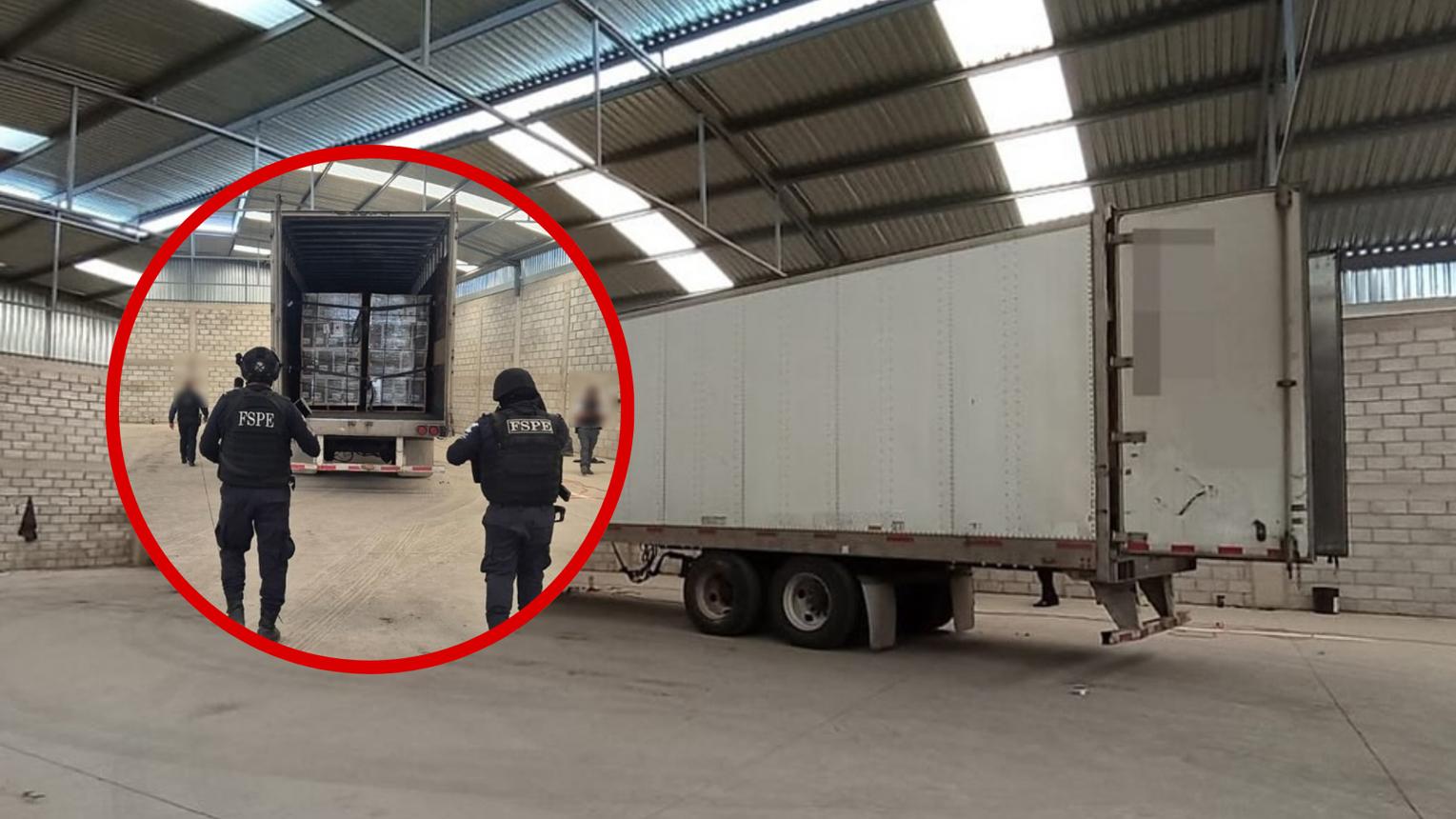
70,000 Pints Stolen: Tracking High-Risk Drinks Cargo
Drinks are a major global cargo-theft target. Discover how independent cargo tracking, smart labels, geofences and layered visibility can reduce risk.
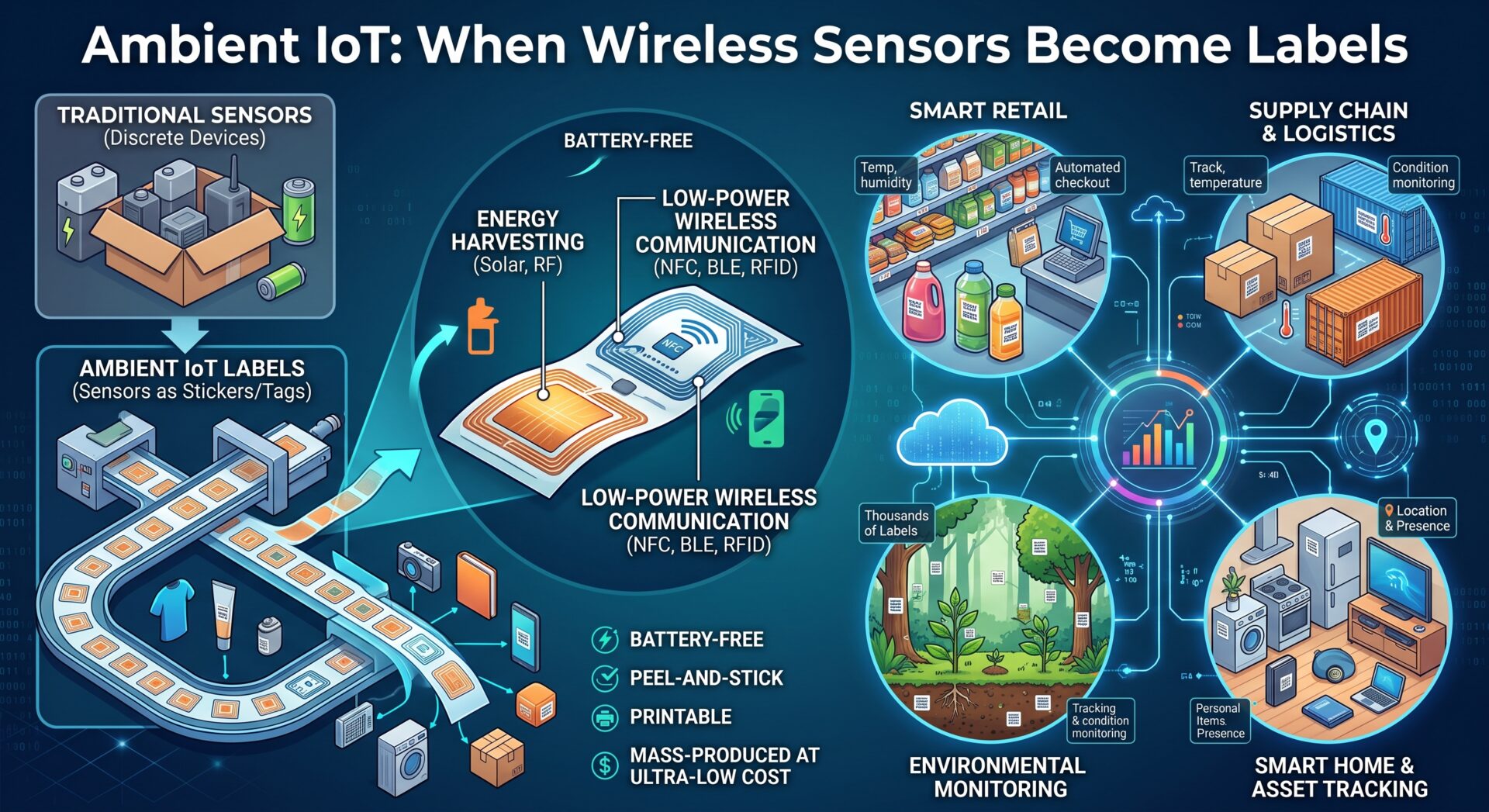
Tracking Tuesday: Ambient IoT: When Wireless Sensors Become Labels
Wiliot and CISC can test battery-free IoT Pixels at high volume. Discover why manufacturing economics may unlock ambient IoT supply chains.
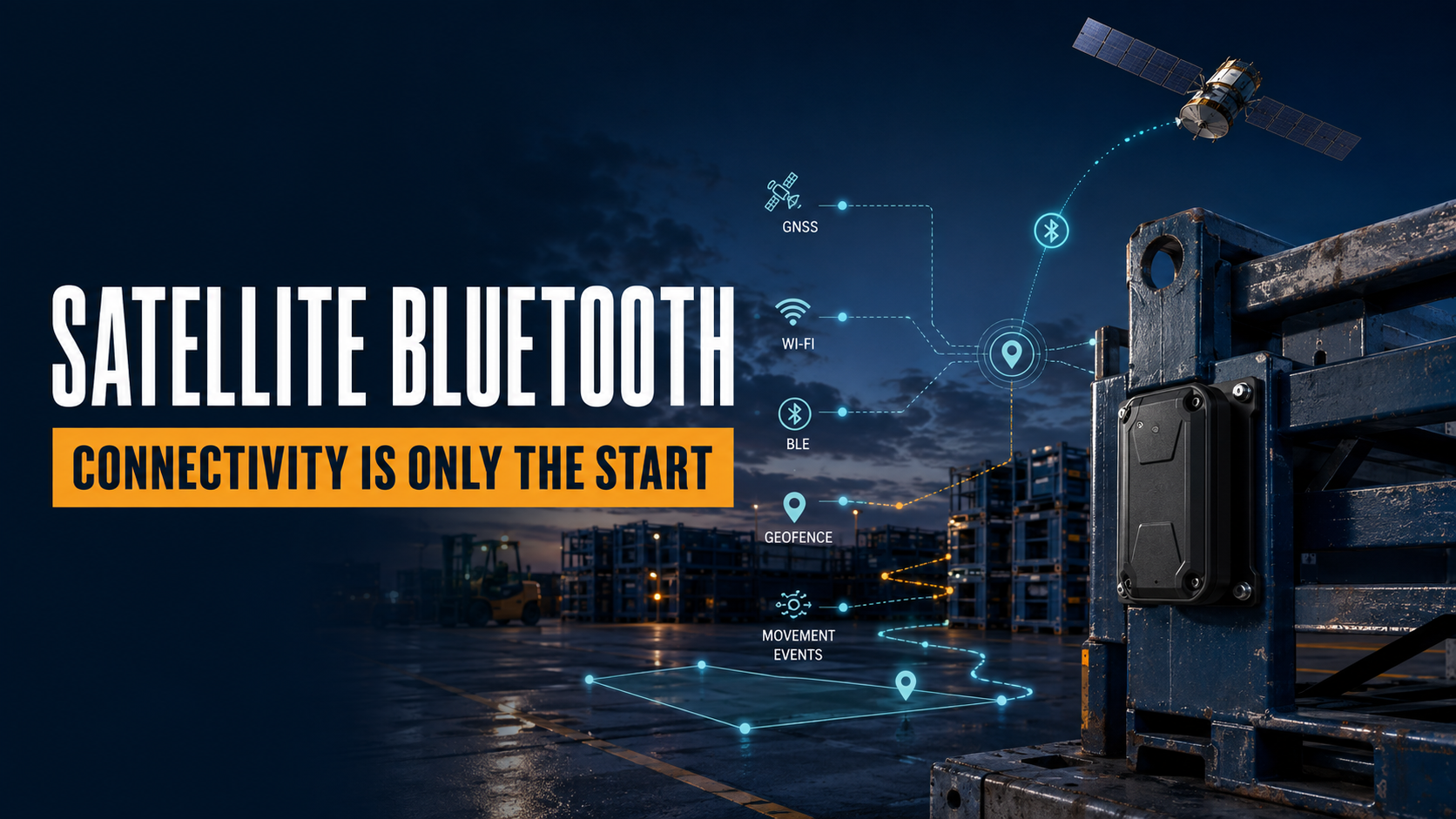
Satellite-Enabled Bluetooth Is Impressive—but Industrial Asset Tracking Needs More Than Connectivity
Hubble Network is extending Bluetooth signals to satellites, but industrial asset tracking requires more than a radio link. Explore the practical advantages of Sensolus for reusable, non-powered assets.