


Strategic Tracking Guide To Successful GPS Tracking Implementations
Planning, Implementation & Best Practices for 2026
Based on 20+ years experience of implementing 100s of GPS tracking projects, we have written this easy-to-read best practice guide and checklist to help you plan and implement GPS tracking and realtime visibility solutions.
This is a comprehensive framework for evaluating, selecting, and implementing GPS tracking and supply chain visibility solutions across pharmaceuticals, cold chain logistics, manufacturing, and returnable asset management.
200+ Solution Providers – 20+ years experience – 100% free download
By following the tips in this guide, you will save your business or organisation time and money in planning, procuring and deploying GPS tracking technology on a wide range of use cases.
This in-depth guide includes:
- 10-point pre-planning checklist – save time, money and prepare your organisation
- Best practice implementation guide – avoid little known mistakes and get your deployment right first time
WHAT’S INSIDE THE GUIDE
Everything You Need to Implement Tracking Successfully
This isn’t generic advice—it’s field-tested wisdom from hundreds of real implementations across enterprise logistics, pharmaceuticals, and manufacturing.
12-Point Planning Framework
Define clear objectives, understand technology options, and build a defensible business case that gets CFO approval.
Technology Selection Matrix
GPS, BLE, UWB, RFID—understand which technology fits your specific use case and avoid costly mistakes.
ROI Calculation
Quantify your tracking investment with metrics that matter: loss prevention, utilization improvement, and compliance cost avoidance.
Implementation Best Practices
Field-tested protocols for device placement, battery management, connectivity troubleshooting, and first-time deployment success.
Vendor Evaluation Criteria
Critical questions to ask solution providers before committing. Learn to identify red flags and separate credible vendors from time-wasters.
Industry Case Studies
Real examples from pharmaceutical cold chain, returnable asset management, and high-value shipment tracking implementations.
Executive Summary:
Key Deployment Pillars
1. Power Management
Most projects fail because they underestimate battery drain in cold conditions. Our guide breaks down the mAh calculations you actually need.
2. Connectivity Blindspots
Cellular (2G/4G/LTE-M) vs. LoRaWAN. Why 'global roaming' is often a myth and how to test for reality.
3. Data Integration
Getting the data is easy. Getting it into your TMS without breaking the API limit is hard. We explain the middleware layer
Frequently Asked Questions (FAQ)
Most frequent questions and answers
No. This is a vendor-neutral educational resource. While we do mention how we help clients, the core of the document is a practical 10-point checklist and a technical evaluation framework that you can use with any vendor or solution provider.
Not at all. We wrote this specifically for Supply Chain Directors and Logistics Managers. We translate the “tech speak” (like API limits and battery profiles) into plain English so you can understand the operational risks without needing an engineering degree.
Yes. Section 3 covers “Rescue Projects”—how to audit an underperforming solution. If you are experiencing data gaps, false alerts, or battery failures with your current provider, the Troubleshooting Matrix on page 7 will help you diagnose the root cause.
The implementation principles (Power, Connectivity, Data) apply to all sectors. However, we have included specific call-out boxes for Cold Chain (Pharma/Perishables) regarding temperature compliance and High-Value Retail regarding security and covert placement.
Still Have Questions?
Get in touch directly—I’m happy to help clarify anything about the guide or your specific tracking requirements.
Strategic Tracking Insights
Tracking Tuesday: When Shipment Visibility Becomes a Cyber Risk
Satellite connectivity extends shipment visibility — and its cyber-risk surface. Seven questions buyers should ask about secure, resilient tracking.
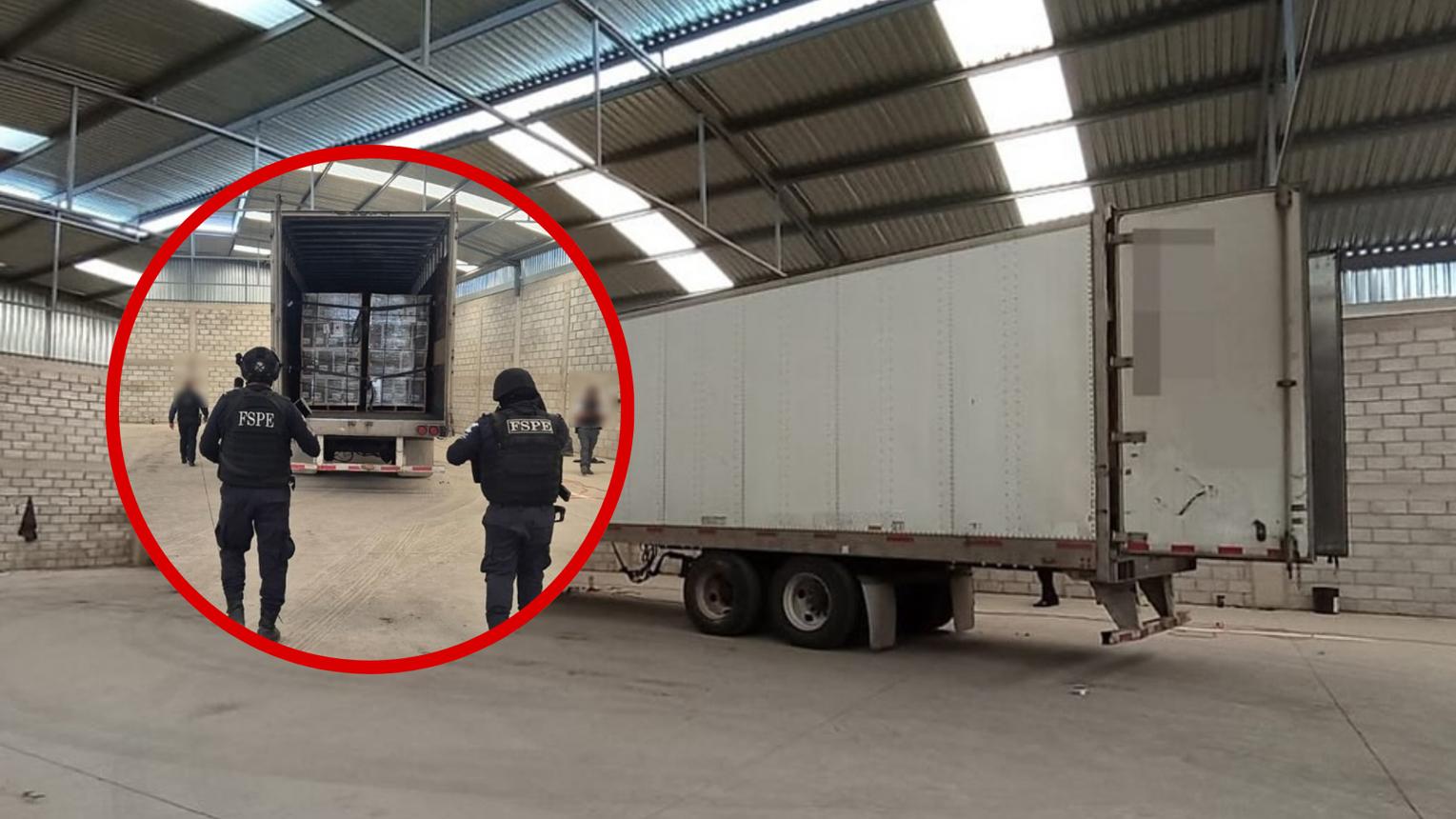
70,000 Pints Stolen: Tracking High-Risk Drinks Cargo
Drinks are a major global cargo-theft target. Discover how independent cargo tracking, smart labels, geofences and layered visibility can reduce risk.
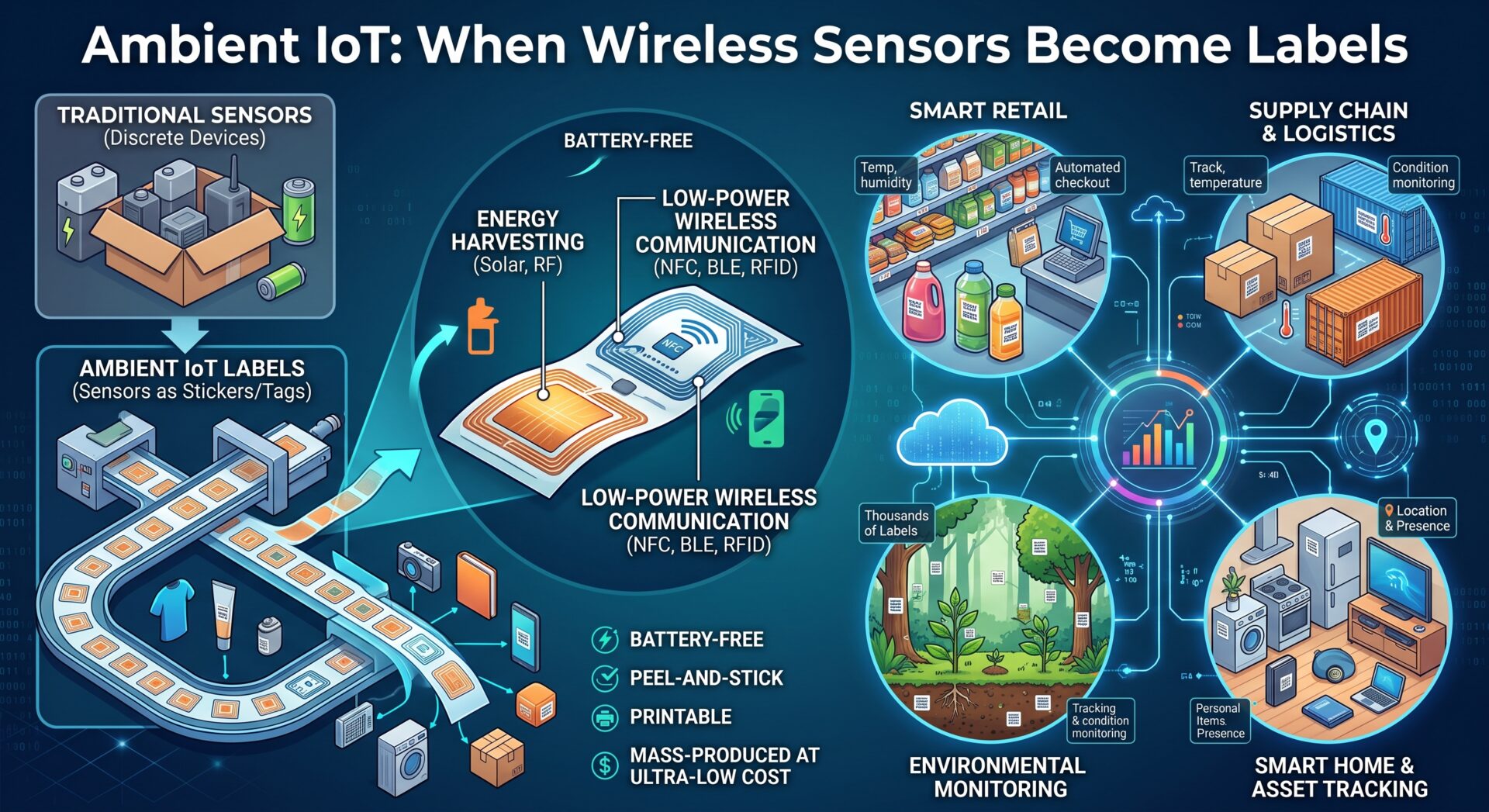
Tracking Tuesday: Ambient IoT: When Wireless Sensors Become Labels
Wiliot and CISC can test battery-free IoT Pixels at high volume. Discover why manufacturing economics may unlock ambient IoT supply chains.

Satellite-Enabled Bluetooth Is Impressive—but Industrial Asset Tracking Needs More Than Connectivity
Hubble Network is extending Bluetooth signals to satellites, but industrial asset tracking requires more than a radio link. Explore the practical advantages of Sensolus for reusable, non-powered assets.