Clinical trial logistics require temperature-controlled distribution meeting ICH Q1A(R2) stability guidelines plus GDP compliance across 50+ countries. Investigational medicinal products (IMPs) valued £100,000-£500,000 per shipment demand real-time visibility preventing temperature excursions that invalidate trial data. This guide details temperature tracking requirements, international shipping protocols, and regulatory compliance systems for Phase I-IV clinical trials
What temperature monitoring requirements apply to IMP shipments?
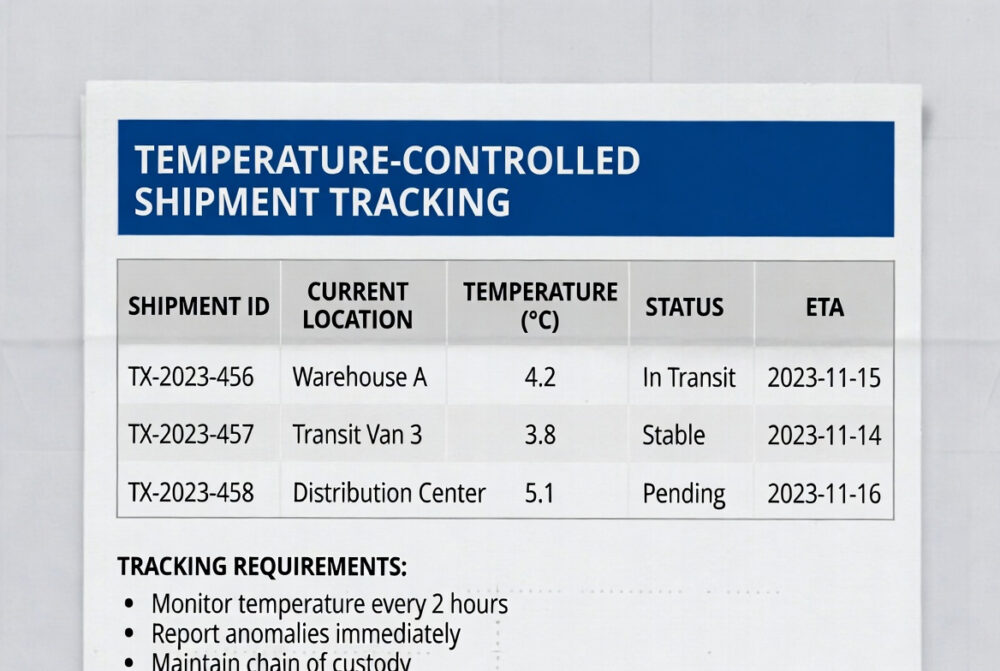
ICH guidelines require continuous temperature monitoring with ≤15 minute intervals for refrigerated (2-8°C) and frozen (-20°C to -80°C) IMPs. Unlike commercial pharmaceutical distribution accepting brief excursions, investigational products have no approved stability data justifying deviations. Any excursion outside specification potentially invalidates trial batch requiring expensive replacement shipments.
Multi-country trials face varying regulatory requirements. EMA (European Medicines Agency) accepts GDP guidelines. FDA requires additional validation of monitoring equipment under 21 CFR Part 11. Health Canada mandates bilingual documentation. PMDA (Japan) requires specific calibration standards. Global trials need monitoring solutions certified across all relevant jurisdictions.
Chain of custody documentation matters as much as temperature records. Regulatory authorities audit complete shipment history from manufacturer through distribution to investigator sites. GPS tracking combined with temperature monitoring creates audit trail showing product never entered unauthorized locations (customs delays, inappropriate storage) even when temperature remained compliant.
How do specialised clinical trial couriers differ from standard cold chain?
Logistics Model | Temperature Range | Monitoring Frequency | Typical Lead Time | Cost per Shipment |
Standard pharma courier (DHL, FedEx) | 2-8°C refrigerated | Data logger (15 min) | 3-5 days international | £200-£600 |
Specialized IMP courier (Marken, WorldCourier) | -80°C ultra-cold capable | Real-time cellular (5 min) | 24-72 hours door-to-door | £800-£2,500 |
Hand-carry courier service | Active cooling maintained | Manual monitoring + GPS | Same-day/next-day | £3,000-£8,000+ |
Dry ice passive shipping | -78°C (dry ice sublimation) | Data logger on arrival | 48-96 hours | £400-£1,200 |
Specialised clinical trial couriers justify 3-5x cost premium through failure rate reduction. Standard cold chain logistics report 2-5% shipment failures from temperature excursions. Specialized IMP couriers achieve <0.3% failure rates through dedicated cold storage networks, trained handling staff, and purpose-built packaging.
What packaging systems maintain IMP temperature during international transit?
Phase-change material (PCM) packaging maintains 2-8°C for 72-120 hours depending on ambient conditions. Manufacturers like Softbox, Envirotainer, and CSafe qualify packaging through ISTA 7D testing simulating worst-case shipping profiles. Qualification data required by regulatory authorities shows packaging performance at summer desert conditions (43°C ambient) through winter freezing (-20°C ambient).
Active cooling containers suit ultra-cold (-80°C) shipments or longer transit times (5-7 days). Battery-powered refrigeration units cost £2,000-£5,000 monthly rental but eliminate dry ice sublimation risks and extend geographic reach to remote investigator sites. Clinical trials in Africa, South America, or Australia requiring 4+ day transit justify active cooling despite cost.
Dry ice passive shipping remains cost-effective for frozen products (-20°C to -80°C) with short transit (<72 hours). However, IATA Dangerous Goods regulations limit dry ice to 200kg per air shipment complicating large-volume trial supply. Airlines increasingly restrict or refuse dry ice shipments creating logistics challenges for global trials
How does IMP tracking integrate with clinical trial management systems (CTMS)?
Integration between temperature tracking platforms and CTMS (Medidata Rave, Oracle Siebel, Veeva Vault CTMS) enables automated investigator notifications. When shipment arrives on-site, CTMS automatically alerts site coordinator to retrieve product from courier and transfer to qualified storage. This closes logistics visibility gap between ‘delivered to site’ and ‘stored properly’ preventing room-temperature abandonment.
Automated temperature excursion reporting feeds trial risk management. When monitoring systems detect excursions, automated workflows notify sponsor quality teams, initiate investigation protocols, and document response actions. This data integration proves to regulatory authorities that temperature deviations were detected and addressed per protocol.
Shipment tracking data supports regulatory submissions. FDA and EMA require demonstration that IMP storage and distribution maintained product integrity throughout clinical trial. Temperature records, GPS tracking logs, and chain of custody documentation form essential components of IND/CTA submissions and regulatory inspections.
VENDOR SELECTION CRITERIA
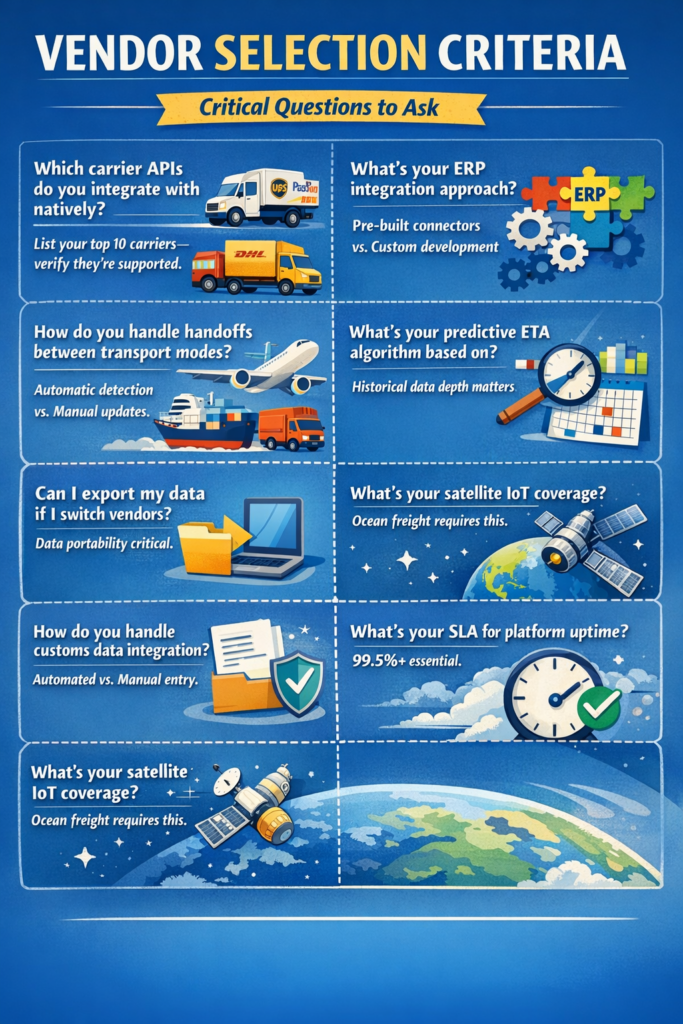
Find out more about selecting vendors in our new 2026 guide to visibility platforms.
Based on 20+ years experience of implementing 100s of GPS tracking projects, we have written this easy-to-read best practice guide and checklist to help you plan and implement GPS tracking and realtime visibility solutions.
Download Your Free 2026 Guide Here
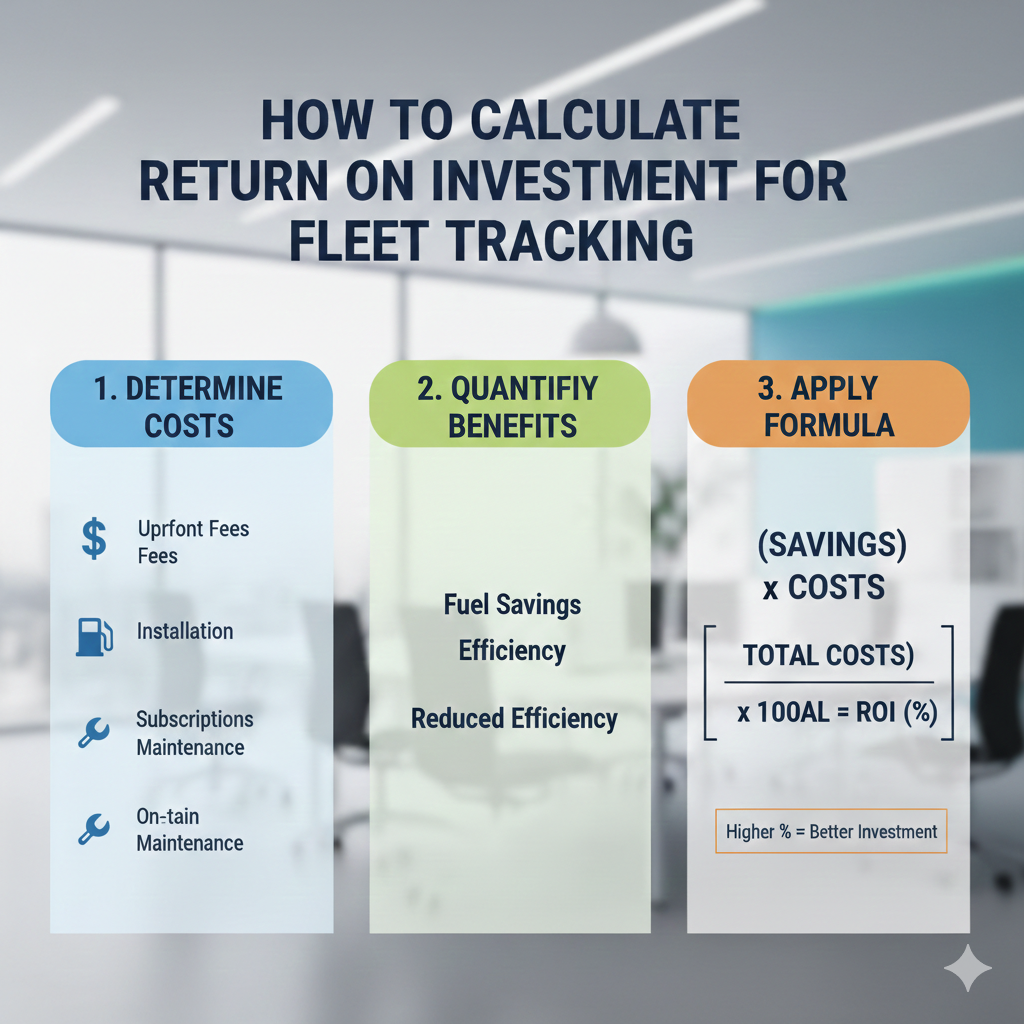
What ROI justifies real-time IMP monitoring versus data loggers?
- IMP replacement cost: £100,000-£500,000 per failed shipment (manufacturing, testing, shipping)
- Temperature excursion prevention value: One prevented failure = 5-10 years monitoring costs
- Trial timeline protection: Prevented 30-day delay from replacement manufacturing = £200,000-£1M opportunity cost
- Regulatory compliance: Real-time monitoring demonstrates quality commitment improving inspection outcomes
- Investigator site satisfaction: Proactive excursion management reduces site burden and improves enrollment
Strategic Tracking: Clinical Trial Logistics Consultancy
Strategic Tracking connects enterprise buyers with pre-vetted tracking technology vendors across GPS, BLE, UWB, RFID, and IoT platforms. Our vendor-agnostic consultancy ensures optimal technology selection based on your specific use case, compliance requirements, and budget.
For vendor selection and implementation planning, contact us or visit https://www.strategictracking.com/realtime-shipment-tracking-in-critical-cold-chain-and-pharmaceutical-logistics/