70,000 Pints Stolen: Tracking High-Risk Drinks Cargo
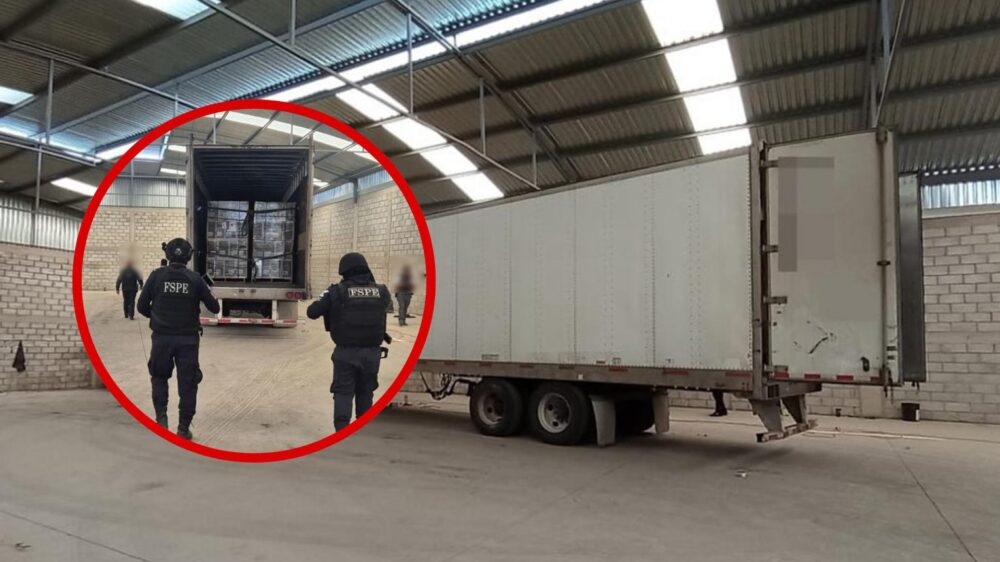
Drinks are a major global cargo-theft target. Discover how independent cargo tracking, smart labels, geofences and layered visibility can reduce risk.

Drinks are a major global cargo-theft target. Discover how independent cargo tracking, smart labels, geofences and layered visibility can reduce risk.
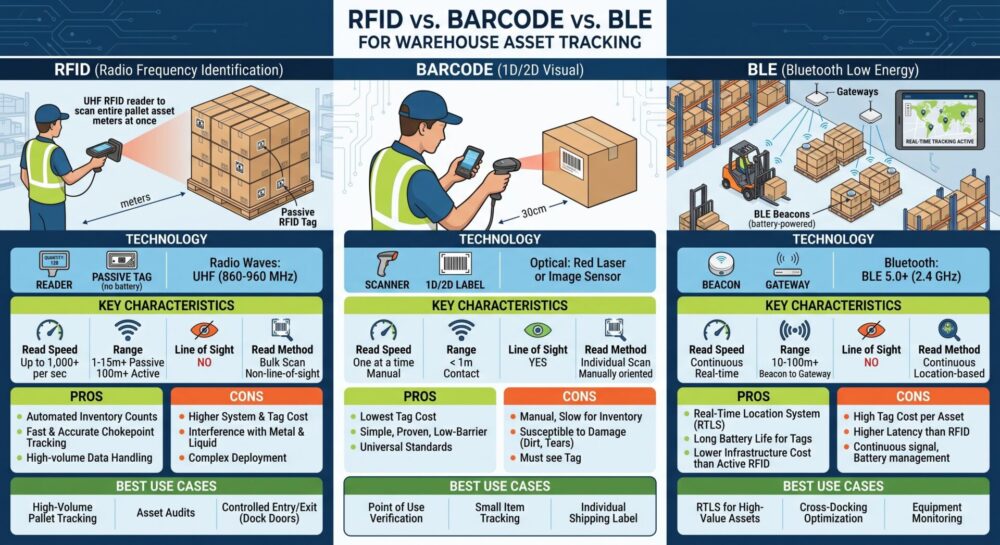
Choosing between RFID, barcode, and BLE for warehouse asset tracking? Explore a practical decision framework to match technology to your operational needs.
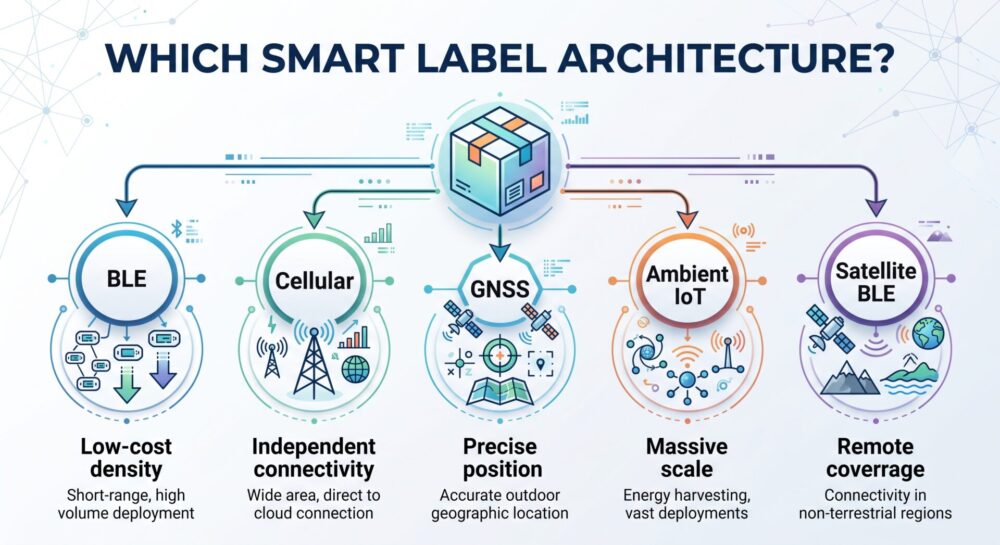
Smart labels increasingly combine BLE, cellular, GNSS, Ambient IoT and even satellite connectivity. We compare the architectures, their limitations and the questions logistics buyers should ask before selecting a tracker.
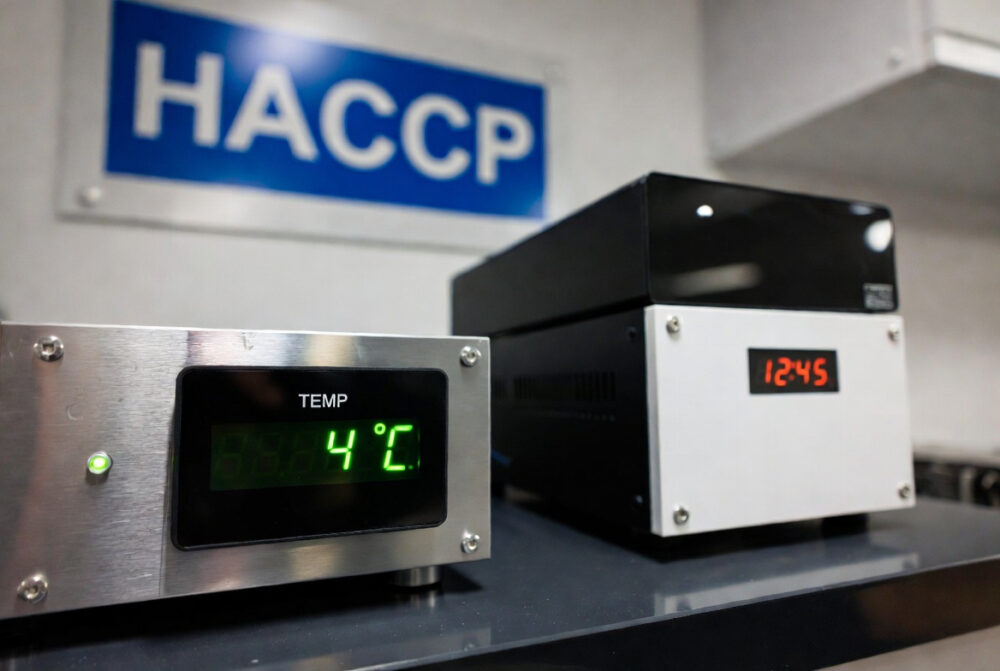
A guide to achieving HACCP compliance through automated temperature monitoring systems for multi-site restaurants, contract caterers, and food service operations. Includes regulatory requirements and ROI.

Don’t be fooled by cheap consumer trackers. This second part reveals the hidden financial and operational costs of using AirTags for enterprise logistics and details the 4 essential requirements for a compliant, ROI-positive tracking solution.

Don’t let AirTag’s low cost fool you. Veteran logistics consultant Matthew Holland explains the 5 technical and operational reasons why consumer tracking is a non-starter for business-critical supply chain visibility and compliance.
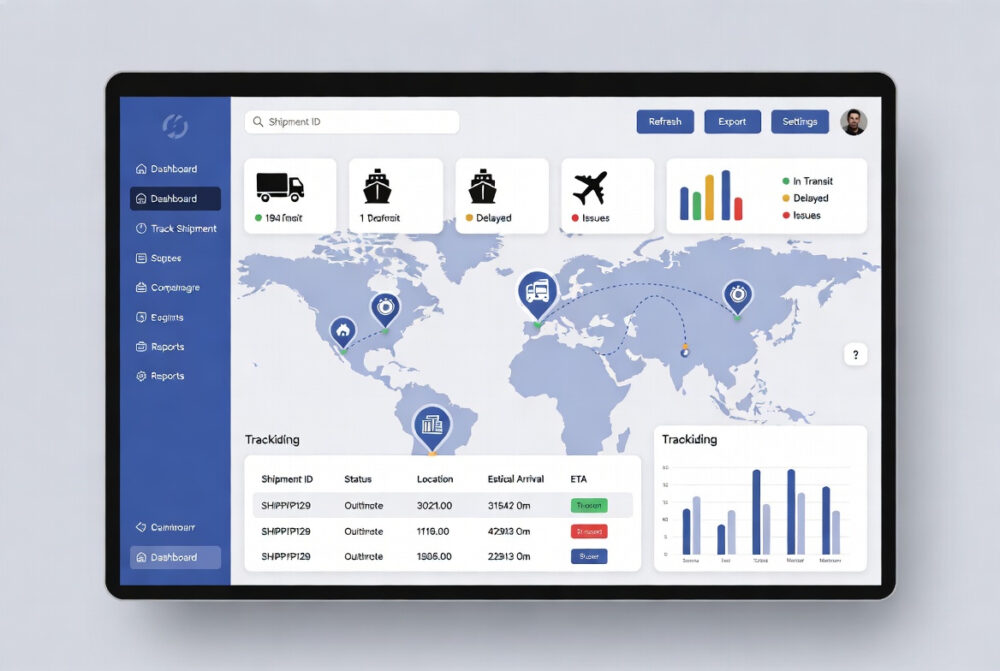
Learn how multi-modal supply chain visibility platforms eliminate blind spots by providing continuous tracking across ocean, air, rail, and road. See key vendors, ROI, and critical implementation steps.
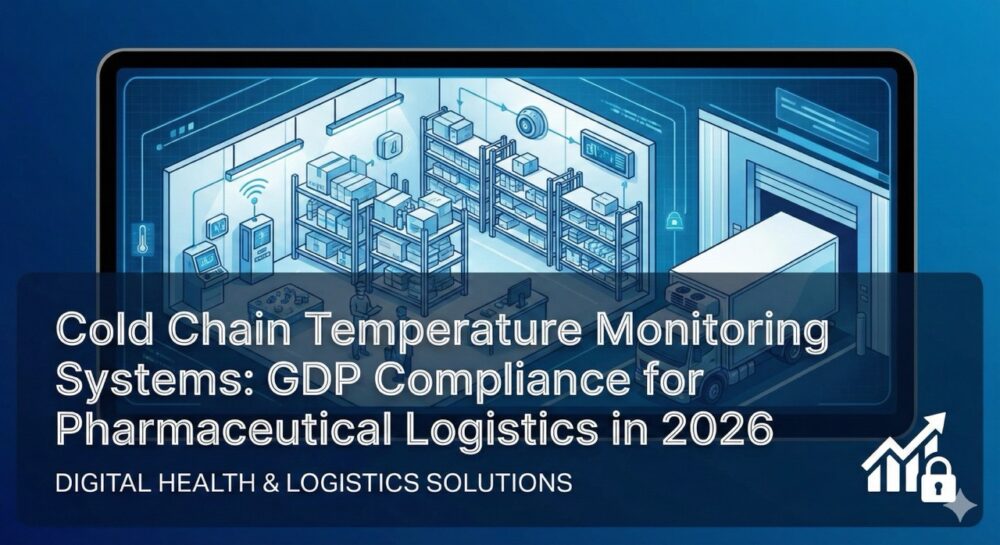
Cold chain temperature monitoring is defined as continuous real-time tracking of temperature-sensitive pharmaceutical shipments using GPS trackers with embedded temperature sensors to ensure GDP compliance and prevent product degradation
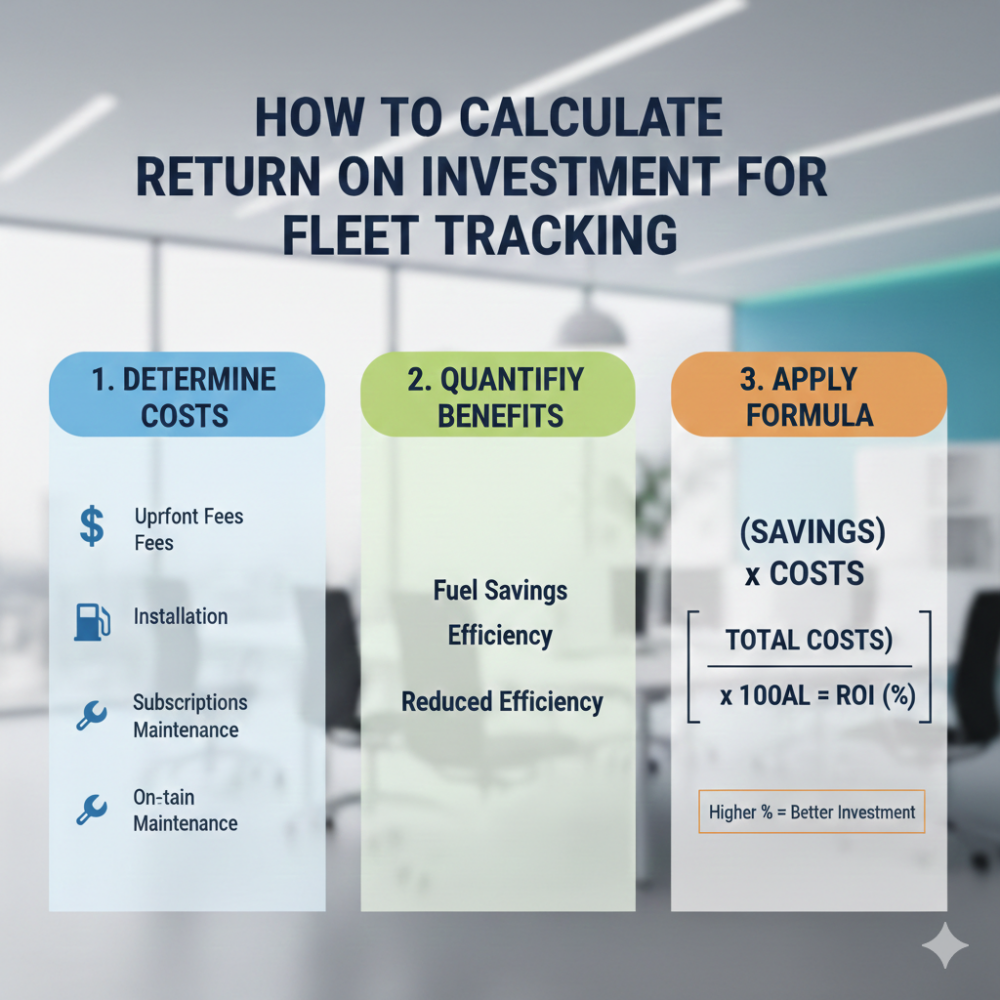
GPS tracking ROI is defined as the financial return from tracking system investments measured against total implementation costs including hardware, subscription fees, and integration expenses. Unlike basic cost analysis, GPS tracking ROI accounts for both direct savings from asset loss prevention and indirect benefits from operational efficiency gains.

Introduction In 2024, the logistics and supply chain industry continues to evolve with new tracking system innovations. In this episode of The […]