
Manufacturing & Industrial Supply Chains
Tracking for Manufacturing and Industrial Supply Chains
Improve visibility of production-critical materials, components, inter-plant movements, finished goods and returnable equipment. Strategic Tracking helps manufacturers and industrial logistics teams compare tracking devices, sensor technologies and connected platforms for the route, operating environment and response required.
- Vendor-neutral guidance
- Shipment and asset technologies
- Pilot, integration and lane analysis

Illustrative tracking data
- Component shipment in transitDevice assigned to a part or purchase order
- Hub dwell exceptionTime at location exceeds the expected window
- Plant arrival geofenceEntry into a receiving-site boundary
- Review requiredEvent routed to a named operational owner
When One Missing Shipment Can Affect an Entire Production Plan
Manufacturing logistics often operate with tight schedules, multiple tiers of suppliers and limited tolerance for uncertain arrival times. A delayed component, misplaced rack or unexpected handover can create expediting costs, rescheduling and avoidable disruption.
Tracking technology can provide independent location events, condition readings and operational alerts between planned milestones. Its value depends on selecting the right device, placing it correctly, integrating useful data and assigning people to act when an exception occurs.
Earlier exception awareness
Identify unexpected dwell, route changes, missed milestones or communication gaps for investigation.
Production-critical visibility
Give planners and logistics teams a clearer view of materials and components approaching a plant.
Condition evidence
Use appropriate sensors to record temperature, shock, vibration, tilt, humidity or light where product requirements justify them.
Reusable-item accountability
Understand the movement and availability of cages, pallets, racks, containers, tooling and other returnable equipment.
Where Tracking Can Support Industrial Operations
The correct approach changes with the item, journey, environment and action expected from the data.
Inbound Materials and Components
Monitor raw materials, assemblies and supplier components between origin, consolidation points and receiving plants. Arrival and dwell events can support planning and escalation when a movement departs from the expected process.
Production-Critical and Expedite Shipments
Add independent visibility to urgent components, line-down consignments and premium-freight movements where uncertainty has a high operational cost. Define who receives an alert and what action is possible before deployment.
Inter-Plant and Regional Transfers
Track stock, work-in-progress, engineering samples and components moving between factories, contract manufacturers, warehouses and regional facilities.
Outbound Finished Goods
Follow finished equipment, machinery, high-value assemblies and industrial products through export, distribution and customer delivery, including multimodal handovers.
Project, Service and Aftermarket Logistics
Improve visibility of spare parts, field-service kits, installation materials and project cargo moving to service centres, construction sites or customer operations.
Returnable Transport Items
Monitor pallets, stillages, racks, cages, totes, drums and specialist containers as they circulate between facilities and partners. Long-term reusable-item programmes should continue to the Industrial Asset Tracking guide.
Shipment Visibility and Asset Tracking Are Related but Not the Same
| Requirement | Typical approach | Important consideration |
|---|---|---|
| One-way component or freight shipment | Disposable cellular tracker or smart label | Journey duration, reporting rate, coverage and non-recovery economics |
| Repeated high-value shipment movements | Reusable cellular or multi-sensor tracker | Retrieval, charging, provisioning and assignment workflow |
| Returnable racks, cages or containers | Long-life cellular, BLE, LPWAN or hybrid asset tracker | Indoor/outdoor movement, gateway infrastructure and battery life |
| Tools or equipment inside a site | BLE, RFID, UWB or site-based location technology | Required accuracy, readers, zones and installation cost |
| Temperature- or shock-sensitive materials | Connected sensor monitor or data logger | Range, accuracy, calibration, placement and response workflow |
| Carrier and order milestone visibility | Carrier/API data, platform integration or control-tower feed | Data quality, normalisation and exception rules |
GPS/GNSS helps establish location outdoors when satellite signals are available. Temperature, shock and other conditions require dedicated sensors. Indoor location may require BLE, Wi-Fi, RFID, UWB, gateways or other infrastructure.
Choose Technology Around the Industrial Use Case
| Approach | Best suited to | Strengths | Questions to test |
|---|---|---|---|
| Disposable cellular tracker or smart label | One-way components, pallets and customer shipments | No device-return workflow; independent shipment events | Coverage, transmission rate, activation, battery and unit economics |
| Reusable cellular/GNSS tracker | Repeated lanes, project cargo and high-value movements | Configurable reporting and potentially broader sensor options | Recovery, charging, cleaning, loss and reprovisioning |
| Long-life industrial asset tracker | Returnable equipment, trailers, containers and non-powered assets | Multi-year monitoring may be possible at lower reporting rates | Installation, battery assumptions, environment and network coverage |
| BLE tag or beacon | Items circulating around equipped sites or networks | Compact, relatively low power and useful for zone-level visibility | Gateway density, third-party detection, indoor accuracy and ownership |
| RFID or site-based RTLS | Tools, materials or work-in-progress inside controlled facilities | Strong process integration and site-level identification | Reader infrastructure, tag orientation, accuracy and workflow change |
| Connected condition monitor | Sensitive parts, coatings, chemicals, electronics or materials | Remote sensor readings and configurable alerts | Sensor range, accuracy, calibration, placement and connectivity |
| Data logger | Evidence reviewed at destination | Detailed local record without continuous connectivity | Download process, calibration and inability to intervene remotely |
| Carrier/API visibility | Orders and shipments across contracted logistics networks | Scalable milestone coverage without placing a device on every movement | Dependence on carrier events, mapping quality and data latency |
Hybrid approaches are common. A manufacturer may combine carrier milestones with independent trackers on critical shipments, BLE for returnable items and a shared platform that normalises events across providers.
An Alert Has Value Only When It Leads to a Useful Decision
Events worth defining
- Shipment activated or dispatched
- Origin departure
- Expected hub or border movement
- Unexpected dwell or stop
- Route or geofence exception
- Plant arrival
- Communication or battery exception
- Temperature, shock, tilt or light event where supported
- Returnable item leaving or re-entering a defined site
- 01
Detect
A device, carrier feed or platform identifies an event or missing milestone.
- 02
Verify
Check timestamp, location confidence, network status, transport context and other available evidence.
- 03
Assess
Determine whether the event affects production, product quality, security or customer commitments.
- 04
Act
Contact the responsible supplier, carrier, plant, security or quality team under an agreed procedure.
- 05
Record
Preserve relevant event data, actions and outcome for operational review.
- 06
Improve
Analyse recurring dwell, coverage gaps and handover failures across completed journeys.
A single tracker event rarely proves theft, damage, mishandling or contractual responsibility. It should be interpreted with shipment records, carrier information, packaging evidence and established procedures.
Match Reporting and Sensors to the Consequence of Failure
Not every shipment needs the same level of tracking. A low-value replenishment item on a stable lane may be adequately served by carrier milestones. A production-critical component, specialist coating, battery, precision assembly or high-value machine part may justify independent location data, condition sensors or more frequent reporting.
Define what can realistically be changed while the shipment is moving. If no intervention is possible, destination-read evidence may still support quality decisions and lane improvement. Where an alert could trigger expediting, a carrier enquiry, alternate sourcing or receiving preparation, connected monitoring may provide greater operational value.
Decision prompts
- What happens if this item arrives late, damaged or outside specification?
- Which event would justify intervention?
- Who owns the response at each stage?
- Is location sufficient, or are condition sensors required?
- Does the device need to transmit during transit or only provide a destination record?
- Can the chosen device be used in the transport environment and countries involved?
Turn Device Events into Operational Context
Tracking becomes more useful when events can be associated with purchase orders, advance shipping notices, parts, suppliers, plants, lanes and production priorities. APIs and multi-provider platforms can help normalise device and carrier data before it reaches transport-management, ERP, warehouse, control-tower, service or analytics workflows.
Integration examples
- match a tracker or device identifier to a shipment, part or purchase order;
- create consistent departure, dwell, arrival and sensor events across providers;
- notify the relevant plant, logistics, quality or security team;
- expose selected status information without revealing sensitive operational data;
- compare completed lanes, suppliers and handovers;
- retain data according to agreed commercial, quality and privacy requirements.
Define the Requirement Before Comparing Devices
Item and process
- What material, component, finished product or returnable item is being tracked?
- Is the movement one-way, repeated or site-based?
- What is the operational consequence of delay, loss or condition deviation?
- How will the tracker be attached, activated, assigned and recovered?
Journey and environment
- Origins, destinations, countries and transport modes
- Factory, warehouse, container, trailer, aircraft or outdoor exposure
- Typical and maximum journey duration
- Metal enclosure, temperature, moisture, vibration and hazardous-area constraints
Data and response
- Required reporting frequency and milestones
- Location accuracy or zone-level visibility required
- Sensor types, range, accuracy and calibration needs
- Alerts, escalation owners and hours of operation
- API, ERP, TMS, WMS or analytics requirements
- Data retention, access and cybersecurity requirements
Commercial scale
- Annual shipment or asset volume
- Reusable recovery rate and handling cost
- Pilot volume and representative lanes
- Target deployment date and internal stakeholders
Test the Workflow, Not Just the Hardware
A representative pilot should test the full operating model, from provisioning and attachment to connectivity, alert handling, recovery and reporting. Do not judge a solution from one ideal journey.
| Measure | Pilot question |
|---|---|
| Activation and assignment | Can operators reliably link the device to the correct shipment or asset? |
| Coverage and event completeness | Are useful events produced across representative plants, routes and enclosures? |
| Timeliness | Does data arrive soon enough for the intended response? |
| Battery performance | Does observed performance support the real reporting profile and journey duration? |
| Sensor suitability | Are range, accuracy, calibration and placement appropriate? |
| Alert quality | Are rules actionable without excessive false or ambiguous exceptions? |
| Operational adoption | Can suppliers, plants, carriers and control teams perform the required workflow? |
| Integration | Can data be mapped reliably into the intended systems and identifiers? |
| Recovery and reuse | For reusable units, can return, charging, cleaning and reprovisioning be sustained? |
| Economics | Does the full operating cost align with the consequence and value of the use case? |
Design for Real Industrial Conditions
- Satellite positioning can be reduced or unavailable indoors and inside metal structures, containers or vehicles.
- Cellular, LPWAN and gateway-based transmission depends on compatible coverage and local infrastructure.
- Some devices store readings and upload them after connectivity returns; this is not continuous live visibility.
- Battery life changes with reporting frequency, signal conditions, sensors, temperature and device age.
- Indoor accuracy varies by technology, site layout, gateway density and installation.
- Sensor readings depend on specification, calibration, response time, placement and thermal or mechanical coupling.
- Aircraft use may require appropriate documentation, flight-mode behaviour and carrier or airline acceptance.
- Hazardous or explosive environments may require specifically certified equipment; do not infer suitability from a generic product description.
- Tracking data supports operational decisions but does not replace physical security, packaging, quality systems, inventory controls or contractual processes.
Independent Guidance Across Devices, Networks and Platforms
Strategic Tracking helps organisations define the operational requirement before selecting technology. We can compare device types and providers, establish pilot measures, support data integration and review completed journeys without beginning with one preferred manufacturer or connectivity model.
- Vendor-neutral technology and supplier comparison
- Experience across cellular, GNSS, BLE, LPWAN, sensors and platform data
- Support for both shipment visibility and reusable industrial assets
- Pilot, integration and lane-analysis expertise
Related Solutions
Industrial Asset Tracking
Track reusable equipment, tooling, returnable packaging, trailers, containers and non-powered assets.
Disposable Freight Tracking
Compare single-use devices for one-way pallets, crates and multimodal industrial freight.
Shipment Integrity and Condition Monitoring
Compare temperature, shock, vibration, tilt, humidity and light-monitoring approaches.
High-Value and Theft-Sensitive Goods
Explore layered visibility for high-value components, machinery and sensitive industrial shipments.
Manufacturing and Industrial Tracking FAQs
What can be tracked in a manufacturing supply chain?
What is the difference between shipment tracking and industrial asset tracking?
Can GPS track components inside a factory?
Can industrial trackers monitor shock or temperature?
Will a tracker prevent a production delay or theft?
Can tracking data integrate with ERP, TMS or manufacturing systems?
Should we use disposable or reusable trackers?
How should an industrial tracking pilot be designed?
Define the Requirement Before Selecting the Device
Find the Right Tracking Approach for Your Industrial Supply Chain
Tell us what is moving, where it travels, what events matter and how your team could respond. Strategic Tracking can help you compare credible technologies and suppliers or structure an independent evaluation.
Independent guidance across devices, networks, sensors and platform integrations.

Tracking Tuesday: When Shipment Visibility Becomes a Cyber Risk
Satellite connectivity extends shipment visibility — and its cyber-risk surface. Seven questions buyers should ask about secure, resilient tracking.
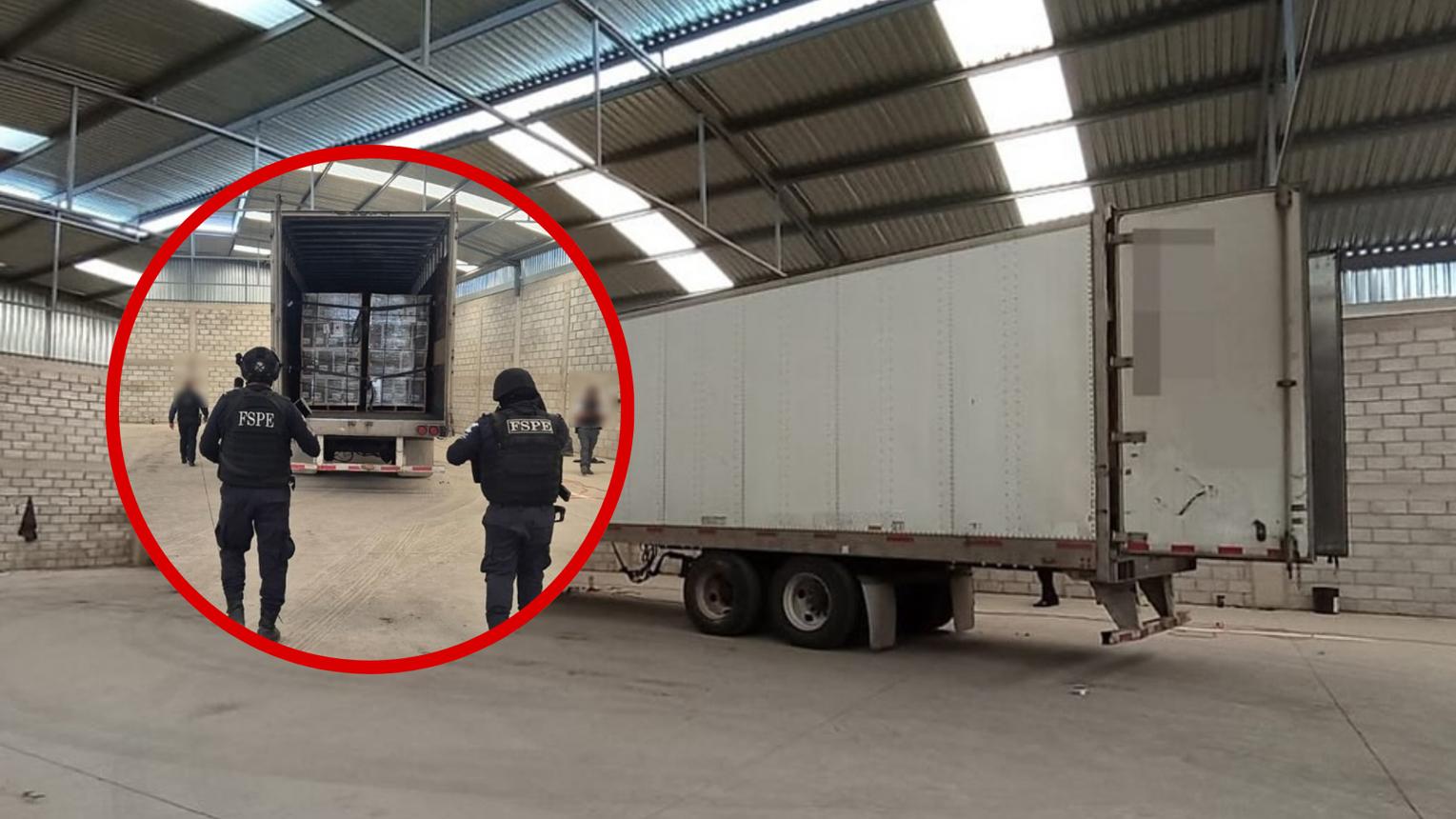
70,000 Pints Stolen: Tracking High-Risk Drinks Cargo
Drinks are a major global cargo-theft target. Discover how independent cargo tracking, smart labels, geofences and layered visibility can reduce risk.
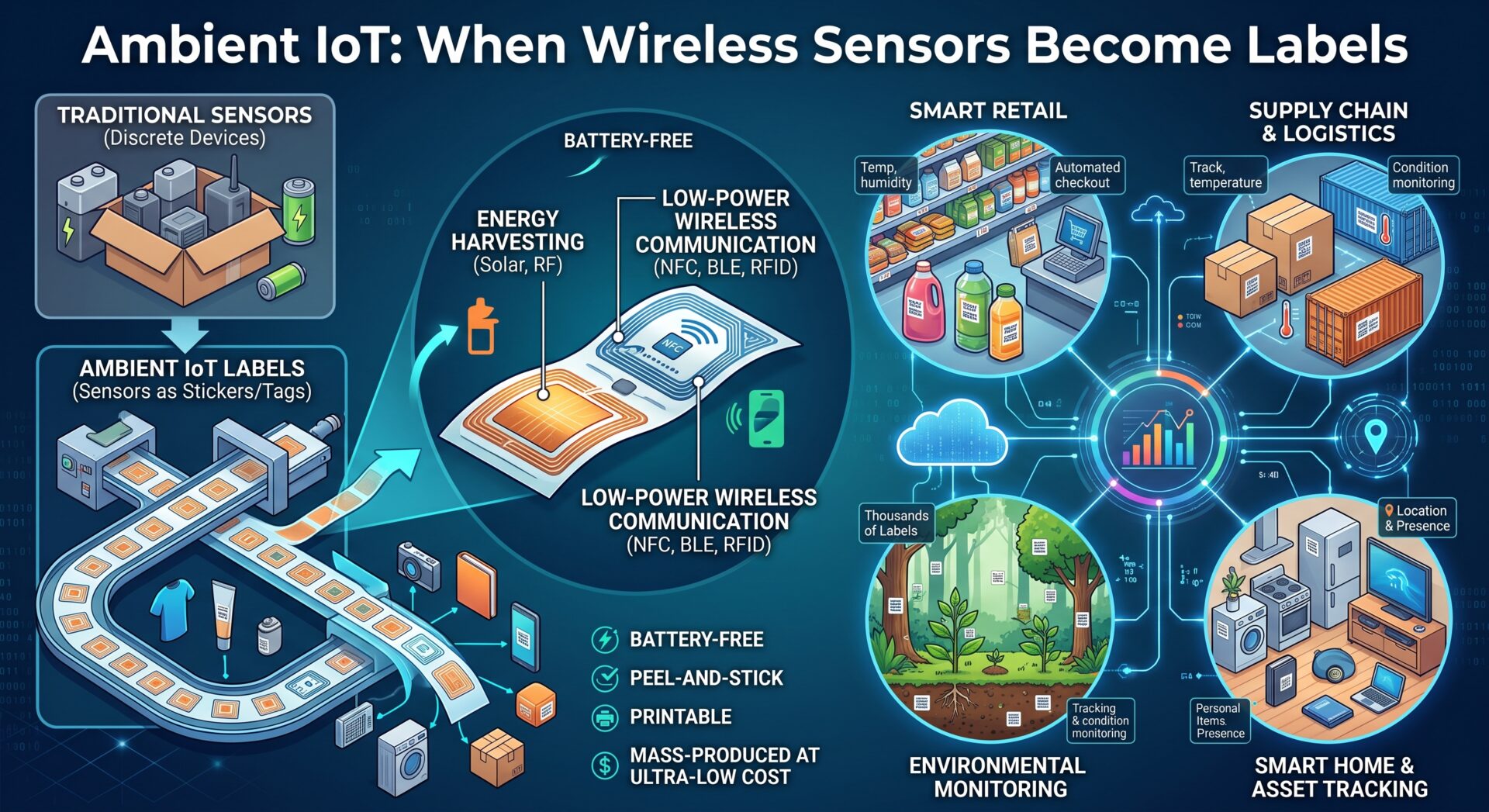
Tracking Tuesday: Ambient IoT: When Wireless Sensors Become Labels
Wiliot and CISC can test battery-free IoT Pixels at high volume. Discover why manufacturing economics may unlock ambient IoT supply chains.
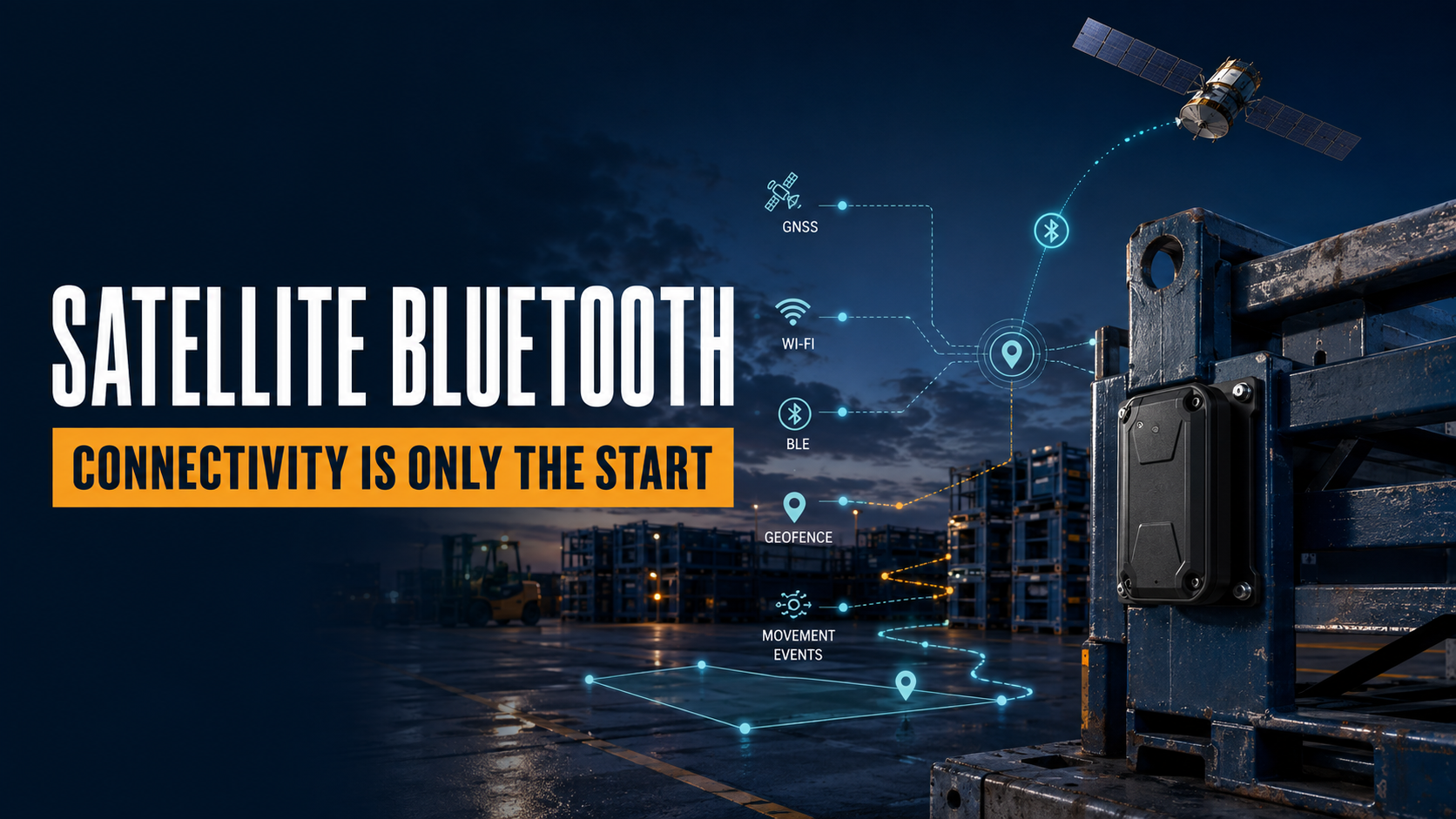
Satellite-Enabled Bluetooth Is Impressive—but Industrial Asset Tracking Needs More Than Connectivity
Hubble Network is extending Bluetooth signals to satellites, but industrial asset tracking requires more than a radio link. Explore the practical advantages of Sensolus for reusable, non-powered assets.