
Protect sensitive shipments with usable condition data
Shipment Integrity and Condition Monitoring Devices
Compare devices that monitor temperature, humidity, shock, vibration, tilt, light exposure and other conditions affecting products in transit. Strategic Tracking helps organisations define the requirement, compare suitable suppliers, evaluate devices and integrate monitoring data into operational workflows.
- Independent technology guidance
- Multiple solution providers
- Evaluation and integration support
Capabilities, accuracy, calibration, connectivity and operating ranges vary by product and must be verified for the intended shipment.

Illustrative monitoring data
Shipment SC-40912
Departed origin hub - in transit to destination
Temperature trend against threshold band
Allowed band 2 to 8 C
- Temperature
- 4.6 C
- Humidity
- 48 % RH
- Shock
- No event
- Light
- Closed
The category explained
What Is Shipment Condition Monitoring?
Shipment condition monitoring is the use of sensors, recorders or connected devices to capture environmental and physical events affecting goods during storage and transport. Depending on the device, this may include temperature, humidity, shock, vibration, tilt, light exposure, pressure or location.
Some monitors transmit data and alerts during the journey. Others record information for retrieval at destination, while simple indicators show whether a threshold has been exceeded. The right approach depends on the product risk, route, response workflow, evidence requirements and cost per shipment.
GPS or other location technology indicates where a shipment is or has been. Environmental sensors indicate what conditions it experienced. A device may combine both, but location tracking and condition monitoring are not the same capability.
Monitor what could affect the product
Which Shipment Conditions Matter?
Temperature
Records exposure to temperatures outside a defined range. Important selection factors include operating range, accuracy, resolution, sampling interval, sensor placement and calibration requirements.
Relative Humidity
Helps identify moisture conditions that may affect food, electronics, packaging, chemicals, materials or other humidity-sensitive goods.
Shock and Impact
Captures acceleration events that may indicate drops, collisions or rough handling. Threshold, duration, axis and mounting method can materially affect the result.
Vibration
Provides information about repeated movement or transport stress. Requirements should define frequency range, sampling method and how the data will be interpreted.
Tilt and Orientation
Indicates whether a consignment has exceeded an allowed angle or changed orientation. It is useful where products must remain upright, but sensor placement and activation rules matter.
Light and Opening
A change in light level can indicate that a package, trailer or container has been opened. It does not by itself prove theft, tampering or who caused the event.
Pressure and Other Sensors
Selected devices may monitor atmospheric pressure, gases or other application-specific conditions. Availability and specification vary considerably.
Location and Journey Context
Connected monitors may add GNSS, cellular, Wi-Fi or Bluetooth-derived location so teams can associate a condition event with a place or journey milestone.
More sensors do not automatically produce a better deployment. Select only the measurements that support a clear decision, investigation, release process or operational response.
From unknown exposure to usable evidence
Why Monitor Shipment Integrity?
Excursions Found Too Late
A temperature or handling problem is discovered only when the recipient opens or inspects the shipment.
Unclear Cause or Timing
Teams know a product is damaged but cannot identify when the relevant exposure or event occurred.
Fragmented Data
Location, sensor readings, carrier milestones and order information sit in separate systems.
Inconsistent Receiving Decisions
Recipients lack a clear, agreed process for reviewing data and escalating potential exceptions.
Limited In-Transit Intervention
A destination-read logger creates a record but cannot alert a team while corrective action may still be possible.
Excessive Monitoring Cost
A specification designed for the highest-risk shipment is deployed across every lane, even where a simpler approach may be sufficient.
Monitoring data can support quality, investigation and release workflows. It does not automatically determine product disposition, establish legal liability, identify the cause of damage or demonstrate regulatory compliance.
Choose the information and timing you actually need
Real-Time Monitor, Data Logger or Indicator?
Real-time connected condition monitor
- How data is accessed
- Transmits readings or events to a cloud platform when connectivity is available
- Best suited to
- High-value, time-critical or intervention-led shipments
- Main advantage
- Alerts may support action during the journey
- Important limitation
- Higher cost; reporting depends on configuration, power and connectivity
Electronic data logger
- How data is accessed
- Stores readings for download, USB/PDF retrieval or local wireless access
- Best suited to
- Shipment records and destination review
- Main advantage
- Detailed journey history without continuous connectivity
- Important limitation
- Usually cannot support live intervention
Threshold indicator
- How data is accessed
- Gives a visual, electronic or chemical indication that a defined condition occurred
- Best suited to
- High-volume, lower-cost screening
- Main advantage
- Simple receiving decision support
- Important limitation
- Limited context about when, where or for how long an event occurred
Reusable connected monitor
- How data is accessed
- Recovered, charged and reprovisioned for multiple journeys
- Best suited to
- Closed-loop or managed high-value logistics
- Main advantage
- Hardware cost can be spread across repeated use
- Important limitation
- Requires recovery, charging, cleaning, inventory and loss management
"Real time" normally means that a device reports according to its configured interval or event rules when a suitable network is available. It does not mean uninterrupted second-by-second communication in aircraft holds, metal containers, warehouses or every geography.
A destination-read logger is not an inferior real-time tracker; it is a different tool. If no one can act during transit and the primary requirement is an arrival record, a logger or indicator may be the better commercial and operational choice.
From specification to action
How Shipment Condition Monitoring Works
- 1
Define the Product and Risk
Identify the product, acceptable conditions, route, packaging, duration, transport modes and decision that the data must support.
- 2
Configure and Associate the Device
Set sampling, reporting and alert thresholds, then associate the monitor with the shipment, order, package, pallet or asset.
- 3
Capture Conditions During the Journey
The device records the selected measurements according to its sensor specification and configured rules.
- 4
Transmit or Retrieve the Data
Connected monitors upload when communications are available. Loggers retain readings for retrieval at destination. Indicators provide a threshold result.
- 5
Apply an Agreed Response
Alerts, reports and integrations route the information to the people responsible for intervention, investigation, receiving or product-disposition decisions.
The workflow is as important as the device. A technically accurate reading has limited operational value if no one owns the alert, understands the threshold or knows what action to take.
Match the data model to the decision
Do You Need In-Transit Alerts or a Journey Record?
Choose Connected Monitoring When...
- Someone can act before delivery.
- The product value or urgency supports the additional cost.
- Location context is useful for escalation.
- The route has suitable connectivity or delayed uploads still have value.
- Alerts can be integrated into a staffed workflow.
Choose a Logger or Indicator When...
- The primary decision happens at destination.
- A stored temperature or handling record is sufficient.
- Unit cost and operational simplicity are critical.
- Live connectivity is unavailable or unnecessary.
- The receiving team has a clear process for reading and reviewing the result.
Hybrid deployments are also possible: a connected monitor may be used for selected high-risk lanes, with lower-cost loggers or indicators used elsewhere.
Look beyond the headline sensor list
What Should You Compare Before Selecting a Device?
Measurement Performance
- Operating and measurement range
- Stated accuracy and resolution
- Sampling and logging interval
- Response time and sensor placement
- Calibration method, certificate and traceability where required
- Data storage capacity
Journey and Environment
- Longest realistic duration
- Packaging and sensor position
- Ambient, chilled, frozen or ultra-low-temperature exposure
- Road, ocean, air, rail and multimodal handling
- Aircraft-use requirements and carrier acceptance
- Enclosed cargo and weak-signal conditions
Connectivity and Alerts
- Cellular technologies and countries supported
- Store-and-forward behaviour
- Reporting and alert frequency
- Alert delivery channels and escalation rules
- Location method and expected indoor performance
- Roaming and platform-access duration
Operations and Data
- Activation and shipment association
- Single-use or reusable workflow
- Reports and raw-data availability
- API and webhook support
- User access, retention and export
- Recycling, disposal or return process
A broad temperature range, long battery life or high update frequency should not be accepted as a universal promise. Verify the specification under representative conditions, including low temperature, poor signal, expected packaging and the intended reporting configuration.
Make the measurement fit the purpose
Accuracy Is More Than a Number on a Datasheet
Sensor accuracy, calibration, response time, placement and sampling frequency all affect how monitoring data should be interpreted. A monitor positioned against a coolant pack may record a different profile from one placed beside the product, near the container wall or inside secondary packaging.
Define the required evidence before selecting the device. For regulated or quality-controlled processes, confirm whether calibration certificates, traceability, validation, data integrity controls or specific reporting formats are required. These requirements should be assessed for the complete process, not assumed from the presence of a temperature sensor.
An alert threshold is an operational rule, not automatically a product-disposition decision. Where relevant, specify temperature, duration, cumulative exposure, alert delay and escalation ownership with the appropriate quality or technical team.
Plan for real transport environments
What Happens When a Monitor Cannot Connect?
Cellular and satellite positioning can be limited inside aircraft holds, metal containers, insulated packaging, warehouses and dense cargo. A connected device may continue recording readings locally and upload them after coverage returns, if that behaviour is supported by the product.
Air transport requires particular care. Device documentation, battery chemistry and capacity, transmission behaviour, flight mode, airline acceptance and route-specific operating requirements should be checked before deployment. Do not describe a category as universally "airline approved".
A gap in live communication does not necessarily mean a gap in recorded sensor data. Confirm local memory and store-and-forward behaviour before selection.
Apply the technology to the product risk
Where Are Condition-Monitoring Devices Used?
Food & Beverage Logistics
Monitor temperature and humidity risks affecting chilled, frozen, fresh and other sensitive products, with reporting and alerting selected around the lane and operating process.
Cold Chain & Pharmaceutical Logistics
Combine suitable location, temperature and journey data for medicines, biologics, clinical materials and other controlled shipments, subject to the organisation's quality and validation requirements.
Retail & Ecommerce
Use shock, light, location or temperature events where high-value, fragile or sensitive products need additional evidence beyond courier milestones.
Manufacturing & Industrial Supply Chains
Monitor production-critical parts, electronics, chemicals, machinery and other goods where excessive impact, orientation, moisture or delay may affect usability.
Ultra-low-temperature monitoring
Dry Ice Shipment Recorders
Dry ice shipments present a specialist monitoring environment. The selected recorder must be assessed for the intended ultra-low-temperature range, operating duration, packaging arrangement, activation process, data retrieval and required documentation.
Strategic Tracking's existing guide explains the role of recorders designed for dry-ice shipments and the practical questions buyers should consider.
Turn readings into workflow
Connect Condition Data to the People and Systems That Need It
A monitoring platform may provide dashboards, alerts, reports, APIs and webhooks. Integration can associate readings with orders or shipments, route exceptions to the correct team and consolidate data from more than one device provider.
Before integration, define the event, recipient, escalation path, required context and system of record. Avoid sending every raw reading as an alert. The objective is to create an actionable exception with enough information for a consistent response.
- Email, SMS or app alerts where supported
- Threshold and duration rules
- Shipment and order association
- APIs and webhooks
- TMS, ERP or visibility-platform integration
- Multi-provider data consolidation
- Exportable reports and audit history
- Customer or recipient views
Independent selection and deployment support
From Monitoring Requirement to Controlled Evaluation
- 1
Define the Requirement
Establish the product, risk, route, required measurements, evidence, alert response and commercial constraints.
- 2
Compare Suitable Approaches
Review connected monitors, loggers, indicators and reusable options from relevant providers.
- 3
Evaluate Representative Shipments
Test activation, sensor placement, battery, connectivity, reports, alerts, receiving workflow and data access under realistic conditions.
- 4
Prepare for Deployment
Confirm operating procedures, escalation ownership, training, integration, supply continuity and review measures.
- Vendor-neutral technology comparison
- Multiple solution-provider options
- Device, platform and connectivity evaluation
- Pilot and integration support
Prepare a useful requirement
Information to Include in Your Quotation Request
- Product and packaging type
- Origin, destination and countries in transit
- Transport modes and airline use, if relevant
- Expected and maximum journey duration
- Required measurements and acceptable ranges
- Sampling and reporting frequency
- Live-alert or destination-record requirement
- Accuracy and calibration requirements
- Disposable or reusable preference
- Annual shipment volume
- Platform, report, API or integration requirements
- Planned response to an excursion or handling event
Common questions
Shipment Condition Monitoring FAQs
What is a shipment condition-monitoring device?
What is the difference between a data logger and a real-time monitor?
Is GPS tracking the same as condition monitoring?
Can a condition monitor prevent temperature excursions or damage?
Do all condition monitors provide live alerts?
What conditions can shipment monitors measure?
Do condition-monitoring devices work inside aircraft or shipping containers?
Does a temperature monitor make a shipment compliant?
Should I use a disposable or reusable monitor?
Can condition-monitoring data integrate with a TMS or ERP?
How do I choose the correct temperature range and accuracy?
Can Strategic Tracking help compare suppliers?
Related guidance
Continue Your Evaluation
Disposable GPS Trackers and Package Tracking Devices
Compare single-use location trackers for one-way parcel, pallet and freight shipments.
Visibility Platform Integrations & Services
Connect device data, alerts and exceptions to the platforms and teams that act on them.
Realtime Visibility Consultancy & Use Case Evaluation
Define the use case, success measures and evaluation plan before committing to hardware.
Start with the shipment and the decision
Find the Right Condition-Monitoring Approach
Tell Strategic Tracking what you are shipping, which conditions matter, where it is travelling and how the data will be used. We can identify relevant providers and help you compare connected monitors, data loggers, indicators and reusable solutions.
One requirement - Multiple suitable approaches - Independent selection support
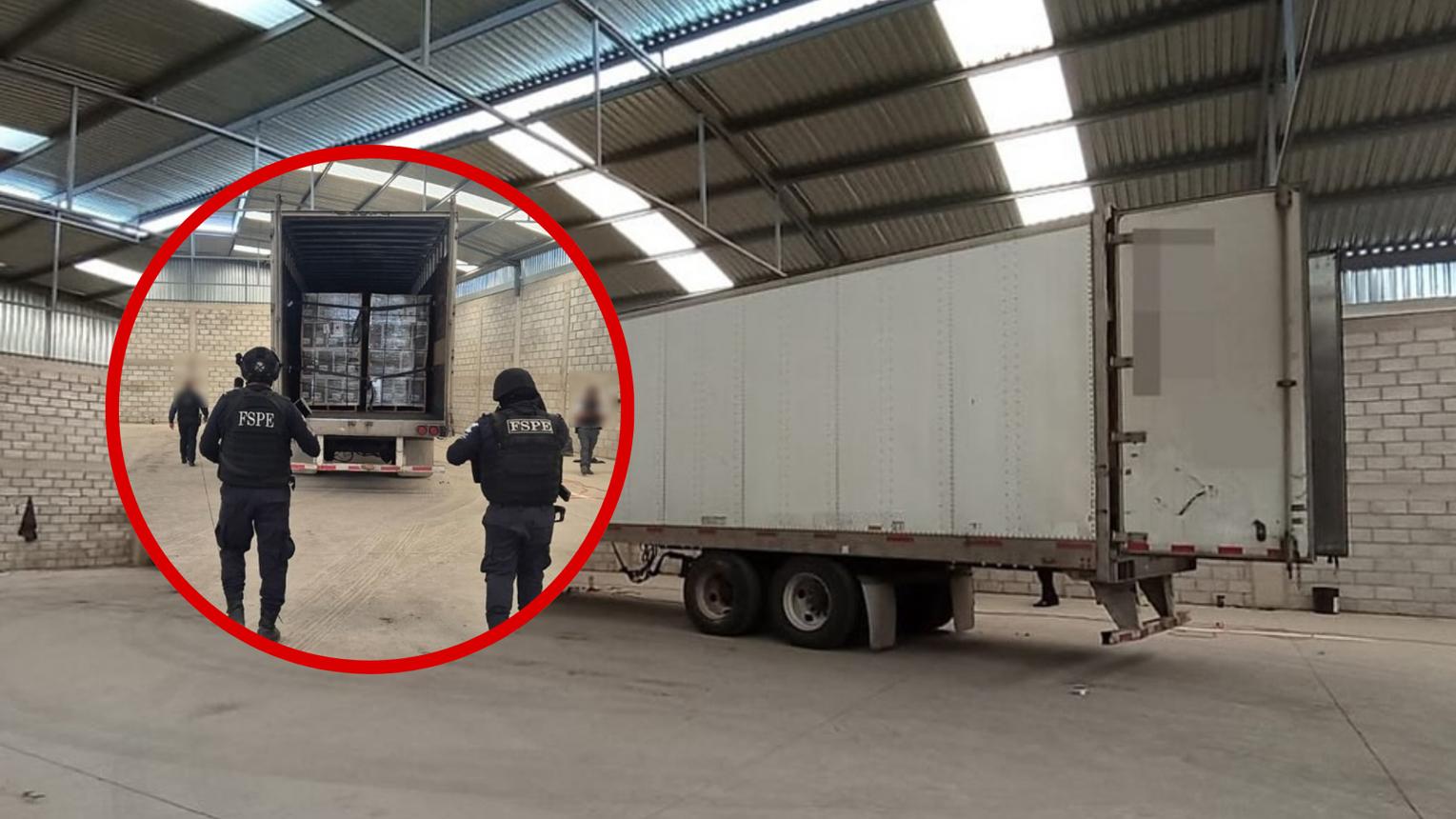
70,000 Pints Stolen: Tracking High-Risk Drinks Cargo
Drinks are a major global cargo-theft target. Discover how independent cargo tracking, smart labels, geofences and layered visibility can reduce risk.
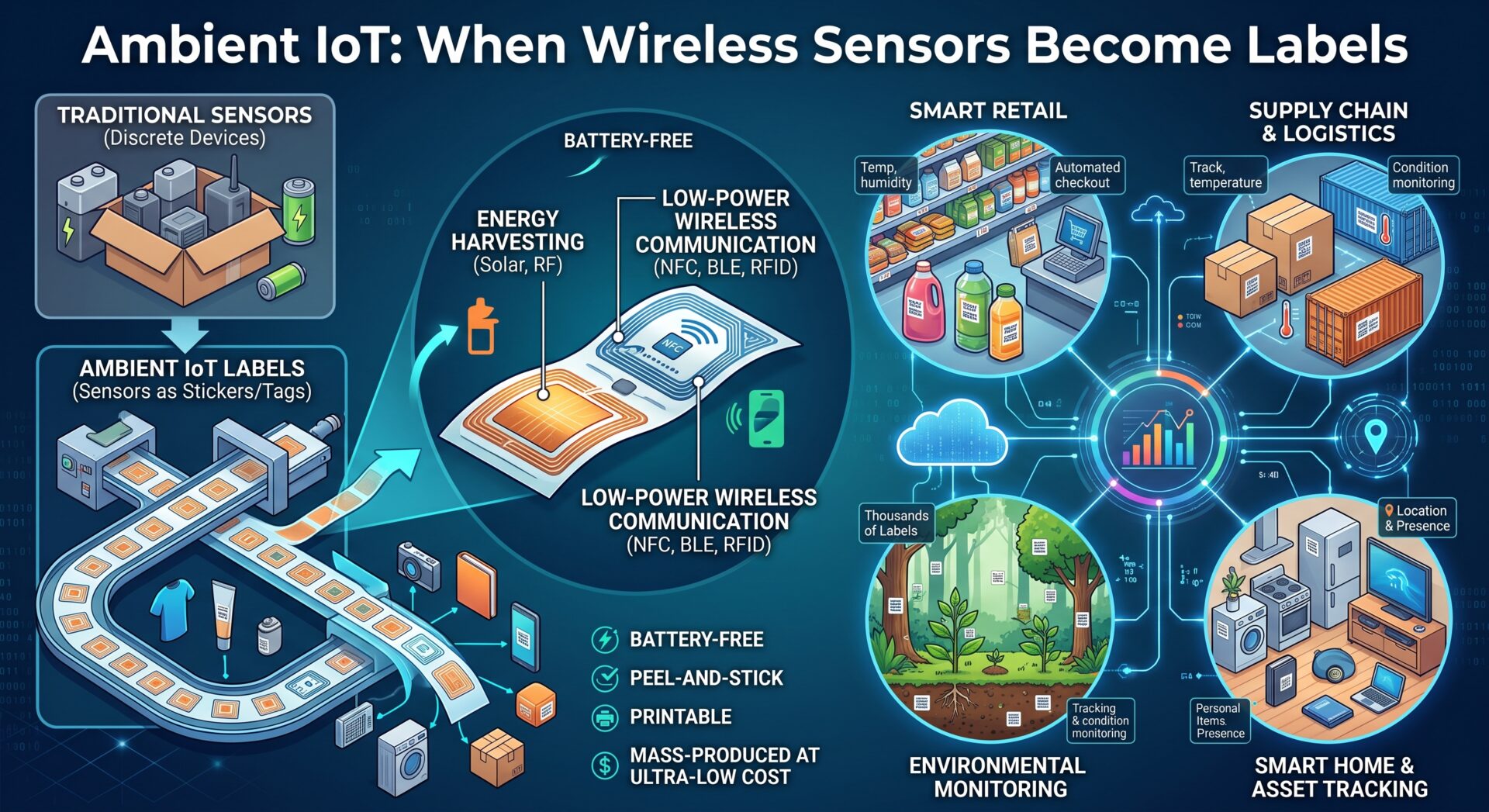
Tracking Tuesday: Ambient IoT: When Wireless Sensors Become Labels
Wiliot and CISC can test battery-free IoT Pixels at high volume. Discover why manufacturing economics may unlock ambient IoT supply chains.
Satellite-Enabled Bluetooth Is Impressive—but Industrial Asset Tracking Needs More Than Connectivity
Hubble Network is extending Bluetooth signals to satellites, but industrial asset tracking requires more than a radio link. Explore the practical advantages of Sensolus for reusable, non-powered assets.
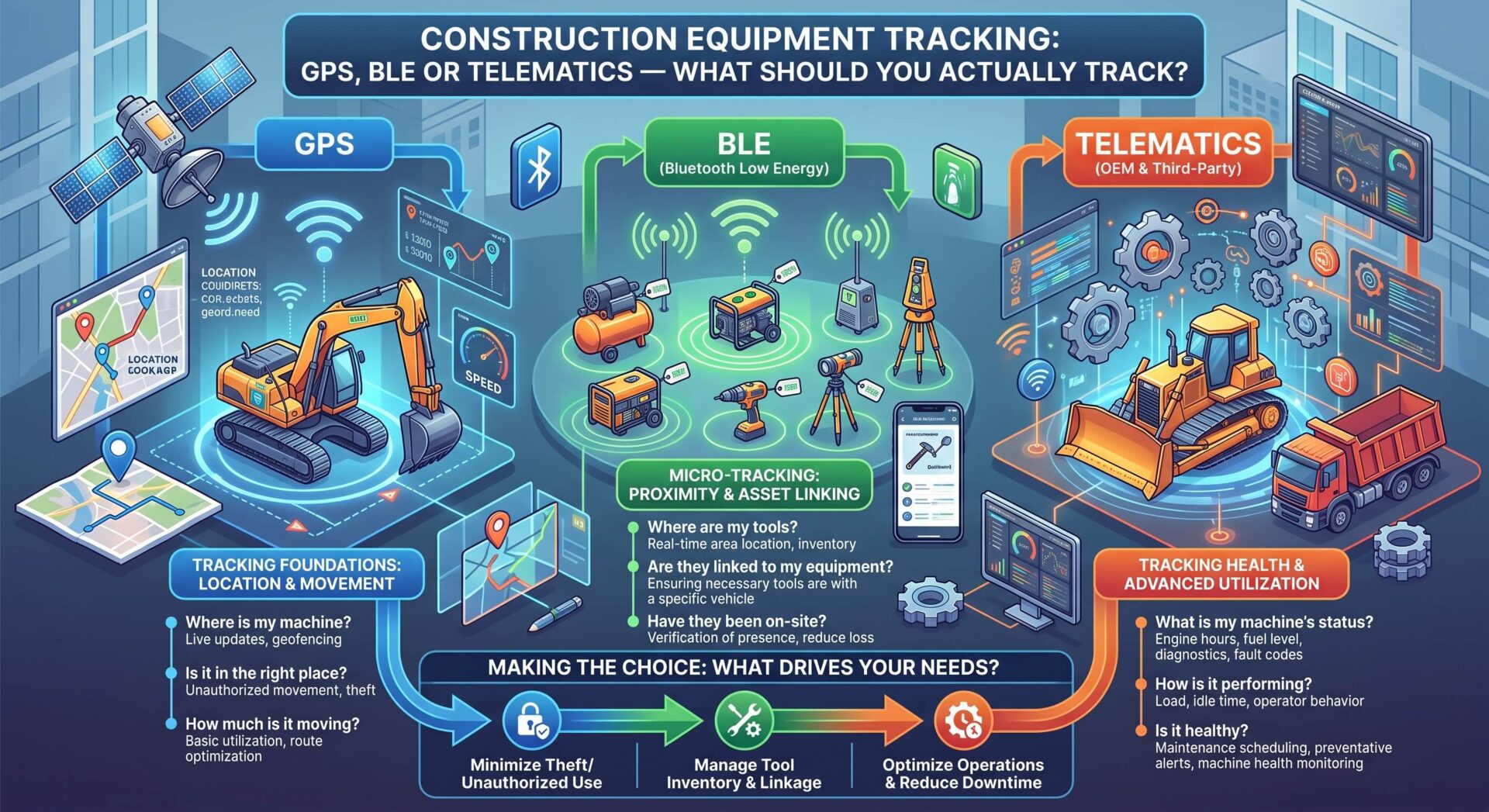
Construction Equipment Tracking: GPS, BLE or Telematics — What Should You Actually Track?
Which construction assets should you track? Compare GPS, cellular, BLE and existing telematics for plant, attachments, tools and rental equipment.