
Independent Visibility Advisory
Real-Time Visibility Consultancy & Use-Case Evaluation
Define where tracking and condition-monitoring technology can create operational value before committing to devices, platforms or a large deployment. Strategic Tracking helps organisations evaluate use cases, compare approaches, design representative pilots and turn the results into practical next steps.
- Independent and requirements-led
- Shipment, condition and asset visibility
- Technology and supplier comparison
- Pilot design and implementation planning
Need to define the problem, pilot or business case? Discuss a visibility project. Already know what you need to track and want suitable devices or quotations? Use Quick Quote.

Illustrative visibility data
What an evaluation clarifies
- Decision
- What action better data should support
- Scope
- Journeys, assets, products and events
- Data
- Location, condition, milestone or identity
- Response
- Alert owner, time frame and system
- Evidence
- Measures needed for a deployment decision
Values and labels shown are illustrative only, not project results.
Start with the decision, not the device
What Decision Should Better Visibility Help You Make?
A map, sensor reading or alert has value only when it helps someone make a better decision or take a useful action. The first stage is therefore to define the operational problem, the people affected, the response window and the evidence needed - not to choose a tracker from a feature list.
Delay and Dwell
Identify where shipments, containers or mobile assets are spending longer than expected and determine which exceptions justify intervention.
Temperature and Condition
Understand when temperature, humidity, shock, tilt, vibration or light data could support intervention, investigation or quality review.
Theft, Diversion and Unauthorised Events
Evaluate whether location, movement, geofence, door or light events can provide earlier warning or stronger journey evidence within a wider security process.
Asset Availability and Utilisation
Locate returnable equipment, identify long dwell and improve the evidence used to recover, rebalance or redeploy operational assets.
Customer and Partner Visibility
Decide which milestones, exceptions or estimated-arrival information should be shared, with whom, and through which system or workflow.
Performance and Root-Cause Analysis
Build a more reliable record of journeys, handovers and exceptions to support supplier reviews, process improvement and future planning.
Tracking can improve the timeliness and quality of information, but it does not by itself prevent delay, theft, damage or temperature excursion. Value depends on the operating process built around the data.
Right starting point
Is This the Right Starting Point for Your Project?
Use-Case Evaluation Is Appropriate When...
- the operational problem is understood but the right technology is not;
- several departments or partners have different requirements;
- the business is comparing devices, networks, platforms or supplier models;
- a pilot needs defensible success criteria;
- an existing proof of concept produced data but no clear deployment decision;
- integration, alert ownership or data-sharing questions remain unresolved;
- the project must balance benefit, device cost and operational workload;
- the organisation wants an independent review before making a larger commitment.
Quick Quote May Be Enough When...
- the item, lane, duration and volume are already defined;
- the required sensor data and reporting frequency are known;
- the preference for single-use or reusable devices is established;
- the buyer mainly needs products, samples, suppliers or indicative pricing.
Consultancy scope
From Operational Question to Deployment Decision
The scope should be proportionate to the decision. A focused use-case assessment may be sufficient for an early-stage opportunity; a multi-lane or multi-stakeholder programme may require deeper process mapping, supplier evaluation, pilot support and implementation planning.
- 01
Define the Problem and Decision
Clarify the current process, failure modes, costs, affected stakeholders and decisions that better data should support. Identify what happens today when information is late, incomplete or unavailable.
Typical outputs
- problem statement
- stakeholder map
- prioritised use cases
- baseline process and pain points
- initial assumptions and constraints
- 02
Specify Data and Response Requirements
Define the location, condition, milestone or identity data required; the useful reporting window; alert thresholds; escalation ownership; retention needs; and the systems or partners that must receive the information.
Typical outputs
- requirements matrix
- event and alert catalogue
- user and data-consumer map
- connectivity and operating constraints
- acceptance criteria
- 03
Evaluate Technology and Suppliers
Compare relevant combinations of devices, sensors, connectivity, platforms and commercial models. Assess fit against the use case rather than selecting on feature count alone.
Typical outputs
- technology options assessment
- supplier shortlist
- request-for-information or evaluation criteria
- risks, dependencies and open questions
- total-cost considerations
- 04
Design a Representative Pilot
Select journeys, assets, routes and operating conditions that reflect the proposed deployment. Establish activation, placement, handover, monitoring and retrieval procedures before the trial begins.
Typical outputs
- pilot protocol
- route and sample plan
- roles and responsibilities
- training checklist
- success measures and review schedule
- 05
Evaluate Evidence and Operational Fit
Review data completeness, sensor performance, connectivity behaviour, alert usefulness, response times, usability, integration effort and operational burden. Record limitations and failed assumptions as well as successes.
Typical outputs
- pilot scorecard
- exception and failure analysis
- stakeholder feedback
- value and cost assessment
- recommendation to proceed, adapt, retest or stop
- 06
Plan Deployment and Improvement
Translate the evidence into an implementation roadmap covering supplier responsibilities, integrations, workflows, governance, training, support, reporting and future review.
Typical outputs
- phased deployment roadmap
- implementation risks and mitigations
- governance and support model
- KPI framework
- next-phase requirements
Outputs vary by agreed scope. Not every engagement includes every item listed here.
What gets evaluated
A Useful Evaluation Goes Beyond Tracker Specifications
Operational Fit
- What is being shipped, monitored or reused?
- Where and by whom will devices be activated, attached, handled and recovered?
- Which exception can still be acted upon?
- Who owns each alert and escalation?
- What happens outside normal working hours?
- How much additional work does the process create?
Technical Fit
- Required sensors and measurement range
- Sampling versus transmission intervals
- GNSS, cellular, Wi-Fi, BLE, RFID or network-derived location
- Store-and-forward behaviour during connectivity gaps
- Battery life under the intended configuration
- Device size, attachment, protection and environmental rating
- Platform, API, webhook and data-export capability
- Airline, hazardous-area or other operating restrictions where relevant
Commercial Fit
- Device purchase, rental or per-trip model
- Platform, connectivity, integration and support costs
- Single-use versus recovery and reverse-logistics costs
- Internal handling, training and alert-response workload
- Expected deployment volume and seasonality
- Supplier resilience, service coverage and contractual dependencies
Governance and Evidence
- Data ownership, access and retention
- Privacy and employee-monitoring implications
- Calibration and validation requirements
- Audit trail and report needs
- Partner data sharing and access controls
- Cybersecurity, API credentials and user permissions
- Product-disposition or compliance decisions that remain with authorised personnel
Choosing the right approach
Real Time Is One Option, Not the Starting Assumption
The best answer may combine several data sources. The evaluation should compare the cost, timeliness and operational value of each approach rather than assume that more frequent data is always better.
Carrier and logistics-platform events
Useful when
Milestones and estimated movement are sufficient
Limitations to test
Events may be delayed, inconsistent or limited between partners
Connected shipment monitor
Useful when
In-transit location or condition events may support action
Limitations to test
Communication depends on configuration, network availability and operating environment
Destination-read data logger
Useful when
A post-journey condition record is the main requirement
Limitations to test
It generally cannot support intervention while the shipment is moving
Smart label or low-profile cellular device
Useful when
Size, cost or one-way deployment makes conventional trackers impractical
Limitations to test
Reporting, battery, attachment and network behaviour must be assessed in the actual use case
Reusable cellular/GNSS tracker
Useful when
Repeated journeys justify recovery, charging and device management
Limitations to test
Reverse logistics, availability and maintenance add operational work
BLE, RFID, Wi-Fi or RTLS
Useful when
Indoor, site-based or gateway-supported visibility is required
Limitations to test
Coverage depends on readers, gateways or surrounding infrastructure
Telematics or equipment-native data
Useful when
Vehicle, trailer, reefer or machine data already exists
Limitations to test
Access, granularity, ownership and cross-provider consistency can vary
"Real time" should mean data transmitted according to configured rules when a suitable connection is available. It should not be presented as uninterrupted, second-by-second visibility in every location.
Pilot design
Design the Pilot to Support a Decision
A pilot should be more than a handful of devices placed on convenient journeys. It should test the operating conditions, exceptions and user behaviours that could determine whether a larger deployment succeeds.
Recommended pilot-design questions
- Which routes, products, carriers, facilities and journey durations are representative?
- Which difficult environments or known black spots should be included?
- What is the unit of analysis: shipment, package, pallet, container, trailer or asset?
- How will devices be activated, placed, associated with a shipment and decommissioned?
- Which data will be compared with a reference source or current process?
- Who receives alerts, what action is expected and how will the response be recorded?
- Which technical failures and operational exceptions must be logged?
- What minimum evidence is required to make a deployment decision?
Example pilot scorecard
| Dimension | Example measures |
|---|---|
| Data capture | Activation success, sensor records, association with the correct shipment or asset |
| Connectivity | Transmission availability, delayed uploads, gaps by environment or route |
| Location usefulness | Accuracy or event relevance for the intended operational decision |
| Condition monitoring | Sensor range, stability, placement effect, threshold-event usefulness |
| Alerts and response | Alert precision, time to acknowledgement, action taken, false or unactionable alerts |
| Usability | Activation time, training needs, handling errors, dashboard comprehension |
| Integration | API completeness, identifier matching, event mapping, exception workflow |
| Commercial fit | Per-journey or per-asset cost, operational labour, retrieval and support requirements |
| Decision value | Evidence that the data changed or could change a defined operational decision |
Targets and pass/fail thresholds must be agreed for the actual use case. Generic performance targets do not apply to every technology, route or industry.
Data, integration and standards
Plan How Visibility Data Will Be Used
A successful device trial can still fail to become an operational capability if data remains in a separate portal, identifiers do not match business records or alerts have no owner. The evaluation should therefore identify data consumers, event definitions, integration points and governance requirements early.
Topics to assess
- shipment, order, consignment and asset identifiers;
- device-to-object association and activation events;
- milestone, location, sensor and exception data;
- APIs, webhooks, exports and reporting requirements;
- TMS, WMS, ERP, control-tower, quality and customer-service workflows;
- master data, time zones, units and threshold definitions;
- role-based access, partner sharing and data retention;
- multi-provider normalisation and future portability.
Standards and interfaces
Where relevant, the design can consider recognised data models and interfaces such as GS1 EPCIS for visibility events and DCSA Track & Trace standards for container-shipping events. Suitability depends on the systems, partners and scope involved; naming a standard does not mean the current environment already conforms to it.
Engagement options
Support Matched to the Decision You Need to Make
Focused Use-Case Assessment
Define the problem, stakeholders, intervention opportunity, data requirements and most credible technology routes.
May include: discovery interviews, process review, requirements matrix, use-case prioritisation and recommended next steps.
Technology and Supplier Evaluation
Build an evidence-based comparison of suitable devices, platforms, connectivity approaches and commercial models.
May include: evaluation criteria, market scan, supplier questions, shortlist and risk assessment.
Pilot Design and Review
Create a representative trial with clear measures, responsibilities and a structured route to a deployment decision.
May include: pilot protocol, scorecard, operating procedures, evidence review and recommendations.
Existing Deployment Review
Diagnose why a current tracking or visibility programme is underperforming and identify practical improvements.
May include: workflow, device, data, alert, integration, supplier and adoption review.
Engagements can be scoped as a focused advisory assignment or as support across evaluation, pilot and implementation. Deliverables and timescales are confirmed for each project.
Industries and applications
Visibility Questions Across Different Supply Chains
Food & Beverage
Evaluate temperature, delay, handover and condition-monitoring requirements across fresh, chilled, frozen and ambient-sensitive movements.
Cold Chain & Pharmaceutical
Define quality-system boundaries, sensor, calibration, lane, alert and evidence requirements for regulated or temperature-sensitive products.
Retail & Ecommerce
Assess inbound inventory, fulfilment, high-value delivery, returns, diversion and customer-visibility use cases.
Manufacturing & Industrial
Evaluate production-critical shipments, inter-plant movements, returnable items and service-logistics visibility.
High-Value & Theft-Sensitive Goods
Define the events, response processes and layered controls required to support earlier investigation and stronger journey evidence.
Why Strategic Tracking
Independent, Practical and Technology-Aware
Strategic Tracking works across shipment tracking, condition monitoring, industrial asset tracking and visibility-platform integration. This wider view helps keep the recommendation anchored to the operational requirement rather than to a single device category or supplier's product range.
Independent Perspective
Compare appropriate technologies and supplier routes against defined requirements. Disclose any relevant commercial relationship where it could affect a recommendation.
Operational and Technical Understanding
Consider how devices, sensors, connectivity, platforms, users and partners behave across the complete process - not only in a product demonstration.
Pilot-to-Deployment Discipline
Define what evidence is needed before the pilot begins and turn findings into a clear recommendation and implementation path.
Direct Specialist Involvement
Enquiries and project discussions are led by Matthew Holland, founder of Strategic Tracking.

Discuss Your Visibility Requirement with Matthew Holland
Matthew helps organisations explore shipment, condition and asset-tracking requirements, compare technology approaches and structure practical supplier evaluations and pilots.
Organisations and Technology Partners We Have Worked With


What a good outcome looks like
A Better Decision, Not More Data for Its Own Sake
The purpose of evaluation is to reduce uncertainty. A useful outcome may be a justified pilot, a more focused requirement, a supplier shortlist, a revised operating process, a phased deployment plan - or a decision that real-time monitoring is not currently worth the additional cost and workload.
- a prioritised and measurable use case;
- documented requirements and constraints;
- clearer technology and supplier choices;
- evidence from representative operating conditions;
- an informed decision to deploy, adapt, retest or stop.
Questions
Real-Time Visibility Consultancy: Frequently Asked Questions
What is a real-time visibility use-case evaluation?
Do we need to know which tracking technology we want?
Can you review a project that has already started?
Can you help us compare suppliers?
What should a visibility pilot measure?
Does real-time mean we will always see the shipment's location?
Can tracking technology prevent theft, delay or spoilage?
Can Strategic Tracking also help source devices?
Can visibility data integrate with our existing systems?
Does a tracking device make a process compliant?
Next step
Turn a Visibility Idea into a Testable Business Requirement
Discuss the journeys, assets, risks and decisions you want to improve. Strategic Tracking can help define the use case, evaluate suitable approaches and establish practical next steps.
Choose consultancy for problem definition, evaluation and pilot design. Choose Quick Quote when the product requirement is already reasonably clear.

Tracking Tuesday: When Shipment Visibility Becomes a Cyber Risk
Satellite connectivity extends shipment visibility — and its cyber-risk surface. Seven questions buyers should ask about secure, resilient tracking.
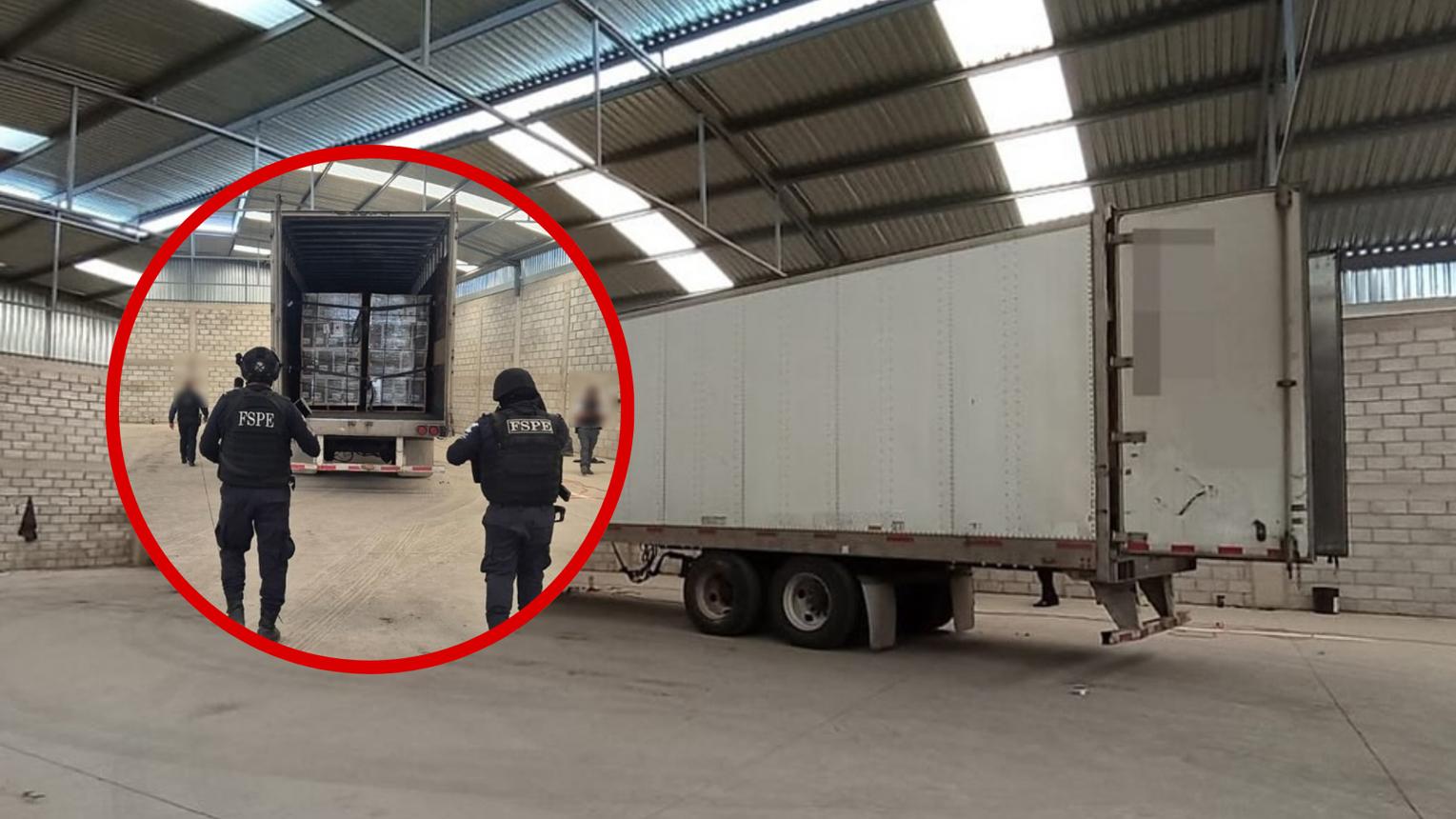
70,000 Pints Stolen: Tracking High-Risk Drinks Cargo
Drinks are a major global cargo-theft target. Discover how independent cargo tracking, smart labels, geofences and layered visibility can reduce risk.
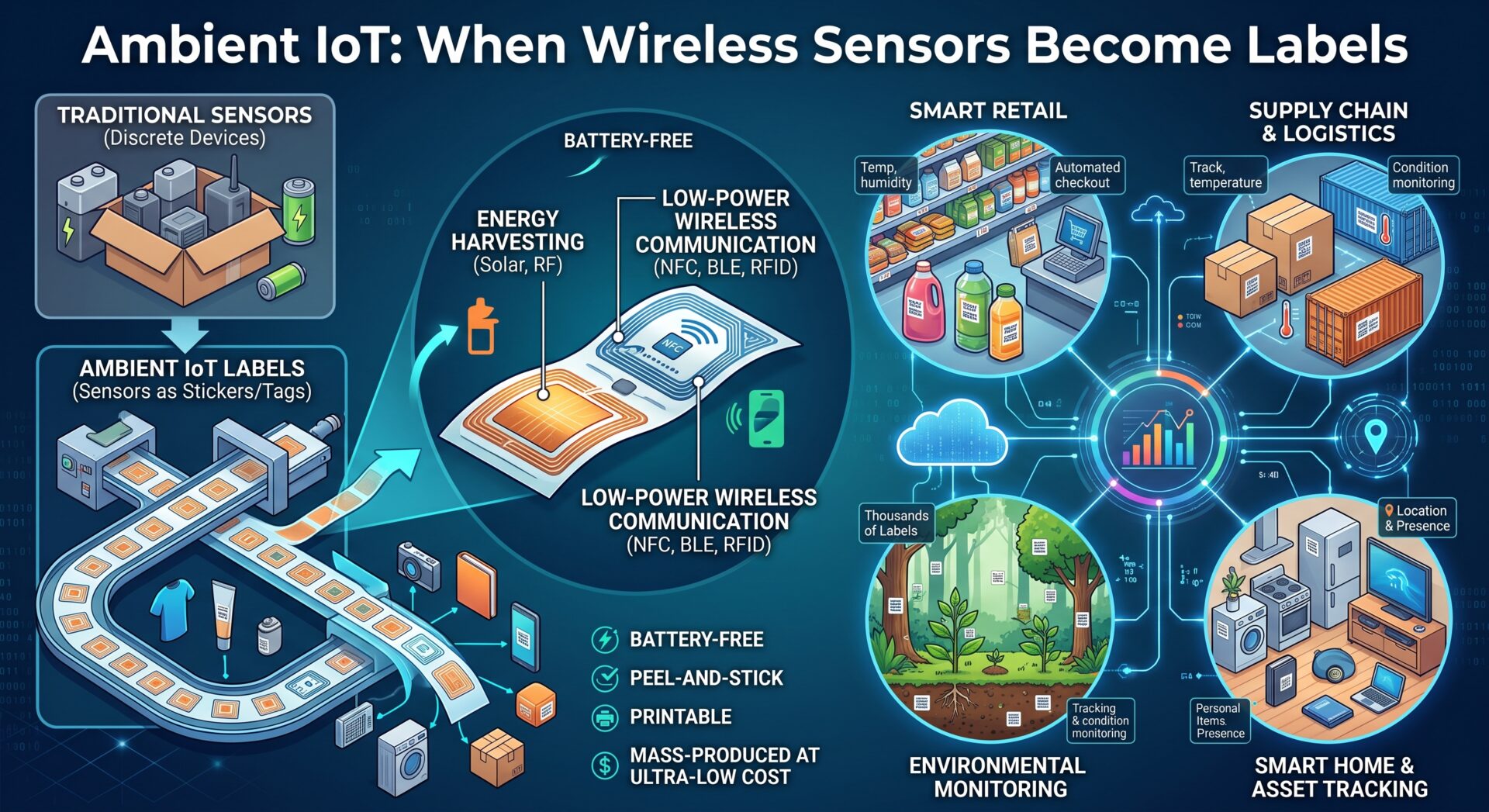
Tracking Tuesday: Ambient IoT: When Wireless Sensors Become Labels
Wiliot and CISC can test battery-free IoT Pixels at high volume. Discover why manufacturing economics may unlock ambient IoT supply chains.

Satellite-Enabled Bluetooth Is Impressive—but Industrial Asset Tracking Needs More Than Connectivity
Hubble Network is extending Bluetooth signals to satellites, but industrial asset tracking requires more than a radio link. Explore the practical advantages of Sensolus for reusable, non-powered assets.