
Food & Beverage Logistics
Tracking and Condition Monitoring for Food & Beverage Shipments
Improve visibility across fresh, chilled, frozen and sensitive food and beverage logistics. Strategic Tracking helps organisations compare location trackers, temperature monitors, data loggers, smart labels and connected platforms for the product, route and operational response required.
- Independent technology selection
- Supplier comparison
- Pilot and integration support
Device capabilities, connectivity, accuracy and suitability vary by product and operating environment.

Illustrative monitoring data
- Shipment in transitReporting according to device settings
- Temperature readingIllustrative only - sensor dependent
- Arrival geofenceEntry to a defined destination
- Review requiredException routed to a named owner
Food Logistics Problems Rarely Begin and End with Temperature
Product condition can be affected by time, temperature, handling, packaging, refrigeration performance and delays at handover points. The useful question is not simply whether data was recorded, but whether the right people can interpret it and act at the right time.
Temperature Excursions
Identify readings outside defined limits and support quality review. Thresholds and permitted exposure should be set by the organisation responsible for the product.
Delays and Dwell
Locate extended stops, missed connections and slow handovers that may increase product risk or reduce remaining shelf life.
Refrigeration and Route Context
Combine shipment, vehicle or reefer information where appropriate to understand what happened and where further investigation is needed.
Handover Visibility
Create clearer operational records around dispatch, hubs, carriers, destination arrival and customer receipt.
Waste and Claims Investigation
Use time, location and sensor records as inputs to investigation, supplier conversations and continuous improvement - subject to data quality and agreed procedures.
Location, Product Condition and Equipment Data Answer Different Questions
Where is the shipment?
GPS/GNSS, cellular, Wi-Fi and BLE-based approaches can provide location or proximity information. Performance depends on the device, environment, network availability and reporting method.
Typical questions
- Has it left?
- Where was it last seen?
- Has it reached the destination?
- Is it dwelling unexpectedly?
What conditions did it experience?
Suitable sensors may record temperature, humidity, shock, tilt or light. Sensor type, placement, sampling interval, accuracy and calibration all affect interpretation.
Typical questions
- Was a threshold exceeded?
- For how long?
- At which stage?
- Does the data require quality review?
How did the transport equipment perform?
Reefer, vehicle, trailer or cold-room systems may provide set point, supply-air, return-air, door or equipment-status data. This is not necessarily the same as product temperature.
Typical questions
- Was refrigeration operating?
- Was a door event recorded?
- Does equipment data explain the shipment reading?
Stronger investigations often combine these data sources rather than relying on a single reading.
Monitoring data supports operational, quality and compliance processes but does not by itself determine product safety, disposition or regulatory compliance. Requirements should be approved by the responsible organisation.
Monitoring Approaches for Different Products and Journeys
Fresh Produce
Monitor time, location and relevant conditions across growers, packing sites, consolidators, distribution centres and customers. Requirements vary significantly by commodity, packaging and journey.
Meat, Poultry and Seafood
Support visibility across chilled or frozen movements, complex handovers and time-sensitive delivery windows using monitoring selected for the product and process.
Frozen Foods
Record shipment conditions and operational events across cold stores, loading, transport and receipt. Sensor placement and response procedures should be defined before deployment.
Dairy and Prepared Foods
Improve visibility for products with controlled handling requirements, short delivery windows or exposure to multiple logistics partners.
Beverages
Track high-value, temperature-sensitive or time-critical beverage movements, including pallets, cases, containers or specialist bulk transport where appropriate.
Ingredients and Ambient-Sensitive Goods
Monitor products affected by excess heat, humidity, delay, shock or other conditions even when they do not move in a conventional refrigerated chain.
The correct technology depends on the product risk, packaging, route, journey duration, decision window and evidence required - not simply whether the shipment is labelled "cold chain."
For a broader comparison of monitors, loggers, indicators and reusable devices across temperature, humidity, shock, tilt, vibration and light, see shipment integrity and condition monitoring. For one-way packages, pallets and freight movements, compare disposable shipment trackers.
Choose the Monitoring Model Before Choosing the Device
| Approach | How data is accessed | Best suited to | Important considerations |
|---|---|---|---|
| Real-time connected monitor | Sends data during the journey when connectivity and device behaviour permit | Shipments where an alert may trigger a meaningful intervention | Coverage gaps, aircraft behaviour, battery life, reporting interval, platform and data charges |
| Destination-read data logger | Stores readings for USB, NFC, Bluetooth or another readout method | Evidence and review at destination when live intervention is unnecessary | Retrieval and readout workflow, software, calibration, report access and responsibility for review |
| Threshold indicator | Shows whether a defined condition or exposure has occurred | Simple acceptance checks and lower-complexity workflows | Often limited context; may not show full time series, location or exact cause |
| Location tracker or smart label | Reports location or proximity events, sometimes with optional sensors | Delay, dwell, route, arrival and handover visibility | "GPS," cellular, Wi-Fi and BLE capabilities vary; condition sensors are not universal |
| Reusable multi-sensor device | Recovered, charged and reprovisioned for repeated use | Closed-loop lanes or higher-value recurring shipments | Return logistics, cleaning, charging, loss, allocation and lifecycle management |
| Reefer or telematics integration | Uses transport-equipment data | Fleets or carriers with suitable connected refrigeration and vehicle systems | Set point and air readings may not represent product temperature; access and integration vary |
"Real-time" should mean that data can be transmitted during the journey under defined conditions. It should not be used to promise uninterrupted communication. Devices may store readings and upload them after coverage returns.
An Alert Has Value Only When a Team Knows What to Do Next
- 01
Define the event
Agree which threshold, delay, arrival, route or device event matters for the product and journey.
- 02
Assign responsibility
Decide who receives the alert, who verifies it and who has authority to contact the carrier, warehouse, customer or quality team.
- 03
Add context
Review timestamp, location, duration, device status, equipment data and shipment information before reaching a conclusion.
- 04
Respond through an approved procedure
Escalate, investigate or intervene according to the organisation's quality and logistics processes.
- 05
Review the outcome
Record whether the alert was valid, actionable and useful, then refine thresholds, placement, reporting and workflows.
Strategic Tracking can help define an evaluation, compare technologies and connect data to existing operational systems. Product disposition and food-safety decisions remain with the responsible qualified organisation.
Information to Prepare Before Comparing Suppliers
Product and journey
- Product category and packaging format
- Chilled, frozen, fresh or ambient operating profile
- Origin, destination, countries and transport modes
- Typical and maximum journey duration
- Expected environments, including cold rooms and enclosed vehicles
- Air-freight or maritime requirements where relevant
Measurement and devices
- Required location and sensor measurements
- Sampling and transmission frequency
- Product-specific thresholds and decision windows
- Single-use or reusable operating model
- Required battery life and activation method
- Accuracy, calibration and documentation requirements
- Sensor placement and number of devices per load
People and data
- Who receives and responds to alerts
- Dashboard, report, API and data-retention requirements
- Annual shipment volume and target pilot size
Strategic Tracking should not choose food-safety limits for the buyer. The customer must supply or approve product-specific requirements through its own quality and compliance processes.
Test the Complete Workflow, Not Just the Hardware
A representative pilot should test activation, placement, connectivity, sensor behaviour, alert delivery, user response, destination handling, reporting and integration. Include ordinary routes and known difficult environments rather than testing only ideal conditions.
Suggested pilot measures
- Successful activation and shipment association
- Data completeness and timestamp consistency
- Location-event usefulness
- Sensor performance in the intended placement
- Alert delivery and false-alert rate
- Battery performance over representative journeys
- User response time and escalation quality
- Destination readout or retrieval success
- Dashboard, report and API usability
- Cost and administration per monitored shipment
Integration questions
- Should data appear in a TMS, WMS, ERP, quality system or control tower?
- Which shipment identifier joins tracker and order data?
- Who can view customer or carrier information?
- How are exceptions assigned and closed?
- What data must be retained or exported?
- How will multiple tracker providers be normalised?
Design Around Real Operating Conditions
Coverage and enclosed environments
GPS/GNSS and cellular performance can be limited inside buildings, refrigerated bodies, metal containers, aircraft holds and other enclosed environments. BLE and Wi-Fi location methods depend on compatible infrastructure or nearby networks. A connected monitor may store readings and transmit them later rather than reporting continuously.
Sensor placement and representativeness
Sensor placement matters. Air temperature, packaging temperature, equipment readings and product temperature are not interchangeable. A reading from one position may not represent every item or location within a pallet, container or trailer.
Data and responsibility
Monitoring data can support food-safety, quality, claims and compliance processes, but the device alone does not establish compliance or determine whether product should be accepted, rejected or released.
Independent Support from Requirement to Deployment
Define the requirement
Translate the product, journey, risk and operational decision into a usable technology brief.
Compare credible options
Assess device types, sensors, connectivity, platforms, suppliers and commercial models without beginning with one preferred manufacturer.
Build a representative pilot
Agree practical success criteria and test the whole process under realistic logistics conditions.
Integrate and improve
Connect tracking data to operational systems and use completed journeys to improve alerts, workflows and supplier decisions.
Explore Related Tracking and Monitoring Solutions
Shipment Integrity & Condition Monitoring
Compare real-time monitors, data loggers, indicators and reusable devices for temperature, humidity, shock, tilt, vibration and light.
Disposable Shipment Trackers
Explore single-use trackers and connected labels for one-way packages, pallets and freight movements.
Cold Chain & Pharmaceutical Logistics
Review the separate industry guidance for medicines, biologics, clinical supplies and pharmaceutical cold-chain movements.
Food & Beverage Tracking FAQs
Does GPS tracking measure food temperature?
What is the difference between a real-time monitor and a data logger?
Can monitoring technology prevent food spoilage?
Where should a temperature sensor be placed?
Will a tracker report continuously inside a refrigerated trailer or container?
Can tracker data prove food-safety compliance?
Can monitoring data integrate with our TMS, WMS or quality system?
Should we use single-use or reusable devices?
Find the Right Tracking Approach for Your Food & Beverage Shipments
Tell us what you ship, where it moves, which conditions matter and how your team needs to respond. Strategic Tracking can help compare suitable technologies and suppliers or structure a representative evaluation before wider deployment.
No single device is suitable for every product, route or operating model.

Tracking Tuesday: When Shipment Visibility Becomes a Cyber Risk
Satellite connectivity extends shipment visibility — and its cyber-risk surface. Seven questions buyers should ask about secure, resilient tracking.
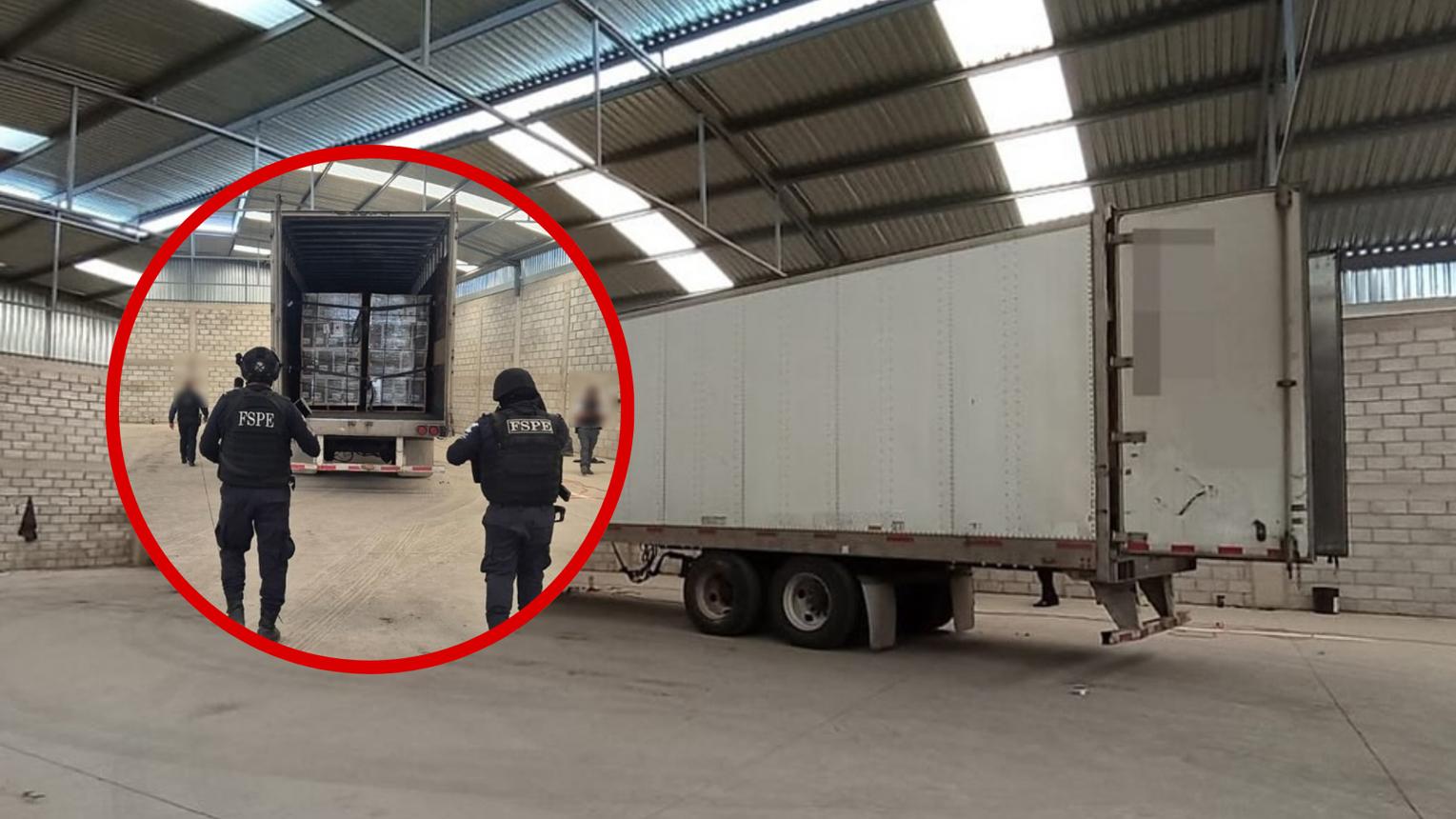
70,000 Pints Stolen: Tracking High-Risk Drinks Cargo
Drinks are a major global cargo-theft target. Discover how independent cargo tracking, smart labels, geofences and layered visibility can reduce risk.
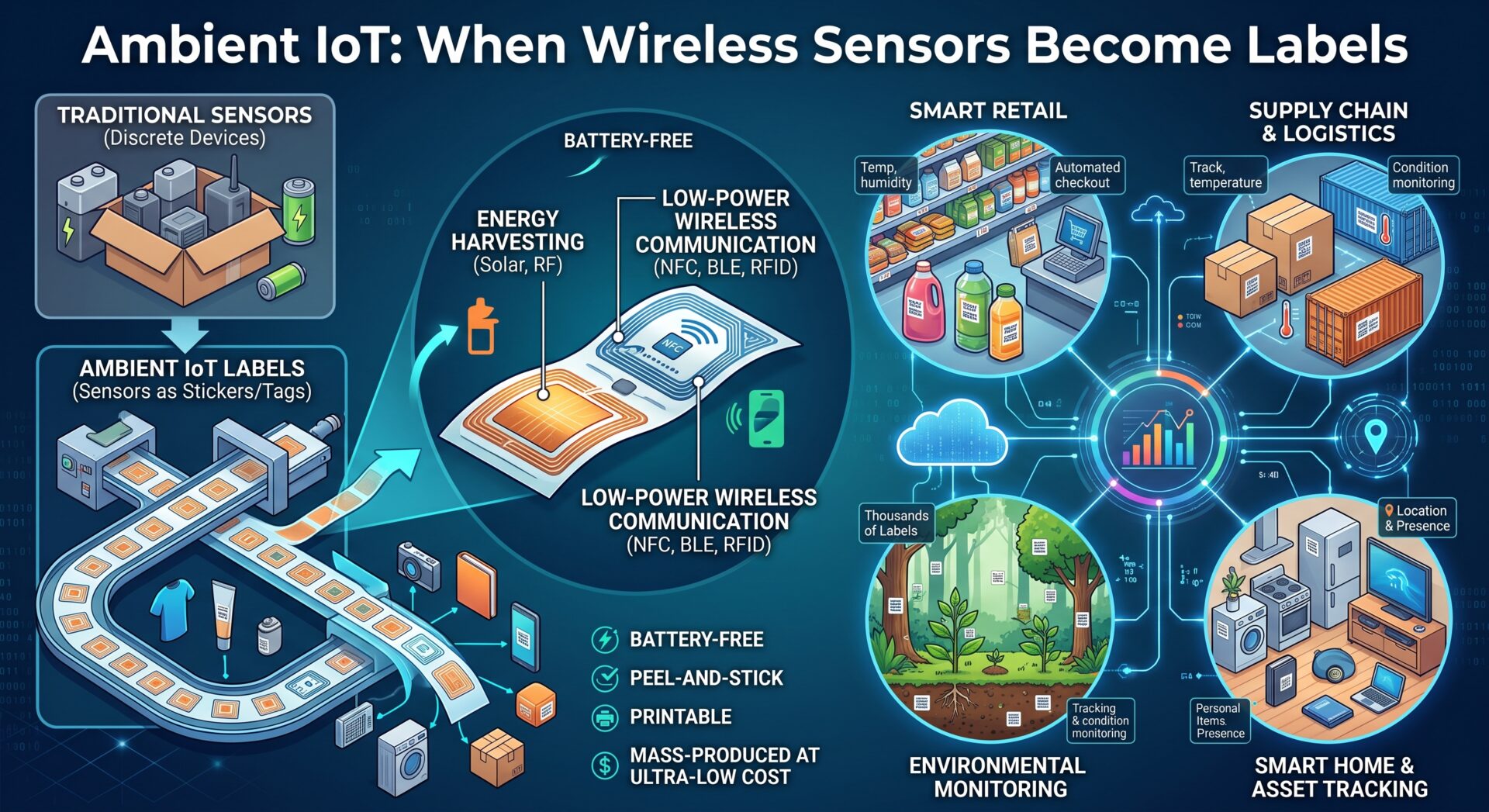
Tracking Tuesday: Ambient IoT: When Wireless Sensors Become Labels
Wiliot and CISC can test battery-free IoT Pixels at high volume. Discover why manufacturing economics may unlock ambient IoT supply chains.
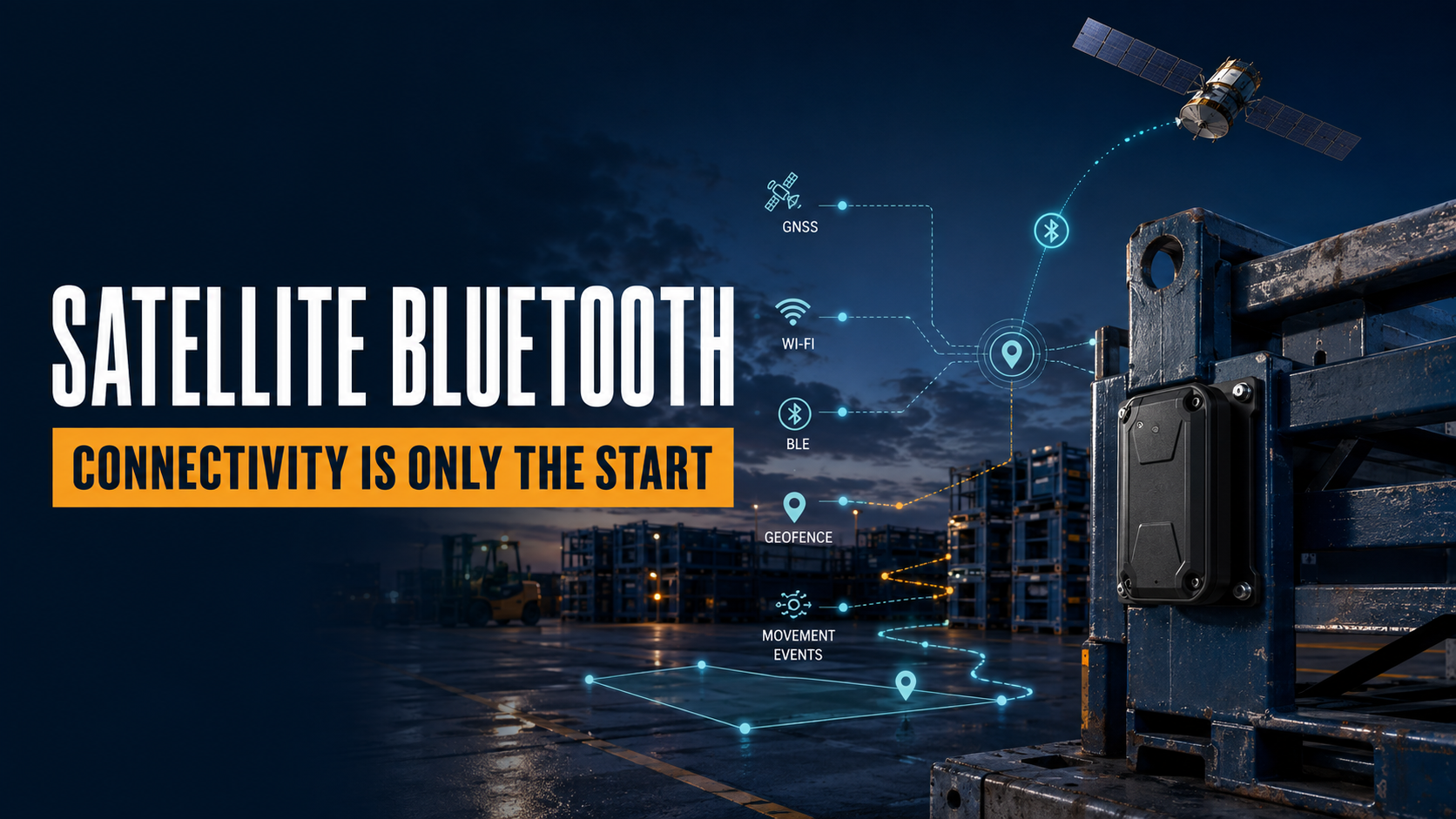
Satellite-Enabled Bluetooth Is Impressive—but Industrial Asset Tracking Needs More Than Connectivity
Hubble Network is extending Bluetooth signals to satellites, but industrial asset tracking requires more than a radio link. Explore the practical advantages of Sensolus for reusable, non-powered assets.