Tracking Tuesday: 9th December 2025

Tracking Tuesday Summary: Key Innovations Welcome to the latest edition of Tracking Tuesday, your essential guide to the cutting edge of supply […]

Tracking Tuesday Summary: Key Innovations Welcome to the latest edition of Tracking Tuesday, your essential guide to the cutting edge of supply […]

1. 🌐 Real-Time Package Monitoring: IoT Sensors and Smart Packaging The boundary between tracking hardware and shipping labels continues to dissolve, driven […]

Introduction In this episode of The Position Update podcast, host Matthew Holland explores the innovative use of tracking technology in the conservation […]
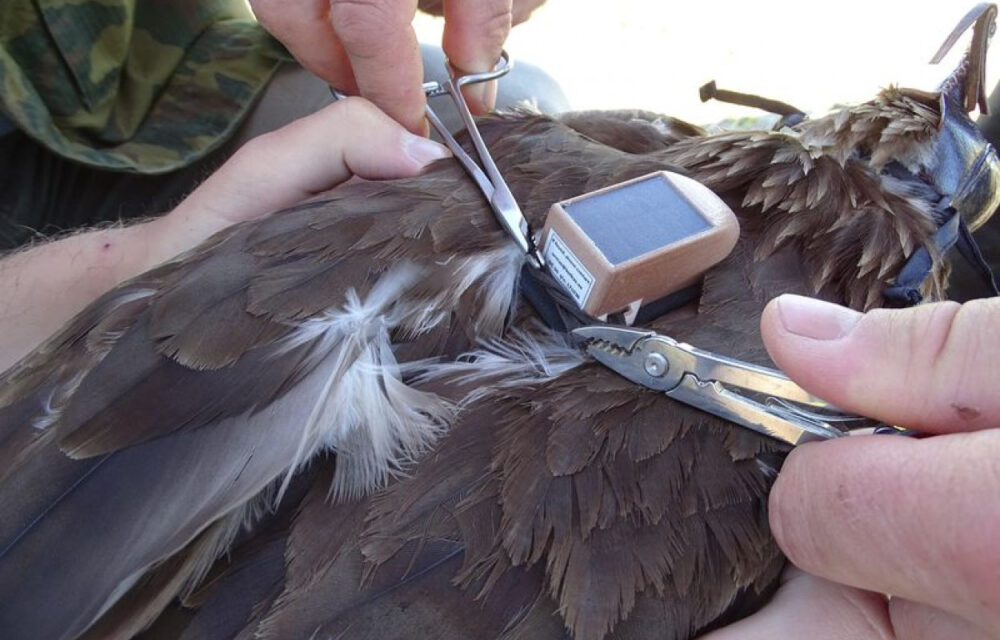
Introduction In this episode, we delve into the remarkable journey of the endangered greater spotted eagles as they migrate through an active […]

Introduction In 2024, the logistics and supply chain industry continues to evolve with new tracking system innovations. In this episode of The […]

I’ve recently written an updated article about this based on the new apple airtags, click here In the last few weeks, I’ve […]

GPS package trackers are devices used to track the location of packages as they are shipped by airlines. Airlines have specific criteria for approving the use of these trackers, which may consider factors such as size and weight, package type, and destination. These criteria are designed to ensure the safety, efficiency, and security of the airline and packages.
Disposable GPS tracking devices are small, lightweight devices that can be attached to a shipment to track its location and movements. These devices typically use a combination of satellite and cellular technology to provide real-time tracking information to a user-friendly online platform or app.

GPS tracking and temperature monitoring in clinical trials and pharmaceutical logistics provide a number of benefits. Firstly, they allow for precise and accurate tracking of samples and materials, ensuring that they remain within the required temperature range and reach their destination on time.

The vaccine could be made in Belgium, and then transported around the globe. If things go well, Pfizer and BioNTech expect to supply 50 million doses by the end of 2020 and approximately 1.3 billion by the end of 2021.
It is likely that high-risk groups and healthcare workers will be first to receive the vaccine, but this adds complexities to distribution logistics. The logistical challenges of storing and distributing globally a new vaccine at such cold temperatures whilst also ensuring physical distancing for distributors and vaccine delivery points are immense