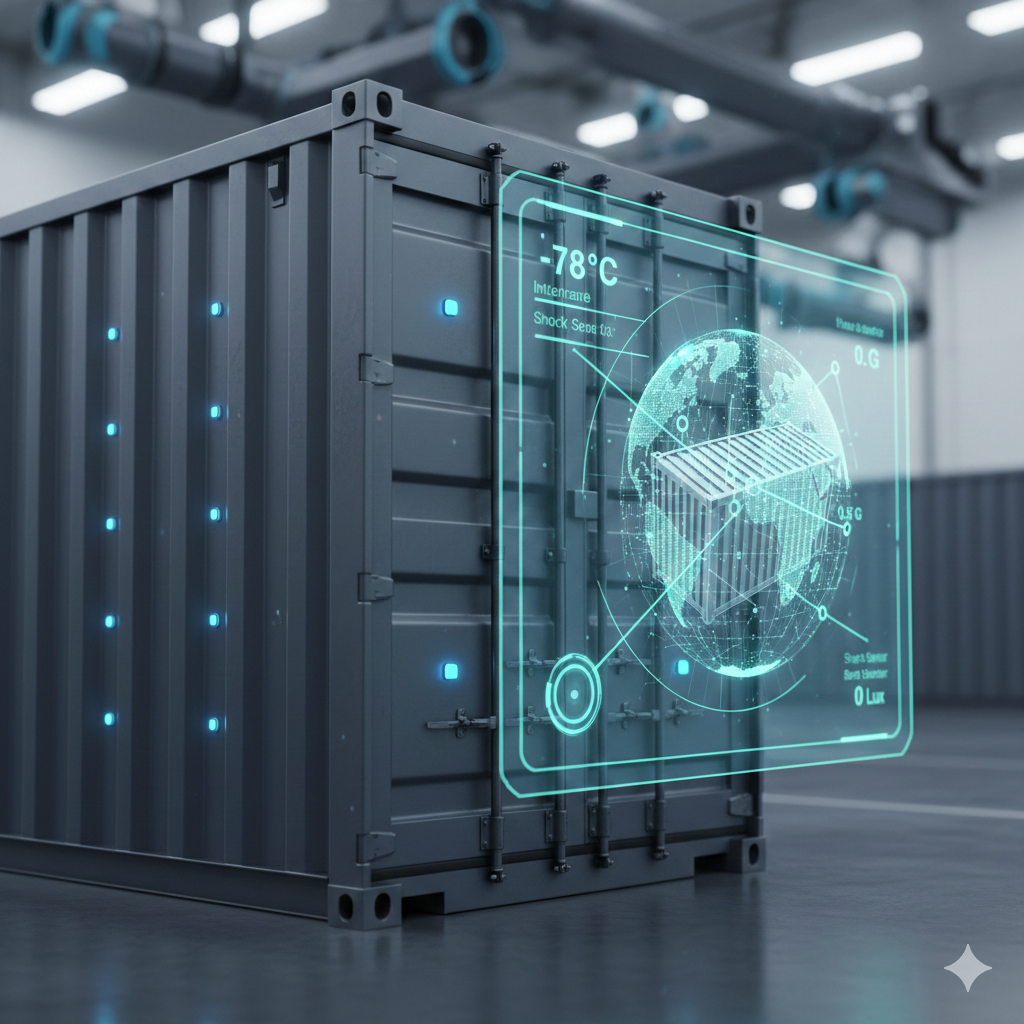
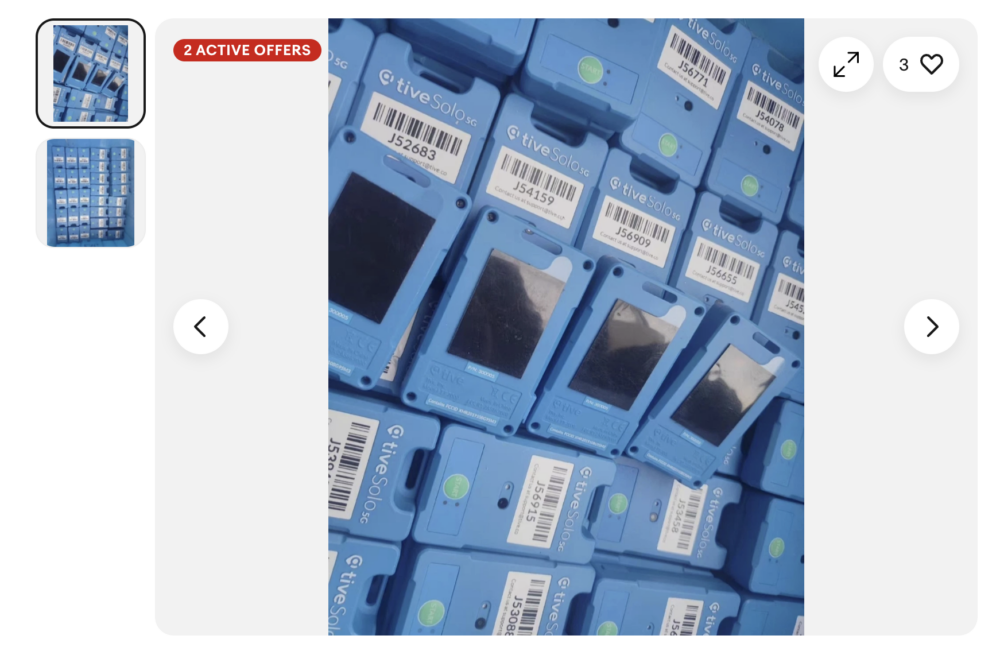
Real-time visibility is an operational standard in supply chain management. For years, the Tive Solo 5G tracker has been a common choice for logistics managers needing to monitor location, temperature, humidity, light, and shock in transit.
However, supply chain requirements have evolved. Escalating hardware costs, the administrative burden of reverse logistics, and strict international air freight compliance rules are driving shippers to look beyond Tive. Organizations are seeking more specialized, cost-effective, and operationally seamless alternatives.
If your organization is looking to diversify or entirely upgrade its tracking ecosystem, here is a guide to why companies are making the switch and the top alternatives leading the market today.
Why Shippers Are Moving Away from Tive Solo 5G
While the Tive Solo 5G remains a capable cellular IoT device, several friction points cause logistics leaders to look elsewhere:
- Reverse Logistics Headaches: For multi-use configurations, setting up infrastructure to collect, recharge, and redistribute trackers from destinations back to origin points introduces an unwanted secondary supply chain to manage.
- Air Freight & Battery Restrictions: Traditional lithium-battery-powered trackers face increasingly rigid international air freight compliance restrictions and hazardous material checks.
- The “Handover” Blind Spot: Standard cellular trackers often struggle when freight moves across a mix of road, rail, and sea, resulting in data gaps during modal handovers.
- Total Cost of Ownership (TCO): Purchasing or leasing standalone box hardware for low-value, high-volume, or short-haul lanes where active 5G streaming is overkill heavily impacts operating margins.
The Top Alternatives to Tive Solo 5G
Depending on whether your primary motive for switching is battery compliance, edge data intelligence, or true multimodal asset management, these three alternatives offer distinct advantages.
1. Sensos Best for Ultra-Thin Smart Labels & Air Cargo Compliance
If your goal is to find a less intrusive, highly scalable alternative to bulkier tracker boxes, Sensos (backed by Sony) shifts the paradigm from “device” to “label.”
- The Model: Ultra-thin, flexible smart labels that adhesive-bond directly to pallets, cartons, or individual totes.
- Why it’s better: By utilizing low-power LTE-M and NB-IoT cellular networks, Sensos tags track location, temperature, and tamper status without the bulk of a traditional tracker. Crucially, next-gen smart labels leverage eco-friendly, non-lithium batteries. This completely bypasses restrictive air freight compliance hurdles and eliminates the need for expensive reverse logistics—you simply treat them as low-profile, single-use shipping labels.
2. SystemLoco: Best for Edge-AI & Flexible Infrastructure
For complex supply chains that require heavy-duty performance, multi-tiered architecture, and ironclad regulatory compliance (such as pharmaceuticals or high-value electronics), System Loco is a powerful upgrade.
- The Model: A modular ecosystem combining LocoTrack hubs (rechargeable or single-use) with low-power LocoTag environmental sensors.
- Why it’s better: System Loco handles mixed-freight complexity beautifully. Instead of putting a massive tracker on every pallet, you put one LocoTrack hub in the container and cheap LocoTags on individual pallets. It features advanced Edge-AI processing, meaning the device analyzes environmental conditions and handling events on-board in real time rather than waiting on cloud updates. With over 70 airline certifications and robust integration with risk platforms like Overhaul, it is purpose-built to eliminate cold-chain blind spots.
3. Sensolus : Best for Non-Powered Assets & True Multimodal Journeys
If your shipments frequently transition between trucks, trains, and ocean vessels, standard trackers often lose signal or drain their batteries attempting to reconnect. Sensolus is built specifically to master the intermodal handover.
- The Model: Industrial-grade, rugged trackers built for non-powered assets like intermodal containers, trailers, and returnable transport packaging.
- Why it’s better: Sensolus solves two major Tive pain points: battery life and mode switching. Their hardware features an astonishing 10-to-12-year battery life, removing the reverse logistics rush. More importantly, Sensolus hardware features automatic transport mode detection. The tracker itself intelligently recognizes whether it is on a truck, a train, or a ship and automatically adjusts its reporting frequency and positioning methods (GPS, Wi-Fi, BLE) to save power and eliminate data gaps across a single unified dashboard.
At a Glance: How the Alternatives Compare

Moving Toward a Hybrid Visibility Strategy
Switching away from Tive doesn’t require an all-or-nothing corporate migration to a single vendor. Modern supply chain leaders are adopting a diversified hardware approach.
By coupling an over-the-top (OTT) software platform (like project44, FourKites, or Overhaul) with targeted hardware, you can use ultra-thin Sensos labels for high-volume air cargo, deploy System Loco for highly regulated pharmaceutical cold chains, and lock Sensolus trackers onto your intermodal assets for decade-long asset management. Matching the tracking hardware to the specific logistical environment reduces overhead, ensures compliance, and eliminates blind spots from origin to destination.